Protect Your Home and Wallet: Unplug These 5 Appliances When You’re Done Using Them
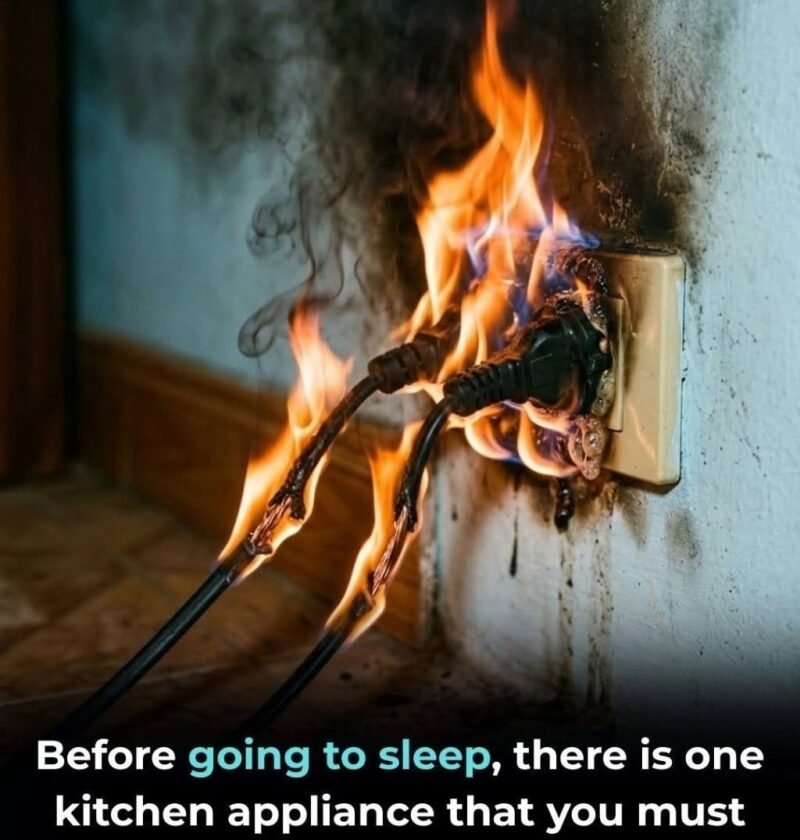
Not every appliance needs to be unplugged after every use. Modern appliances are generally designed to remain connected safely. But some devices can draw standby power, generate heat, or pose additional risks when they’re damaged or poorly maintained.
Here are five worth paying attention to:
1. ☕ Coffee makers
Many coffee makers continue consuming electricity while plugged in, particularly models with clocks, displays, or warming plates.
Smart habit: Once the coffee is made and the warming function is no longer needed, switch it off and unplug it if the manufacturer recommends doing so.
2. 🍞 Toasters
Toasters generate significant heat during operation, and crumbs can accumulate inside them.
Smart habit: Unplug the toaster after use and allow it to cool. Clean out crumbs regularly according to the manufacturer’s instructions.
3. 🍳 Countertop cooking appliances
Air fryers, slow cookers, electric grills, and similar appliances can consume standby electricity when plugged in, depending on their design.
Smart habit: Once cooking is finished, turn the appliance off and disconnect it when practical.
4. 🔥 Space heaters
Space heaters deserve particular attention because they produce substantial heat. Leaving one operating unattended can create a serious fire hazard.
Smart habit: Turn it off whenever you leave the room or go to sleep, and follow the manufacturer’s clearance and electrical requirements.
5. 🔌 Chargers and power adapters
A phone charger doesn’t suddenly become a major electricity drain when your phone is disconnected, but it can still consume a small amount of standby power. More importantly, damaged, counterfeit, or poorly made chargers can present electrical and fire risks.
Smart habit: Use reputable chargers, replace damaged ones, and unplug them when they’re not needed.
The bigger money-saving tip
Don’t obsess over unplugging every appliance in your home. The standby consumption of many modern devices is quite small. Instead, focus on older electronics, devices that produce heat, equipment you rarely use, and anything with visible damage.
And if you’re leaving home for an extended period, switching off or unplugging appropriate nonessential appliances can be a sensible precaution.