“Be Your Own Dentist!” — What You Can Safely Do About Tartar
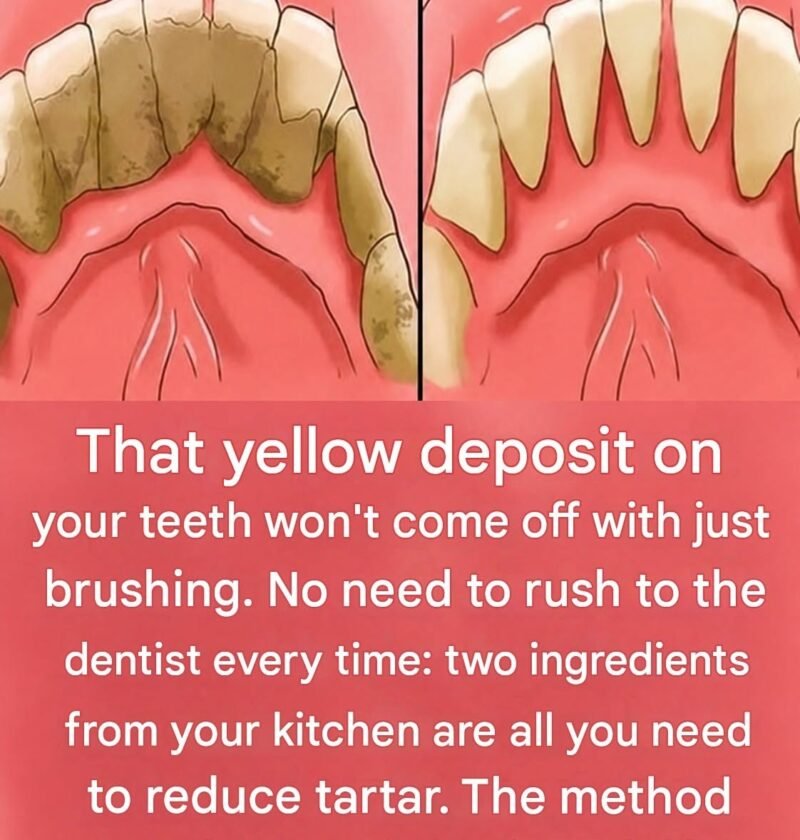
Be careful with the idea of removing tartar yourself. Plaque can be removed at home, but once plaque hardens into tartar (calculus), brushing and ordinary flossing generally can’t remove it safely.
What you can do at home
-
Brush twice a day for about two minutes with a fluoride toothpaste.
-
Clean between your teeth daily with floss or an interdental brush.
-
Use an antibacterial mouthwash if your dentist recommends one.
-
Drink water regularly, particularly after meals and sugary or acidic drinks.
-
Limit frequent sugary snacks and drinks, which encourage plaque formation.
-
Don’t smoke or use tobacco, which increases gum-disease risk.
Don’t scrape tartar yourself
Avoid using nail tools, needles, razor blades, metal picks, or homemade acids such as vinegar or lemon juice. You can cut your gums, damage enamel, or push bacteria deeper around the teeth.
A dental professional can remove established tartar with appropriate instruments and check whether you have gingivitis or periodontitis.
When to see a dentist
Arrange an examination if you have hard yellow/brown deposits, bleeding or swollen gums, persistent bad breath, gum recession, loose teeth, or tooth sensitivity.
Bottom line: You can prevent and control plaque at home, but established tartar is best removed professionally. Good daily oral hygiene helps prevent it from building up again.