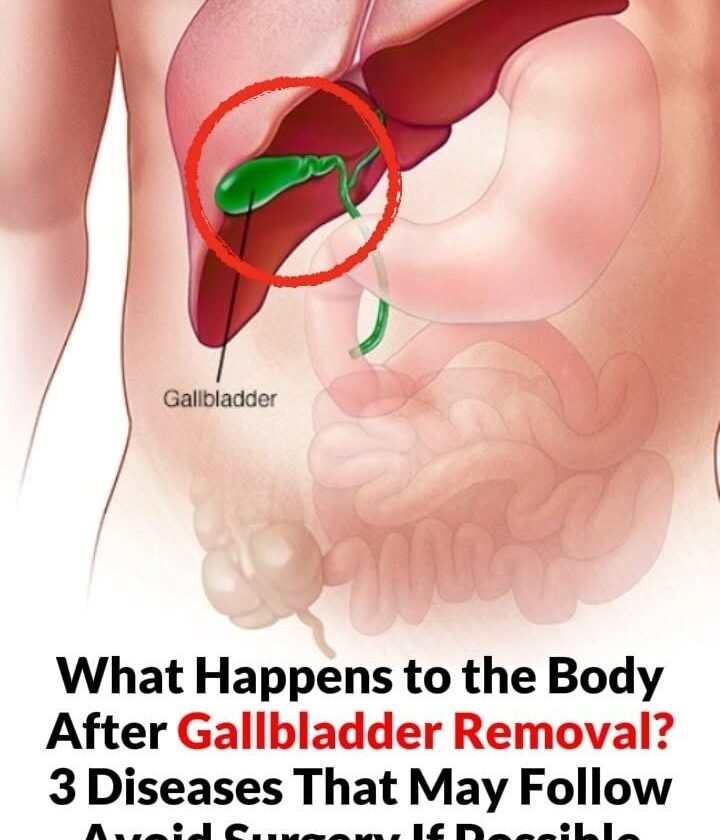
That headline is misleading. Gallbladder removal (cholecystectomy) is not a procedure people should generally “avoid when possible.” Whether surgery is appropriate depends on why the gallbladder is being removed. People with symptom-free gallstones often don’t need treatment, whereas recurrent symptomatic gallstones, acute cholecystitis, and certain complications are common reasons doctors recommend surgery. NIDDK+1
3 possible problems after gallbladder removal
-
Diarrhea or more frequent, softer stools — A small number of people experience changes in bowel habits because bile flows into the intestine more continuously after surgery. These changes are often temporary. NIDDK
-
Persistent abdominal or digestive symptoms — Some people continue to experience abdominal pain, indigestion, nausea, or other symptoms after surgery. Importantly, this doesn’t necessarily mean the operation caused the problem; the original symptoms may have had another cause. NIDDK
-
Surgical complications — Complications are uncommon but can include bile-duct injury, infection, bleeding, or problems related to anesthesia. Bile-duct injury can occasionally require additional treatment or surgery. NIDDK+1
Should you avoid gallbladder surgery?
Not simply because you’re worried about these potential effects. The gallbladder isn’t essential for normal life, and most people can live normally without it. NIDDK
If gallstones are not causing symptoms, observation is often appropriate. But if gallstones are causing repeated attacks or complications, avoiding recommended treatment can itself carry risks—including gallbladder inflammation, bile-duct infection or obstruction, and gallstone pancreatitis. NIDDK+1
A more accurate headline would be:
“After Gallbladder Removal: 3 Possible Side Effects—and When Surgery Is Actually Necessary”