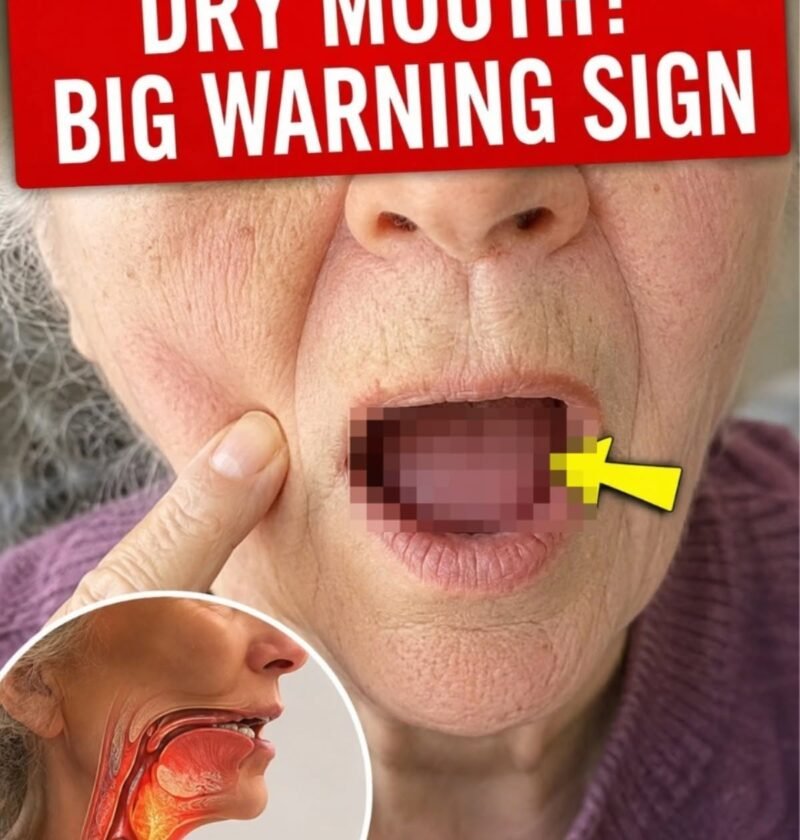
If you’re asking for the medical details behind this headline, waking with a dry mouth is common and doesn’t necessarily mean something is seriously wrong. But persistent or severe morning dry mouth can sometimes point to an underlying issue.
What persistent morning dry mouth can signal
-
Mouth breathing — A blocked nose, allergies, or sleeping with your mouth open can dry the mouth overnight.
-
Dehydration — Not drinking enough fluids, heavy sweating, or excessive alcohol can contribute.
-
Medications — Many medicines can reduce saliva production, including some antihistamines, antidepressants, blood-pressure medicines, and diuretics.
-
Sleep apnea — Snoring and breathing through the mouth during sleep can leave the mouth extremely dry. Loud snoring, witnessed breathing pauses, and significant daytime sleepiness are reasons to seek evaluation.
-
High blood sugar/diabetes — Persistently elevated blood glucose can contribute to increased thirst, urination, and dry mouth.
-
Smoking or tobacco use — Tobacco can worsen oral dryness and irritation.
-
Salivary-gland problems — Conditions affecting the glands that produce saliva can cause persistent dryness.
-
Certain autoimmune conditions — Some disorders can reduce saliva production and cause chronic dry mouth.
Don’t ignore these accompanying symptoms
See a healthcare professional or dentist if dry mouth persists, particularly if you also have excessive thirst, frequent urination, difficulty swallowing, mouth sores, persistent bad breath, tooth decay, or unexplained weight changes.
A more accurate headline would be:
“Dry Mouth Every Morning? 8 Common Causes You Should Know About”
And rather than automatically taking a supplement or “detox,” it’s better to identify the underlying cause—especially if the problem is persistent.