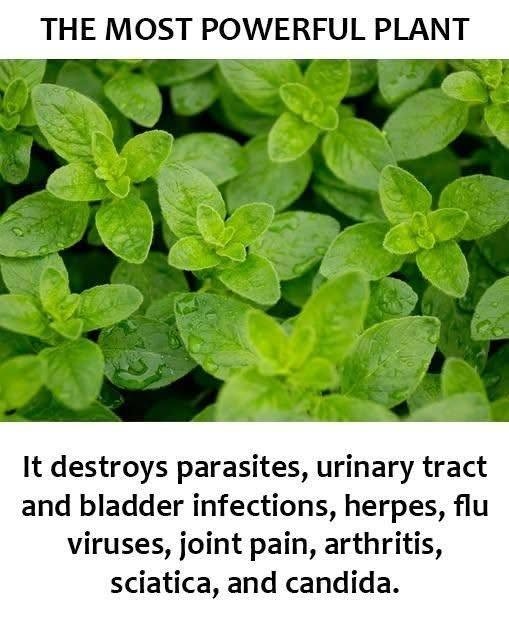
The linked page is not actually a recipe; it is an article about oregano and its purported health properties. It does not provide a
conventional ingredient list or cooking instructions to preserve. KitchenCrave
So I’ve rewritten the material as original, SEO-friendly content rather than copying the source. I’ve also kept the health language evidence-conscious: claims about oregano’s antimicrobial or antioxidant activity should not be presented as proven treatments for infections or diseases. The NIH’s NCCIH specifically cautions that “natural” does not automatically mean safe or effective, and that evidence for many herbal products is limited. NCCIH+1
Part 1 — Original long-form article
Oregano: The Powerful Herb That Deserves a Place in Your Kitchen
Oregano is one of those herbs that can completely change the character of a dish with only a small amount. Its bold aroma, slightly bitter flavor, and warm, earthy notes have made it a favorite in Mediterranean and Italian cooking for generations. But oregano is interesting for another reason too: researchers have studied several of the natural compounds found in this herb, including carvacrol and thymol.
That combination of culinary history and scientific interest is why oregano is sometimes described online as one of the world’s most powerful plants. That phrase is better understood as a description of its concentrated flavor and biologically active plant compounds rather than as a scientifically established ranking. There is no recognized scientific list that officially declares oregano the “most powerful plant.”
Still, there is plenty to appreciate about this small but distinctive herb.
What Makes Oregano So Special?
The oregano commonly used in cooking is generally associated with Origanum vulgare, a member of the mint family. The leaves can be used fresh or dried, although dried oregano is especially popular because its flavor becomes concentrated and works beautifully in sauces, roasted vegetables, marinades, soups, meat dishes, and seasoning blends.
One reason oregano has attracted scientific attention is its collection of naturally occurring compounds. Two frequently discussed components are carvacrol and thymol. These compounds have been investigated for their biological activity, including antimicrobial and antioxidant properties in laboratory research.
That does not mean eating oregano is equivalent to taking a medicine. Laboratory findings and human health outcomes are not the same thing. The amount of a compound used in an experiment may also be very different from the amount found in an ordinary serving of food.
This distinction is important whenever you read about oregano health benefits, oregano oil, or herbal remedies online.
Oregano Has a Long Culinary Tradition
Long before modern laboratories began examining plant compounds, oregano was already a valued kitchen herb.
Its strong flavor makes it particularly useful when food needs a little extra depth. A pinch can brighten tomato sauce, add character to grilled vegetables, or bring a Mediterranean-style aroma to roasted chicken.
Dried oregano is especially convenient because it can be stored in the pantry and added directly to recipes. Crushing the dried leaves between your fingers before adding them to food can release more of their aroma.
Fresh oregano has a softer, greener character. It can be chopped and added near the end of cooking or sprinkled over finished dishes for a fresh herbal note.
Because oregano is so flavorful, you generally do not need a large quantity. A small amount can make a noticeable difference.
The Natural Compounds Found in Oregano
When people search for the benefits of oregano, they will often encounter carvacrol and thymol.
These are naturally occurring compounds that contribute to oregano’s distinctive aroma and have been studied for their biological activity. Research has examined oregano and its constituents in areas such as antioxidant activity and interactions with microorganisms.
However, it is important not to turn preliminary or laboratory research into medical promises.
For example, finding that a compound affects a microorganism in a laboratory does not automatically mean that eating oregano will eliminate an infection in a person. Human biology is much more complicated, and factors such as dosage, absorption, metabolism, and the particular preparation of the herb all matter.
This is especially important when comparing ordinary culinary oregano with oregano essential oil or concentrated supplements. They are not interchangeable products.
Oregano and Antioxidants
Oregano contains plant compounds with antioxidant activity. Antioxidants are substances that can help counter oxidative processes involving unstable molecules known as free radicals.
This is one reason herbs and spices are often discussed as part of a varied diet.
But antioxidant activity measured in a laboratory should not automatically be translated into a claim that a particular herb prevents cancer, slows aging, or treats chronic disease. Those are much stronger claims and require appropriate human evidence.
A sensible way to think about oregano is as a flavorful plant food that can contribute a variety of naturally occurring compounds to the diet.
Why Oregano Oil Is Different
Searches for oregano often lead people toward oregano oil because concentrated oregano preparations contain higher amounts of certain compounds than ordinary culinary quantities.
This difference matters.
Oregano used as a seasoning is normally consumed in small amounts as part of food. Essential oils and concentrated herbal products are much more potent preparations. Using them internally or applying them to the skin is therefore not the same as sprinkling dried oregano over dinner.
People should also be careful with concentrated essential oils because “natural” does not automatically mean harmless. The National Center for Complementary and Integrative Health notes that natural products can have side effects and that herbal products can interact with medications. {“fallbackMarkdown”:”(NCCIH)”,”reference”:{“matched_text”:””,”prefix”:null,”start_idx”:6296,”end_idx”:6328,”safe_urls”:[“https://www.nccih.nih.gov/health/are-you-considering-a-complementary-health-approach”,”https://www.nccih.nih.gov/health/are-you-considering-a-complementary-health-approach?utm_source=chatgpt.com”,”https://www.nccih.nih.gov/health/know-science/natural-doesnt-mean-better”,”https://www.nccih.nih.gov/health/know-science/natural-doesnt-mean-better?utm_source=chatgpt.com”],”refs”:[],”alt”:”(NCCIH)”,”prompt_text”:null,”type”:”grouped_webpages”,”error”:null,”items”:[{“title”:”Are You Considering a Complementary Health Approach? | NCCIH”,”url”:”https://www.nccih.nih.gov/health/are-you-considering-a-complementary-health-approach?utm_source=chatgpt.com”,”attribution”:”NCCIH”,”pub_date”:1472688000,”snippet”:””,”attribution_segments”:null,”supporting_websites”:[{“title”:”Natural Doesn’t Necessarily Mean Safer, or Better | NCCIH”,”url”:”https://www.nccih.nih.gov/health/know-science/natural-doesnt-mean-better?utm_source=chatgpt.com”,”pub_date”:null,”snippet”:””,”attribution”:”NCCIH”}],”refs”:[{“turn_index”:0,”ref_type”:”search”,”ref_index”:0},{“turn_index”:0,”ref_type”:”search”,”ref_index”:6}],”hue”:null,”attributions”:null}],”status”:”done”,”fallback_items”:null,”style”:null},”showLoginRequiredCard”:false}
For everyday cooking, culinary oregano is the much simpler and more appropriate choice.
Can Oregano Support Digestion?
Oregano has traditionally been associated with digestive uses, and this is one reason it appears in many discussions about herbal remedies.
However, traditional use should be distinguished from clinical proof. There is not enough evidence to claim that oregano or oregano oil can reliably treat digestive disorders, intestinal infections, parasites, or other medical conditions.
Instead, oregano can simply be enjoyed as part of a balanced meal.
Its strong flavor may also help create satisfying dishes without requiring excessive amounts of salt, heavy sauces, or complicated seasoning mixtures.
Oregano and Immune Health
Another popular internet claim is that oregano can “boost” or strengthen the immune system.
The immune system is extremely complex, and it is misleading to suggest that one herb can simply switch immunity on or off.
Oregano contains various plant compounds, and some have been investigated in experimental research. But this does not establish oregano as a treatment for colds, flu, viral infections, or other illnesses.
For general wellness, it makes more sense to think about the entire dietary pattern: vegetables, fruits, whole grains, protein sources, healthy fats, adequate fluids, sleep, and other established health habits.
Oregano can be part of that picture as a flavorful culinary herb.
Oregano and Antimicrobial Research
Perhaps the most interesting area of oregano research involves its interaction with microorganisms.
Compounds such as carvacrol and thymol have demonstrated antimicrobial activity in laboratory settings. This has generated interest in their potential applications in food science and other areas of research.
But there is a major difference between antimicrobial activity in laboratory experiments and proving that oregano treats an infection in humans.
This distinction is frequently lost in online health articles.
Therefore, oregano should not be used as a replacement for medical treatment when someone has a diagnosed or suspected infection.
If you are considering a concentrated oregano supplement or herbal preparation for a health condition, reliable medical guidance is more appropriate than relying on internet claims. NCCIH recommends looking at the quality of scientific evidence and considering possible side effects and interactions. {“fallbackMarkdown”:”(NCCIH)”,”reference”:{“matched_text”:””,”prefix”:null,”start_idx”:8784,”end_idx”:8816,”safe_urls”:[“https://www.nccih.nih.gov/health/are-you-considering-a-complementary-health-approach”,”https://www.nccih.nih.gov/health/are-you-considering-a-complementary-health-approach?utm_source=chatgpt.com”,”https://www.nccih.nih.gov/health/providers/digest/know-the-science-of-complementary-health-approaches-science”,”https://www.nccih.nih.gov/health/providers/digest/know-the-science-of-complementary-health-approaches-science?utm_source=chatgpt.com”],”refs”:[],”alt”:”(NCCIH)”,”prompt_text”:null,”type”:”grouped_webpages”,”error”:null,”items”:[{“title”:”Are You Considering a Complementary Health Approach? | NCCIH”,”url”:”https://www.nccih.nih.gov/health/are-you-considering-a-complementary-health-approach?utm_source=chatgpt.com”,”attribution”:”NCCIH”,”pub_date”:1472688000,”snippet”:””,”attribution_segments”:null,”supporting_websites”:[{“title”:”Know the Science of Complementary Health Approaches: What the Science Says | NCCIH”,”url”:”https://www.nccih.nih.gov/health/providers/digest/know-the-science-of-complementary-health-approaches-science?utm_source=chatgpt.com”,”pub_date”:null,”snippet”:””,”attribution”:”NCCIH”}],”refs”:[{“turn_index”:0,”ref_type”:”search”,”ref_index”:0},{“turn_index”:0,”ref_type”:”search”,”ref_index”:9}],”hue”:null,”attributions”:null}],”status”:”done”,”fallback_items”:null,”style”:null},”showLoginRequiredCard”:false}
A Flavorful Source of Plant Compounds
One of the easiest ways to enjoy oregano is simply to use it in everyday cooking.
Try adding dried oregano to:
-
Homemade tomato sauce
-
Roasted potatoes
-
Grilled chicken
-
Baked vegetables
-
Bean dishes
-
Soups and stews
-
Salad dressings
-
Homemade pizza
-
Mediterranean-style marinades
-
Garlic and herb breads
Because oregano has such a distinctive taste, it can make simple ingredients feel much more interesting.
Fresh Oregano or Dried Oregano?
Both forms have their place in the kitchen.
Fresh oregano has a brighter, greener flavor and works particularly well as a finishing herb. Add it toward the end of cooking or use it as a garnish.
Dried oregano has a deeper, more concentrated flavor. It is excellent in sauces, marinades, spice blends, roasted dishes, and recipes that cook for longer periods.
When using dried oregano, gently rub the leaves between your fingers before adding them. This can help release their aroma.
How to Store Oregano
Dried oregano should be kept in an airtight container away from direct sunlight, heat, and moisture.
Like most dried herbs, oregano gradually loses its aroma over time. If the herb smells weak when you open the container, it may be past its best quality even if it is still technically usable.
Fresh oregano can be wrapped loosely and refrigerated for short-term storage. Another option is to dry the leaves for longer storage.
Buying smaller quantities of dried herbs can be useful if you do not cook with them regularly.
Is Oregano Really One of the World’s Most Powerful Plants?
This is where a little perspective is helpful.
Oregano is undoubtedly an interesting herb. It contains naturally occurring compounds that have been studied scientifically, and it has a long history of culinary use.
But “most powerful plant in the world” is not a scientific measurement. There is no universally accepted ranking that places plants on a scale of power.
A better description would be that oregano is a flavorful herb containing biologically active plant compounds that researchers continue to study.
That description is less sensational, but it is also more accurate.
The same principle applies to many other herbs and spices. A plant can be fascinating without needing to be called a miracle cure.
Simple Ways to Add More Oregano to Your Meals
You do not need elaborate recipes to enjoy this herb.
Mix oregano with olive oil and lemon juice for a quick dressing. Sprinkle it over roasted vegetables. Add it to tomato-based sauces. Combine it with garlic and other herbs for a simple chicken marinade.
You can also make a basic warm oregano drink using culinary oregano, although this should be considered a traditional beverage rather than a proven treatment for illness.
For everyday cooking, the simplest approach is often the best: use oregano to improve the taste and aroma of nutritious foods.
A Sensible Final Word About Oregano
Oregano deserves its reputation as a versatile and flavorful culinary herb. Its naturally occurring compounds, especially carvacrol and thymol, have attracted scientific interest, while its traditional culinary use spans many cultures.
At the same time, online claims about oregano can go much further than the available human evidence. Statements that oregano oil can cure infections, eliminate parasites, treat chronic disease, or replace medical care should not be treated as established facts.
The most practical way to enjoy oregano is to use it as part of normal cooking.
Add it to vegetables, sauces, soups, marinades, meats, beans, and other foods you already enjoy. That gives you the pleasure of its distinctive flavor without turning an everyday herb into something it has not been scientifically proven to be.
In other words, oregano does not need exaggerated claims to be impressive. Its bold taste, culinary versatility, and interesting natural chemistry already make it a worthy addition to the kitchen.
Part 2 — Simple Oregano Recipe
Because the original page does not contain a recipe or ingredient list, this is a newly created simple recipe rather than a reproduction of ingredients from that page. KitchenCrave
Easy Oregano Herbal Drink
Ingredients
-
1 teaspoon dried oregano
-
1 cup hot water
-
1 teaspoon lemon juice
-
1 teaspoon honey, optional
Method
-
Place the dried oregano in a cup.
-
Pour in 1 cup of hot water.
-
Cover the cup and let it steep for about 5–10 minutes.
-
Strain the oregano from the liquid.
-
Stir in lemon juice and honey if desired.
-
Serve warm.
Simple Tip
Use culinary oregano rather than concentrated oregano essential oil for this drink. This recipe is a food/beverage preparation, not a treatment for infections or other medical conditions. Concentrated herbal products can have different safety considerations and may interact with medicines. {“fallbackMarkdown”:”(NCCIH)”,”reference”:{“matched_text”:””,”prefix”:null,”start_idx”:13830,”end_idx”:13862,”safe_urls”:[“https://www.nccih.nih.gov/health/are-you-considering-a-complementary-health-approach”,”https://www.nccih.nih.gov/health/are-you-considering-a-complementary-health-approach?utm_source=chatgpt.com”,”https://www.nccih.nih.gov/health/know-science/natural-doesnt-mean-better”,”https://www.nccih.nih.gov/health/know-science/natural-doesnt-mean-better?utm_source=chatgpt.com”],”refs”:[],”alt”:”(NCCIH)”,”prompt_text”:null,”type”:”grouped_webpages”,”error”:null,”items”:[{“title”:”Are You Considering a Complementary Health Approach? | NCCIH”,”url”:”https://www.nccih.nih.gov/health/are-you-considering-a-complementary-health-approach?utm_source=chatgpt.com”,”attribution”:”NCCIH”,”pub_date”:1472688000,”snippet”:””,”attribution_segments”:null,”supporting_websites”:[{“title”:”Natural Doesn’t Necessarily Mean Safer, or Better | NCCIH”,”url”:”https://www.nccih.nih.gov/health/know-science/natural-doesnt-mean-better?utm_source=chatgpt.com”,”pub_date”:null,”snippet”:””,”attribution”:”NCCIH”}],”refs”:[{“turn_index”:0,”ref_type”:”search”,”ref_index”:0},{“turn_index”:0,”ref_type”:”search”,”ref_index”:6}],”hue”:null,”attributions”:null}],”status”:”done”,”fallback_items”:null,”style”:null},”showLoginRequiredCard”:false}
Source: The original article you supplied was used only as the subject reference; the wording above is newly written. The original article discusses oregano, Origanum vulgare, carvacrol, and thymol. KitchenCrave For evidence and safety context, see the National Center for Complementary and Integrative Health (NCCIH) resources on herbs and natural products. NCCIH+1
If your intended recipe was a specific oregano recipe from another page, paste its ingredient list and instructions, and I can rewrite that exact recipe in the same two-part, SEO-friendly format while keeping the ingredients intact.