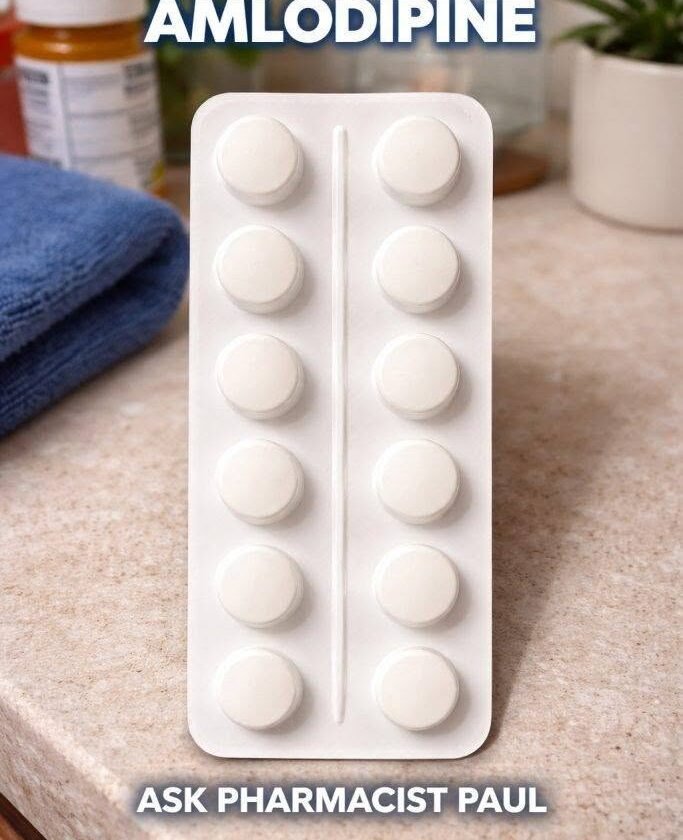
8 Habits to Avoid or Review When Taking Amlodipine
Amlodipine is commonly used to treat high blood pressure and some types of angina. Most people can take it safely, but certain habits can increase side effects or interfere with treatment.
-
Skipping doses 💊
Amlodipine works best when taken consistently. Don’t double up after a missed dose unless your prescriber specifically tells you to. -
Stopping it on your own
Feeling better doesn’t necessarily mean your blood pressure is normal. Don’t discontinue or change the dose without medical guidance. -
Drinking excessive alcohol 🍷
Alcohol can increase the blood-pressure-lowering effect and may make dizziness or lightheadedness worse. -
Ignoring persistent ankle swelling
Swollen ankles or feet are a relatively common side effect. If swelling is troublesome or worsening, tell your doctor rather than stopping the medicine yourself. -
Standing up suddenly when you feel dizzy
If amlodipine makes you lightheaded, rise slowly from a chair or bed and sit down if you feel faint. -
Starting supplements or herbal products without checking 🌿
Supplements aren’t automatically harmless. Tell your doctor or pharmacist about anything you’re taking, including herbal preparations. -
Assuming every new symptom is unrelated to the medicine
Headache, flushing, dizziness, fatigue, nausea, and palpitations can occur with amlodipine. Persistent or troublesome symptoms should be discussed with a healthcare professional. -
Neglecting blood-pressure monitoring and lifestyle measures
Amlodipine is only one part of cardiovascular risk management. A heart-healthy diet, regular physical activity, appropriate weight management, and avoiding tobacco can also help.
One important clarification
You may see online warnings telling everyone taking amlodipine to completely avoid grapefruit. Unlike some other calcium-channel blockers, grapefruit is not generally considered a clinically important interaction with amlodipine, although individual medication combinations can differ. Check with your pharmacist if you’re taking several medicines.
Seek urgent medical attention for fainting, severe difficulty breathing, facial/throat swelling, or severe or worsening chest pain.