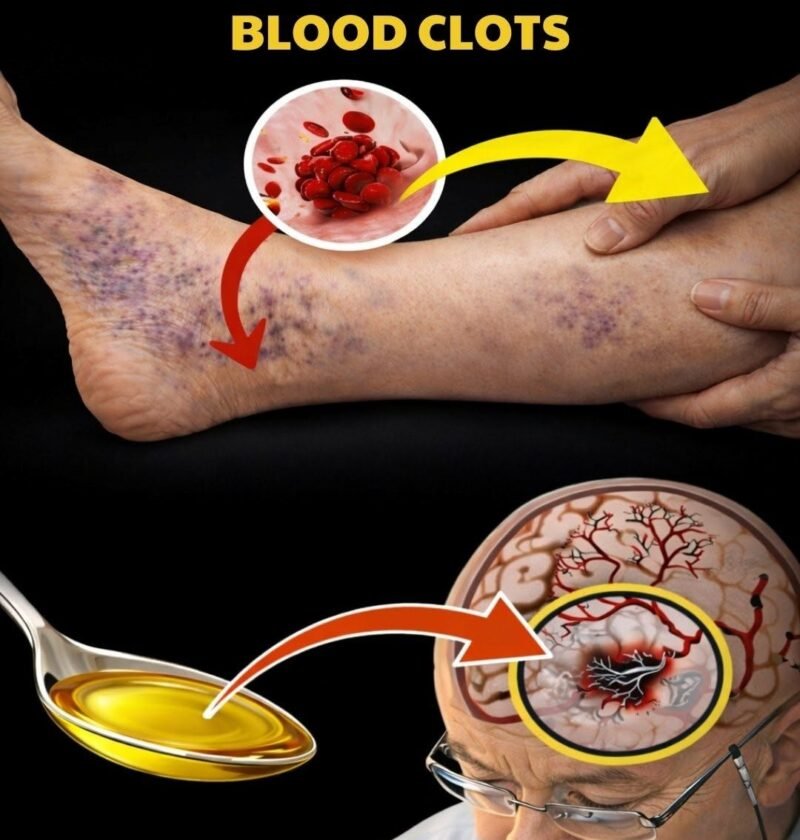
If by “natural blood clot management” you mean foods that may support healthy circulation and normal blood-clotting balance, fruit can be part of a heart-healthy diet—but no fruit can dissolve an existing blood clot or safely replace prescribed anticoagulants.
Eight nutritious choices are:
-
Berries — blueberries, strawberries, raspberries and blackberries provide polyphenols and fiber.
-
Oranges and other citrus — rich in vitamin C and flavonoids.
-
Pomegranate — contains polyphenol antioxidants; evidence for meaningful effects on blood clots in humans is still limited.
-
Grapes — provide polyphenols such as resveratrol.
-
Apples — a useful source of fiber and flavonoids.
-
Kiwi — provides vitamin C, potassium and fiber.
-
Avocado — supplies potassium, fiber and predominantly unsaturated fats.
-
Watermelon — contributes hydration and potassium.
One important medication warning
If you take warfarin or another blood thinner, don’t make major dietary changesained one-sided calf swelling/pain or sudden breathlessness—food isn’t an appropriate treatment based on a “blood-thinning foods” list without discussing them with your clinician. With warfarin in particular, consistency in vitamin-K intake is important.
And if you’re concerned that you currently have a blood clot—for example, unexplained one-sided calf swelling/pain or sudden breathlessness—food isn’t an appropriate treatment and you should seek medical care promptly.
If you share the article containing this headline, I can check whether its specific claims about the 8 fruits are medically accurate.