Here’s a clear, patient-friendly version that distinguishes the two conditions without overstating them.
Sciatica and Spinal Stenosis: Understanding Two Overlooked Yet Disabling Conditions
Lower-back pain is common, but pain that travels into the legs, causes numbness, or makes walking difficult can have a different underlying cause. Sciatica and spinal stenosis are two conditions that can produce these symptoms, although they are not the same thing.
What is sciatica?
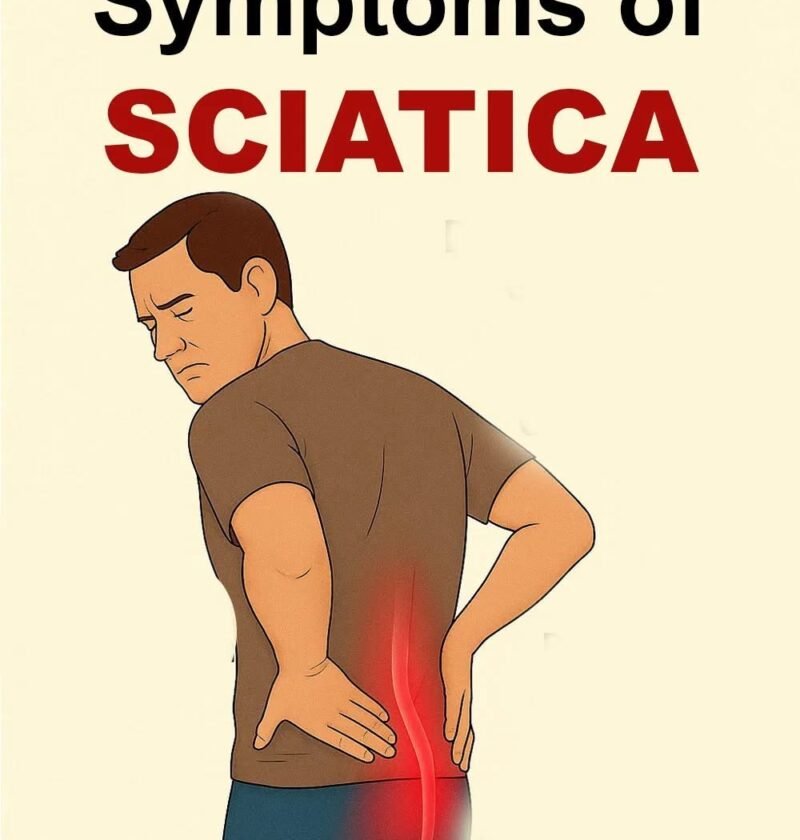
Sciatica describes pain caused by irritation or compression of the sciatic nerve or its nerve roots, usually in the lower back.
Pain may travel from the lower back or buttock down the back of the thigh and into the leg. Some people also experience tingling, numbness, or weakness.
Common causes include a herniated disc, bone spurs, or narrowing around a spinal nerve root.
Sciatica often affects one side of the body, although symptoms can vary.
What is spinal stenosis?
Spinal stenosis occurs when spaces within the spine become narrowed, potentially putting pressure on the spinal cord or spinal nerves.
It becomes more common with aging because of changes such as arthritis, disc degeneration, and thickening of spinal ligaments.
A common pattern is pain, numbness, heaviness, or weakness in the legs that becomes worse with standing or walking and improves when sitting or bending forward.
How are they different?
Although the conditions can overlap, they describe different problems:
-
Sciatica refers to a pattern of symptoms caused by irritation or compression of nerves contributing to the sciatic nerve.
-
Spinal stenosis refers to narrowing of spaces in the spine.
-
Spinal stenosis can sometimes cause sciatic-type symptoms, but not everyone with spinal stenosis has sciatica.
Treatment depends on the cause
Treatment may include staying appropriately active, physical therapy, exercises, pain-relieving medicines when suitable, and changes to activities that aggravate symptoms.
Some people with persistent or severe symptoms may need injections or surgery. The appropriate treatment depends on the underlying cause, severity, neurological findings, and response to conservative treatment.
When is urgent medical care needed?
Seek urgent medical attention if back or leg symptoms occur with:
-
New loss of bladder or bowel control
-
Numbness around the genitals, buttocks, or inner thighs
-
Severe or rapidly worsening leg weakness
-
Significant difficulty walking
-
Back pain following major trauma, particularly with neurological symptoms
These symptoms can indicate serious nerve compression requiring prompt assessment.
The key takeaway: Persistent radiating leg pain, numbness, weakness, or walking limitations shouldn’t simply be dismissed as “normal back pain.” A healthcare professional can determine whether the symptoms are coming from sciatica, spinal stenosis, another spinal condition, or a non-spinal cause.