What Is Normal Blood Pressure at Different Ages?
There isn’t a separate “normal” blood-pressure number for every age. For most adults, including older adults, the same general targets are used, although an individual’s ideal target can vary with their health and medications.
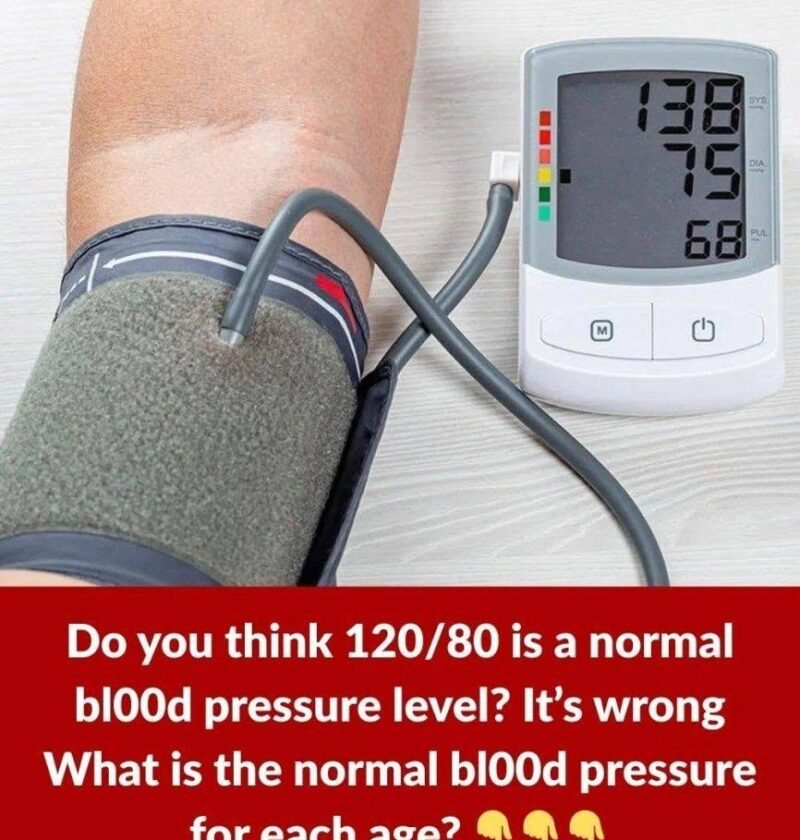
A blood pressure reading has two numbers: systolic (top) and diastolic (bottom), measured in mmHg.
| Age group | General healthy range/target |
|---|---|
| Children | Varies considerably with age, sex, and height; pediatric charts are used |
| Teens | Generally similar adult thresholds from around age 13 |
| Adults 18–64 | Below 120/80 is considered normal |
| Adults 65+ | Often still aim for below 130/80, when safely tolerated |
| Adults 80+ | Target may be individualized based on frailty, other illnesses, falls, and treatment tolerance |
Understanding the numbers
- Normal: less than 120/80
- Elevated: 120–129 systolic and less than 80 diastolic
- High blood pressure: persistent readings of 130/80 or higher are considered hypertension under U.S. guidelines.
One high reading doesn’t necessarily mean you have hypertension. Blood pressure varies with stress, activity, caffeine, pain, and medications, so repeated properly measured readings are more informative.
🚨 Very high blood pressure (around 180/120 or higher) accompanied by chest pain, difficulty breathing, severe headache, weakness/numbness, confusion, or vision changes requires urgent emergency care.
If you tell me the person’s age and blood-pressure reading, I can help you understand what that particular reading means.