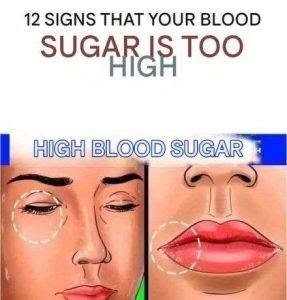
The High-Sugar Alert: 12 Symptoms You Shouldn’t Ignore
If by “high sugar” you mean high blood glucose, the tricky part is that it can develop gradually and sometimes causes no noticeable symptoms, especially in the early stages. Symptoms become more likely as glucose levels rise.
12 possible signs of high blood sugar
- Frequent urination — especially waking repeatedly at night to urinate.
- Increased thirst — excessive urination can cause fluid loss.
- Increased hunger — glucose may remain in the bloodstream instead of being effectively used by cells.
- Unexplained weight loss — particularly when blood sugar is significantly elevated.
- Fatigue or weakness — cells may not be getting glucose effectively for energy.
- Blurred vision — elevated glucose can temporarily affect the eye’s lens.
- Slow-healing cuts or wounds — persistent high glucose can interfere with healing.
- Frequent infections — particularly certain skin, urinary, or fungal infections.
- Tingling or numbness — prolonged high blood sugar can damage nerves.
- Dry or itchy skin — dehydration and other effects can contribute.
- Headaches — can occur, although headaches have many other causes.
- Difficulty concentrating or feeling unusually sleepy — significant hyperglycemia can affect how you feel and function.
🩸 Don’t diagnose yourself from symptoms alone
These symptoms can have many causes, and prediabetes and early type 2 diabetes often have no symptoms at all. The reliable way to determine whether your blood glucose is elevated is with testing such as fasting blood glucose or HbA1c.
If you have symptoms such as vomiting, severe weakness, confusion, difficulty breathing, abdominal pain, or extreme thirst/urination, particularly with very high glucose, seek urgent medical care.
And one important point: don’t start taking diabetes medication or drastically change your medication based solely on these symptoms. A blood-glucose measurement and appropriate medical evaluation are much more useful.