Here’s a practical, senior-friendly version:
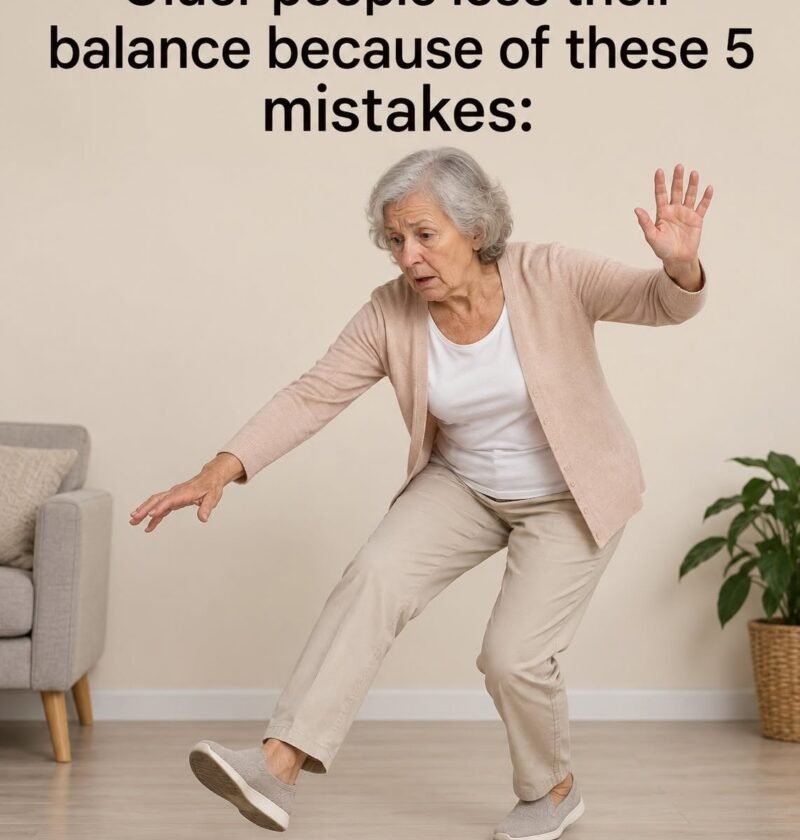
⚖️ 5 Common Mistakes That Can Affect Balance in Older Adults
Good balance helps you stay independent and reduces the risk of falls. Some everyday habits, however, can quietly make balance problems worse.
- 🪑 Being too inactive
Spending most of the day sitting can weaken the legs and core. Regular walking and appropriate strength and balance exercises can help maintain stability. - 👟 Wearing unsafe footwear
Loose slippers, slippery soles, and poorly fitting shoes can make falls more likely. Choose comfortable, well-fitting shoes with good traction. - 💊 Ignoring medication side effects
Some medicines can cause dizziness, drowsiness, or low blood pressure. If you notice these effects, talk to your doctor or pharmacist rather than stopping medication yourself. - 🏠 Overlooking hazards at home
Loose rugs, clutter, poor lighting, and cords across walkways can turn small balance problems into falls. Keep walking areas clear and well lit. - 👀 Ignoring changes in vision or balance
Poor vision, dizziness, numbness, or new difficulty walking can affect stability. Don’t simply assume these changes are part of normal aging—get them evaluated.
❤️ A simple daily goal
Move regularly, strengthen your legs, practice balance safely, wear supportive footwear, and make your home fall-friendly.
⚠️ Important: New or sudden loss of balance—especially when accompanied by weakness, facial drooping, speech difficulty, severe headache, or vision changes—can be a sign of a stroke and requires emergency medical attention.