White Spots on the Skin in Summer:
What Could They Be?
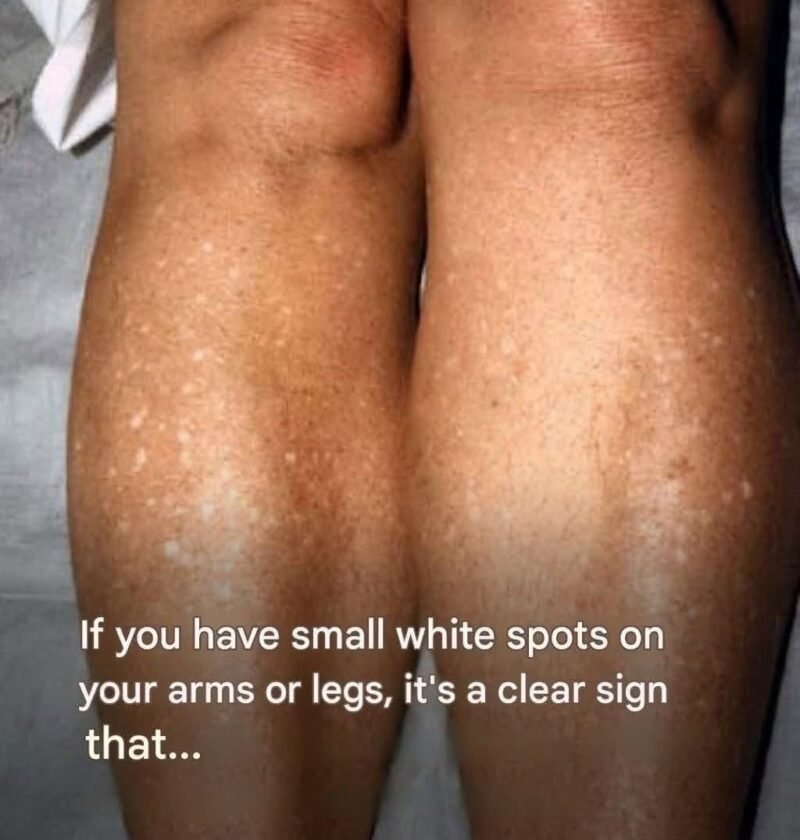
If pale or white patches become more noticeable during hot, humid weather or after getting a tan, one common possibility is tinea versicolor (pityriasis versicolor). It is a common superficial yeast infection in which a normally occurring skin yeast
grows excessively. Warm, humid conditions and sweating can encourage this overgrowth. nhs.uk+1
What does it look like?
Tinea versicolor commonly produces:
- Light, white, pink, tan, or brown patches
- Spots on the chest, back, shoulders, upper arms, neck, or abdomen
- Fine scaling or dryness
- Sometimes mild itching
- Patches that become more obvious after sun exposure because the affected skin doesn’t tan normally AAD
It can be particularly noticeable on brown or darker skin.
Why does summer make it worse?
The yeast responsible for tinea versicolor normally lives on everyone’s skin.Heat, humidity, sweating, and oily skin can allow it to multiply excessively. This is why some people notice the spots every spring or summer and see them improve during cooler, drier months. AAD+1
Importantly, it isn’t caused by poor hygiene and isn’t considered contagious. nhs.uk
How is it treated?
For mild cases, dermatologists commonly use topical antifungal treatments. Depending on the situation, these may contain ingredients such as ketoconazole, selenium sulfide, miconazole, clotrimazole, or terbinafine. AAD+1
For example, an antifungal cream may be used on affected areas for a prescribed or label-directed course. Antifungal shampoos can also be used as skin treatments for more widespread patches; the exact product and instructions matter. nhs.uk+1
If the patches cover a large area, are recurrent, or don’t respond to topical treatment, a dermatologist may consider prescription treatment, including oral antifungals in appropriate cases. AAD
One thing that surprises people
Killing the yeast doesn’t immediately restore the skin’s color. Even after successful treatment, the lighter or darker patches can remain visible for weeks or months while the skin’s pigmentation returns to normal. AAD+1
Use broad-spectrum SPF 30+ sunscreen and avoid intentional tanning, because tanning can make the contrast between normal and affected skin much more obvious. AAD
But don’t assume every white spot is fungal
White or pale patches can also result from vitiligo, eczema, psoriasis, previous skin injury, or other conditions. A dermatologist may examine the patches and, when necessary, use a Wood’s lamp or examine a small skin scraping to distinguish tinea versicolor from other causes. AAD+1
Bottom line: If your pale spots repeatedly appear or become more noticeable during hot, sweaty summers—especially on your chest, back, shoulders, or neck—tinea versicolor is one possibility, but a proper diagnosis matters before starting treatment.
Sources