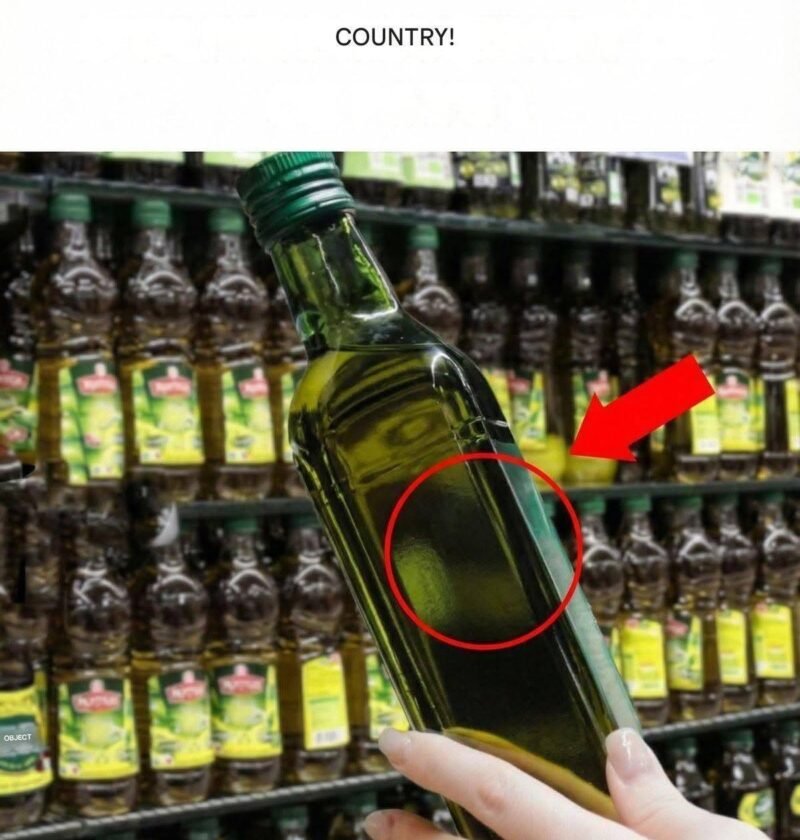
🫒 “80% of Olive Oil Is Fake!” — Is Yours One of Them?
That 80% figure is not a reliable universal statistic. Olive-oil fraud and mislabeling do occur, but the percentage of adulterated oil varies enormously by country, product category, sampling method, and study. A viral claim can make a real problem sound much larger than the evidence supports.
How to choose better olive oil
- Look for a reputable producer and retailer. Traceability and quality-control practices matter.
- Check the label carefully. If you want extra-virgin olive oil, make sure it actually says “extra virgin olive oil” rather than simply “olive oil.”
- Look for a harvest date when available. Olive oil is generally best when relatively fresh.
- Choose appropriately sized bottles so you can use the oil before it sits around for a long time.
- Store it properly: keep the bottle tightly closed in a cool, dark place, away from heat and direct sunlight.
- Don’t rely on refrigerator or freezer tests. Whether an olive oil becomes cloudy or solidifies at low temperatures is not a dependable home test for authenticity.
- Don’t rely on taste alone. Genuine extra-virgin olive oil can have a wide range of flavors, from mild to intensely peppery.
🧪 Can you test it at home?
Not reliably. Detecting adulteration often requires chemical and sensory analysis in a properly equipped laboratory. Smell, color, thickness, or a simple kitchen “freezing test” can’t conclusively establish authenticity.
Bottom line: Don’t panic because of the “80% fake” headline. Buy from a trustworthy source, check the labeling and freshness, and store the oil correctly. If you share the brand, country of origin, and label information, I can help you assess what you’re buying.