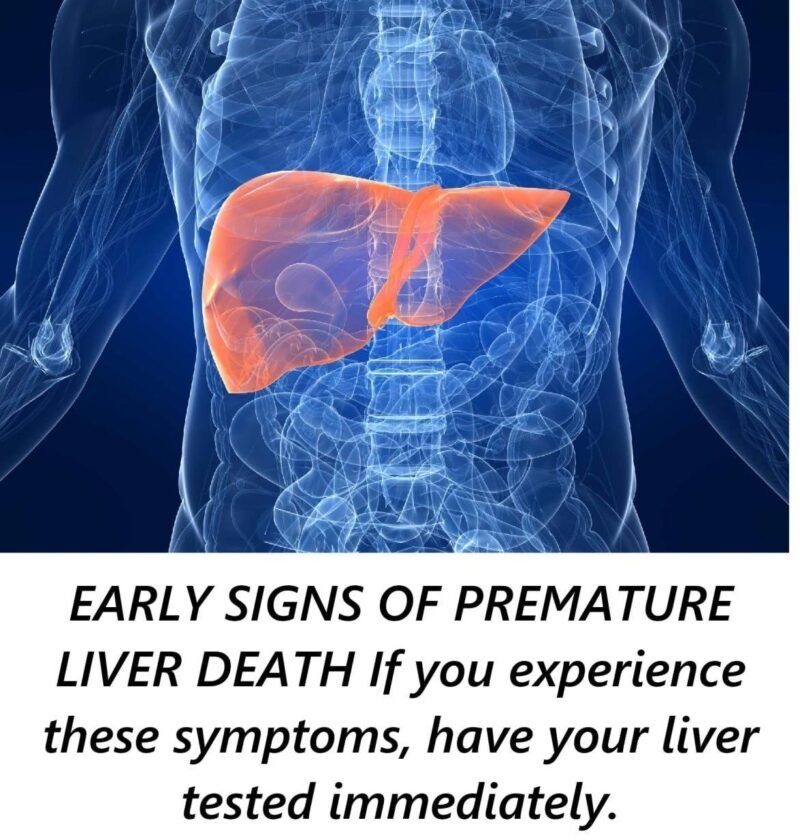
That headline is a little too alarming: many “hidden liver warning signs” are nonspecific and don’t necessarily mean liver disease. Early liver disease can also cause no symptoms at all, which is why risk assessment and appropriate blood tests matter.
12 signs that can occur with liver problems
- Unusual or persistent fatigue
- Loss of appetite
- Nausea or reduced tolerance for certain foods
- Unexplained weight loss
- Abdominal discomfort, particularly in the upper-right abdomen
- Yellowing of the skin or whites of the eyes (jaundice)
- Dark urine
- Pale or clay-colored stools
- Persistent itching
- Easy bruising or bleeding
- Swelling of the abdomen or legs
- Confusion, difficulty concentrating, or unusual sleepiness in advanced liver disease
These symptoms can have many other causes. For example, dark urine can result from dehydration, and itching can occur with numerous skin conditions.
When to seek medical care
Get prompt medical attention for new jaundice, vomiting blood, black/tarry stools, severe abdominal swelling or pain, or new confusion.
People at increased risk—including those with significant alcohol use, obesity/metabolic disease, viral hepatitis exposure, or certain medication exposures—may benefit from discussing liver testing with a clinician even when they feel completely well.
The important message: don’t try to diagnose liver disease from a symptom list. Persistent or unexplained changes deserve professional evaluation, usually beginning with a medical history and appropriate blood tests.