Showing 2,760 Result(s)
Blog

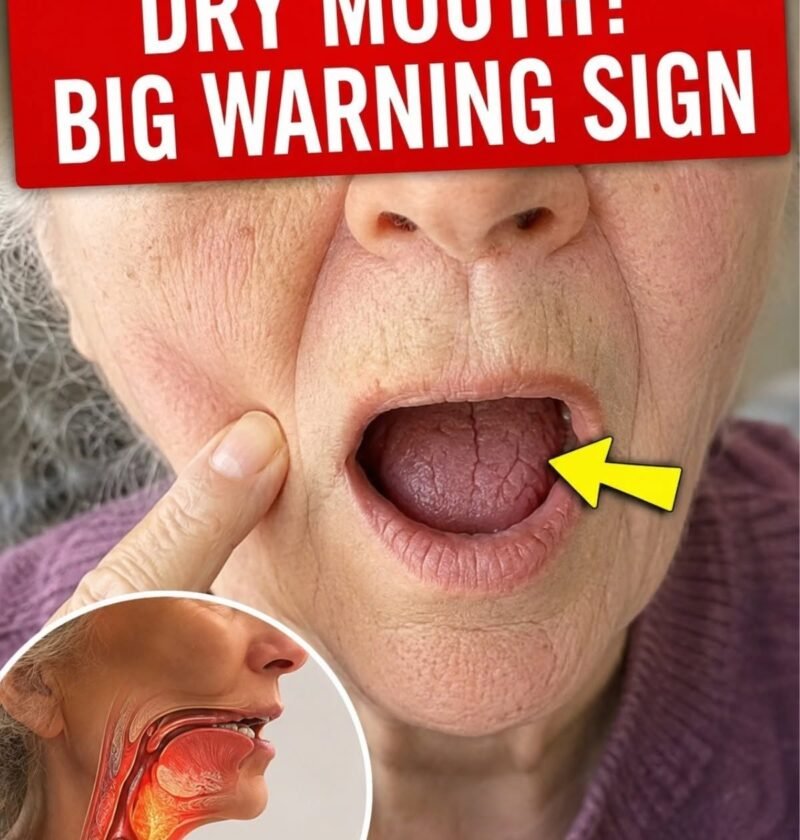
Dry Mouth Is Not Aging — It’s Your Saliva Shutting Down

That headline is misleading. Dry mouth (xerostomia) isn’t simply “your saliva shutting down,” and it isn’t an inevitable part of aging. Dry mouth means reduced saliva or a sensation of dryness. Common causes include: Medications — especially antihistamines, antidepressants, some blood-pressure medicines, diuretics, and anticholinergic drugs. Dehydration or excessive fluid loss. Mouth breathing, snoring, or …


Blog

If You Often Get Leg Cramps At Night, Your Body May Be Trying To Warn You About Something

Yes—frequent nighttime leg cramps can sometimes be a clue that something needs attention, but they’re also very common and often harmless. Possible contributors include: Dehydration or heavy sweating Overuse or muscle fatigue, especially after exercise Certain medications, including some diuretics and cholesterol-lowering drugs Low levels of certain electrolytes, although cramps aren’t automatically evidence of a …

Blog

Doctor Uncovers A Telltale Sign In Your Fingernails That May Predict Your Life Expectancy

If you’re asking whether that headline is medically credible: yes, fingernails can sometimes contain clues about health, but there is no single “telltale” nail sign that reliably predicts your life expectancy. Some nail findings can be associated with underlying conditions: Clubbing — enlarged, curved fingertips can occur with certain lung, heart, liver, or gastrointestinal diseases. …

Blog

7 medications that cause severe dementia and profound brain damage

If you mean medications that can significantly worsen cognition or increase dementia risk, there isn’t a medically valid list of seven drugs that cause “severe dementia and profound brain damage” in everyone who takes them. The risk depends heavily on dose, duration, age, other medications, and underlying illness. Medications/classes that deserve particular attention include: Diphenhydramine …

Blog

5 foods rich in estrogen

5 foods that contain or provide estrogen-like compounds If by “estrogen-rich” you mean foods containing phytoestrogens, these are plant compounds that can interact with estrogen receptors. They are not the same as human estrogen, and eating them doesn’t simply raise estrogen levels in the body. Five good sources include: Soy foods — Tofu, tempeh, edamame, …