Amlodipine (commonly known by its brand name Norvasc) is a widely prescribed calcium channel blocker used to manage high blood pressure and coronary artery disease by relaxing and widening blood vessels.
While millions of people take it safely, it can cause a range of side effects. Some are common and mostly bothersome, while others can signal a serious medical concern that requires immediate attention.
Common and Mild Side Effects (Monitor and Report)
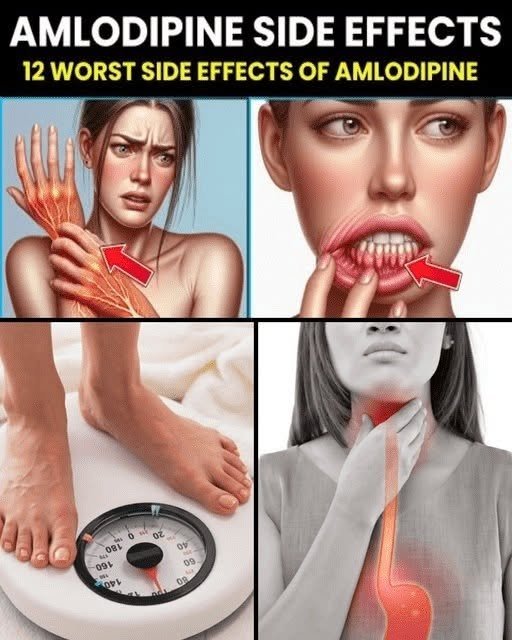
1. Peripheral Edema (Swelling in the Legs and Ankles)
-
What happens: Fluid pooling in the lower extremities is one of the most frequent side effects. It occurs because amlodipine dilates small arterial blood vessels, shifting fluid into the surrounding tissues.
-
Why you shouldn’t ignore it: While usually non-emergency, severe swelling can cause discomfort, skin tightness, and unexpected weight gain. Standard diuretic water pills often do not fix this type of swelling, so it requires a doctor’s evaluation to adjust the dose or medication.
2. Dizziness or Lightheadedness
-
What happens: As amlodipine relaxes your blood vessels, your blood pressure drops, which can occasionally cause a brief dizzy spell—especially when standing up too quickly (orthostatic hypotension).
-
Why you shouldn’t ignore it: Frequent dizziness increases the risk of dangerous falls. Rising slowly from a seated or lying position usually helps, but persistent lightheadedness should be checked by a physician.
3. Facial Flushing and Warmth
-
What happens: A sudden feeling of warmth, redness, or a tingly flush in the face, neck, or upper chest caused by the rapid widening of surface blood vessels.
-
Why you shouldn’t ignore it: Though typically harmless, severe or persistent flushing can be deeply bothersome and may prompt a dosage adjustment.
4. Heart Palpitations
-
What happens: A sensation of a racing, pounding, or irregular heartbeat.
-
Why you shouldn’t ignore it: While sometimes just a benign reflex as blood vessels dilate, fluttering or pounding sensations should always be evaluated to rule out underlying rhythm issues.
5. Fatigue and Drowsiness
-
What happens: A generalized feeling of tiredness as your body adjusts to lower blood pressure levels.
-
Why you shouldn’t ignore it: If fatigue becomes debilitating or interferes with daily life, a doctor can help determine if the dosage needs modification.
6. Nausea and Abdominal Discomfort
-
What happens: Mild digestive upset, stomach pain, or nausea.
-
Why you shouldn’t ignore it: Taking amlodipine with food often resolves mild stomach irritation, but ongoing GI distress should be mentioned to your care team.
7. Gum Tenderness or Overgrowth (Gingival Hyperplasia)
-
What happens: Less commonly, calcium channel blockers can cause the gum tissue around teeth to swell, become tender, or bleed.
-
Why you shouldn’t ignore it: Good dental hygiene (frequent brushing and flossing) helps, but untreated gum changes can lead to advanced oral health complications.
Serious Side Effects (Never Ignore — Seek Medical Care)
8. Worsening Chest Pain (Angina) or Heart Attack Symptoms
-
What happens: Paradoxically, when first starting amlodipine or after a dose increase, some individuals with severe obstructive coronary artery disease can experience new or worsening chest pain.
-
Why you shouldn’t ignore it: Severe chest pressure, pain radiating to the jaw or arms, sudden sweating, or shortness of breath can indicate a worsening cardiac event or heart attack and require immediate emergency medical attention.
9. Severe Low Blood Pressure (Hypotension)
-
What happens: Blood pressure drops excessively low, leading to profound weakness, blurred vision, confusion, or fainting (syncope).
-
Why you shouldn’t ignore it: Fainting spells put you at high risk for physical injuries from falls and require urgent medical assessment.
10. Severe Shortness of Breath or Fluid Overload
-
What happens: Labored breathing, waking up gasping for air, or rapid weight gain from worsening heart failure.
-
Why you shouldn’t ignore it: If amlodipine causes or exacerbates underlying fluid backup in the lungs, it is a medical emergency.
11. Severe Allergic Reactions (Anaphylaxis or Skin Reactions)
-
What happens: Sudden hives, swelling of the face, lips, tongue, or throat, or severe blistering and peeling of the skin (such as toxic epidermal necrolysis or erythema multiforme).
-
Why you shouldn’t ignore it: These life-threatening reactions require immediate emergency intervention and permanent discontinuation of the drug.
12. Yellowing of the Skin or Eyes (Liver Toxicity)
-
What happens: Rare cases of hepatic impairment, resulting in dark urine, jaundice (yellowing of the skin or whites of the eyes), and upper right-side abdominal pain.
-
Why you shouldn’t ignore it: Liver complications require prompt diagnostic testing and immediate consultation with your physician.
Crucial Safety Rule: Never stop taking amlodipine abruptly or alter your dosage on your own, as sudden discontinuation can cause a dangerous rebound spike in blood pressure. Always discuss bothersome or unusual side effects with your doctor so they can safely manage your treatment plan.