This means:
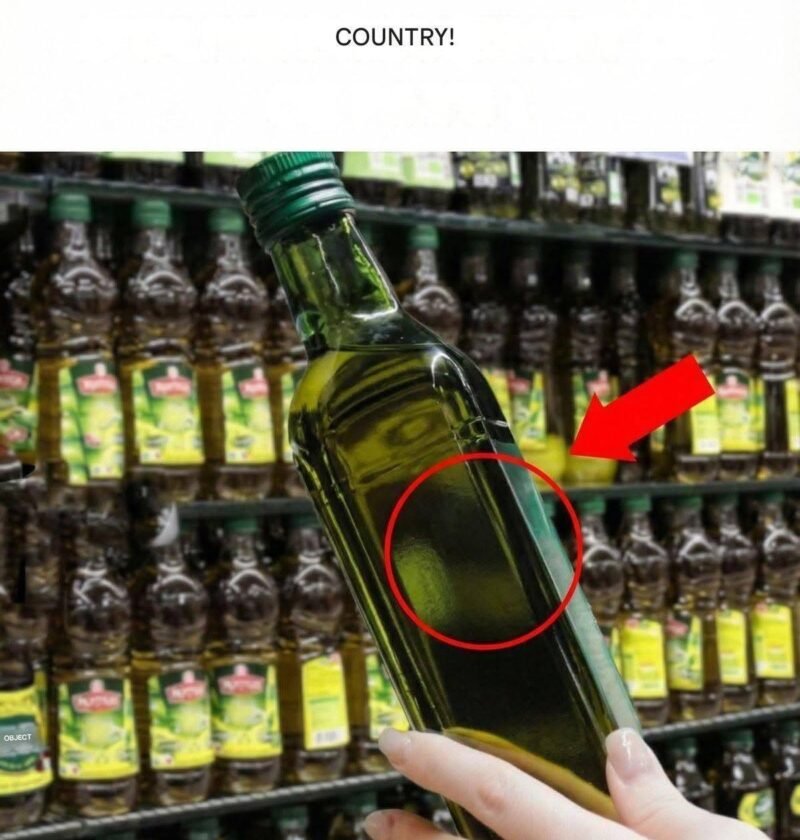
“A very large percentage of olive oil is supposedly counterfeit or adulterated, so you should check whether the bottle you own is genuine.”
Breakdown
“80% of olive oil is FAKE!” = claims that 8 out of 10 olive-oil products are not genuine olive oil or don’t meet the quality stated on the label.
“Is yours one of them?” = creates fear and curiosity by suggesting that the reader may have unknowingly purchased inferior or adulterated oil.
“FAKE” in capital letters = emphasizes the alarming part of the claim.
Important point
The 80% figure is misleading. It appears to come from older claims that were based on testing of selected olive oils and often confused failing the “extra virgin” quality standard with being fake or mixed with other oils. The 2010 UC Davis study, for example, found that some samples failed extra-virgin standards, but it did not establish that 80% were adulterated with other oils.
A
About Olive Oil
+1
There is genuine olive-oil fraud, including adulteration and mislabeling, but available testing does not support the blanket claim that 80% of olive oil is fake. For example, FDA testing of 88 extra-virgin olive-oil samples found no confirmed adulteration, while ongoing North American testing reports more than 98% authenticity among its supermarket samples.
A
About Olive Oil
+1
Also, there is no reliable refrigerator/freezer or other simple home test that can prove whether olive oil is authentic; laboratory analysis is needed.
A
About Olive Oil
A more accurate version:
“Olive-oil fraud does occur, but viral claims that 80% of olive oil is fake are misleading. Here’s how authenticity and quality are actually assessed.”
A
Sources