🧺 Vinegar Can Help With Laundry—but Here’s the Right Way to Use It
White vinegar is often recommended as a laundry aid because its acidity can help reduce detergent residue and mineral buildup, which may make fabrics feel stiff. But it’s not a magic whitening agent, and using it incorrectly can damage some materials or create dangerous fumes.
The right way to use vinegar
For softer towels:
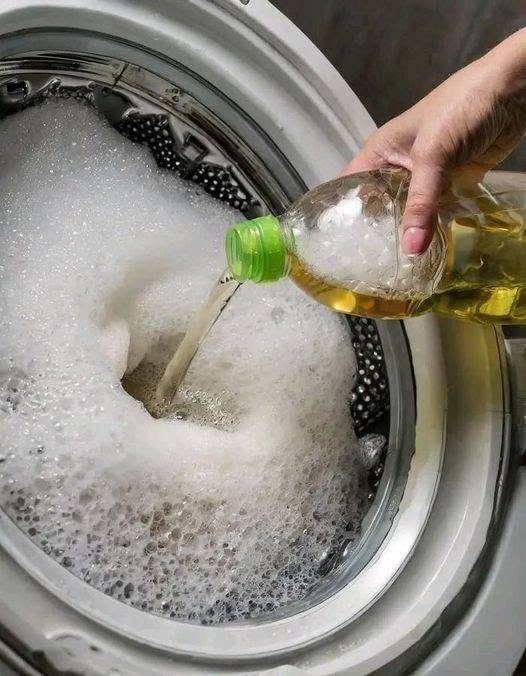
Add about ½ cup (120 mL) of plain distilled white vinegar to the washing machine’s fabric-softener compartment during a normal wash. This keeps it separate from the detergent and lets it enter during the rinse cycle.
For detergent buildup or odors:
A vinegar rinse may help remove residue and some odors. Don’t expect it to disinfect heavily contaminated laundry.
For white clothes:
Vinegar can help remove some residue that makes whites look dull, but oxygen bleach or a suitable laundry whitener is generally more effective for actual whitening.
🚫 Never mix vinegar with bleach
This is the most important rule. Vinegar + chlorine bleach can release toxic chlorine gas. Don’t combine them in the washing machine, bucket, or any cleaning solution.
Also avoid using vinegar regularly on elastic-containing fabrics, delicate materials, or appliances when the manufacturer specifically advises against acidic cleaners.
🧻 One towel tip
Skip conventional fabric softener on towels if maximum absorbency matters. Fabric softeners can coat fibers and reduce how well towels absorb water.
So, vinegar can be useful as an occasional laundry aid—but more vinegar isn’t better, and it shouldn’t replace detergent or appropriate stain treatment.