Does Your Shoulder Hurt? Here’s What It Could Mean Emotionally—and Physically
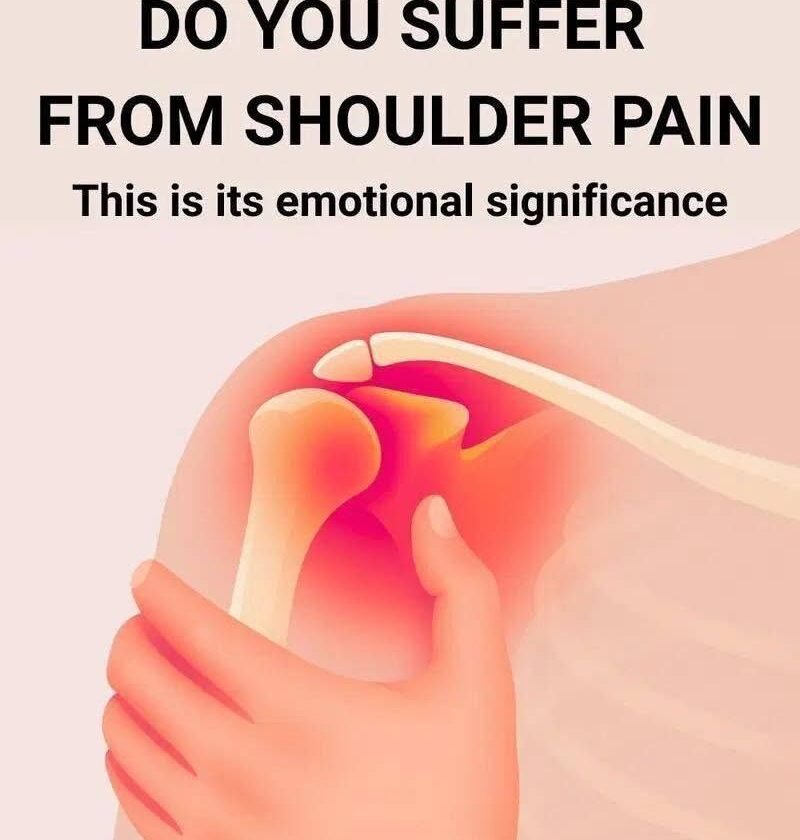
You may see claims that right-shoulder pain means one emotion and left-shoulder pain means another. There isn’t good medical evidence that a particular shoulder pain pattern reliably reveals a specific emotion.
However, stress and anxiety can cause muscle tension and muscle aches, including around the neck and shoulders.
Common physical causes
Shoulder pain is much more often related to things such as:
- Muscle strain or overuse
- Tendinitis or bursitis
- Rotator-cuff problems
- Arthritis
- A pinched nerve in the neck
- Frozen shoulder
- An injury or dislocation
🧠 What emotions can contribute?
Persistent stress, anxiety and poor sleep can keep muscles tense and make existing shoulder discomfort feel worse. That doesn’t mean the pain is “caused by stored emotions,” however.
Gentle movement, relaxation techniques, adequate sleep and addressing the source of stress may help when muscle tension is contributing.
🚨 Don’t assume shoulder pain is emotional
Shoulder or arm discomfort can occasionally be referred pain from the heart. Seek emergency medical help if shoulder pain occurs with chest pressure/discomfort, shortness of breath, sweating, nausea, faintness, or pain in the jaw, back or arm.