Aneurysm: Signs You Shouldn’t Ignore
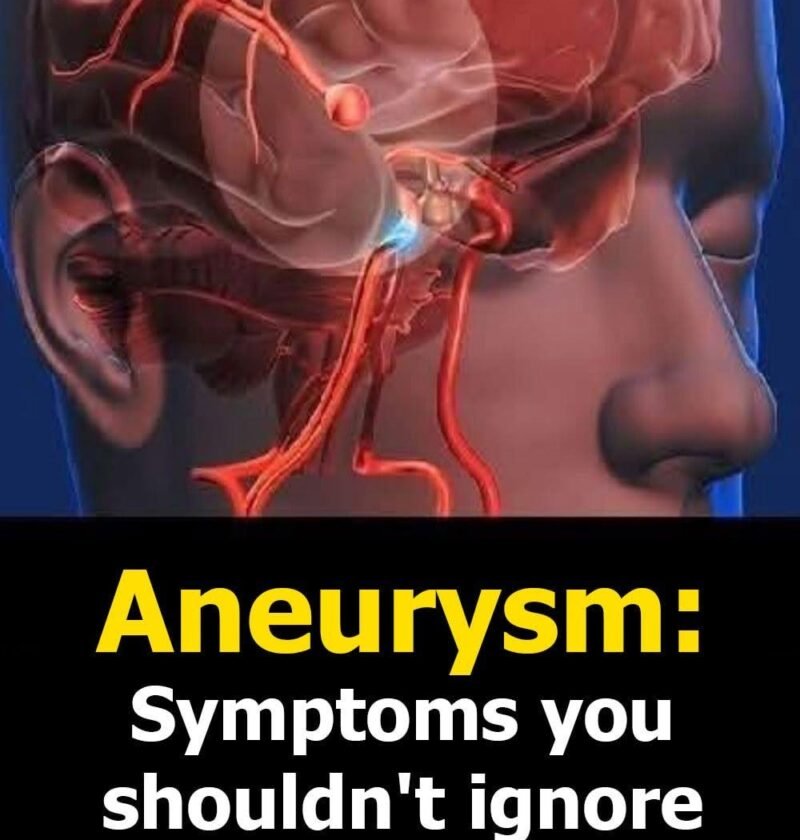
An aneurysm is a weakened area in an artery wall that bulges outward. Many aneurysms cause no symptoms at all and are discovered incidentally. The danger comes when an aneurysm grows, leaks, ruptures, or causes a tear in the artery wall.
🚨 The most important warning sign: sudden, severe headache
A brain aneurysm that ruptures can cause a sudden, extremely severe headache, often described as a “thunderclap” or the worst headache someone has ever experienced. It may occur with nausea, vomiting, stiff neck, sensitivity to light, seizures, loss of consciousness, or stroke-like symptoms.
This is an emergency. Don’t wait to see whether the headache goes away.
Other symptoms that deserve urgent attention
Depending on the aneurysm’s location, warning signs can include:
- Sudden weakness or numbness, particularly on one side
- Difficulty speaking or understanding speech
- Sudden vision loss or double vision
- A drooping eyelid or unequal pupils
- Severe dizziness or loss of coordination
- Sudden loss of consciousness
- A seizure
Aortic aneurysm warning signs
Aneurysms can also occur in the aorta, the body’s largest artery. An aortic aneurysm may cause no symptoms, but symptoms can include pain in the chest, back, abdomen, neck, jaw, or shoulder, depending on its location. A pulsating sensation or lump in the abdomen can also occur.
A rupture or aortic dissection can produce sudden, severe chest, back, or abdominal pain, sometimes accompanied by fainting, difficulty breathing, sweating, rapid heartbeat, nausea, weakness, or signs of shock.
Why you shouldn’t ignore these symptoms
Aneurysms can remain silent until they become dangerous. If an aneurysm ruptures, rapid treatment is critical because severe internal bleeding or bleeding around the brain can be life-threatening.
If you or someone nearby develops a sudden severe headache, sudden neurological symptoms, fainting, or sudden severe chest/back/abdominal pain, seek emergency medical care immediately.