What Is “Normal” Blood Pressure at Each Age?
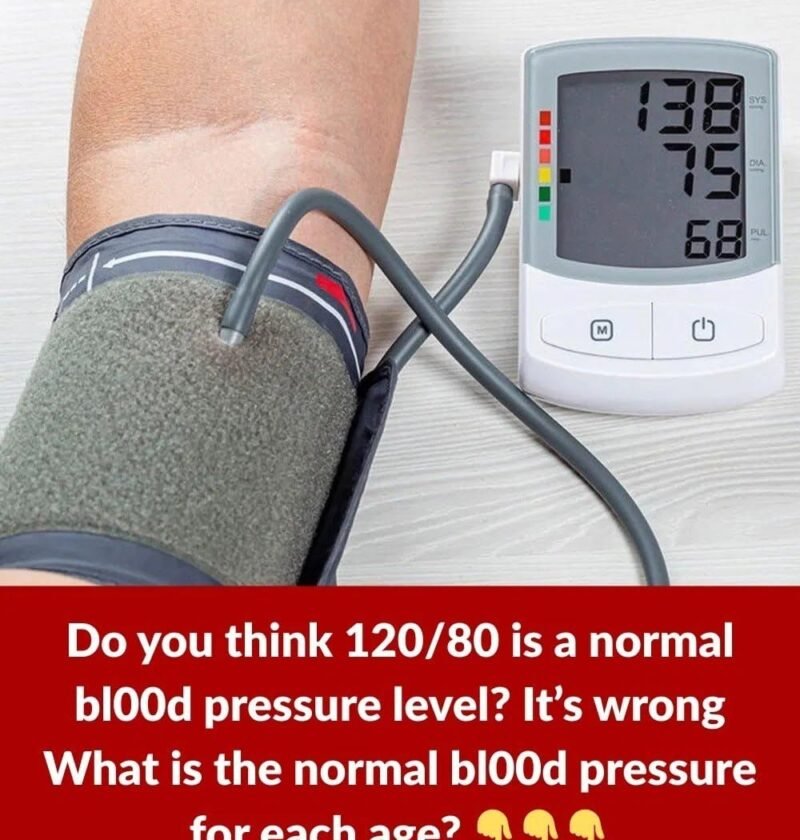
A common mistake is believing that normal blood pressure automatically rises with age. Current guidelines do not use a separate “normal” blood-pressure range for each adult age group.
For adults, the American Heart Association’s current categories are: (professional.heart.org)
| Blood pressure | Category |
|---|---|
| Below 120/80 mmHg | Normal |
| 120–129 / below 80 | Elevated |
| 130–139 or 80–89 | Stage 1 hypertension |
| 140+ or 90+ | Stage 2 hypertension |
| Above 180 and/or 120 | Severe hypertension |
👵 What about people over 60 or 70?
There isn’t a rule saying that 140/90 is “normal because you’re older.” Blood pressure generally becomes more likely to rise with age, but elevated readings still deserve attention. The 2025 AHA/ACC guideline gives an overall treatment goal of below 130/80 mmHg for adults, while recognizing that treatment decisions may need to be individualized for people with limited life expectancy, institutional care needs, or other circumstances. (professional.heart.org)
One reading isn’t enough
Blood pressure naturally varies. A diagnosis should generally be based on repeated, properly taken measurements, rather than one unusual reading. (professional.heart.org)
For home measurements, sit quietly for several minutes, keep your back supported and feet flat, and use a properly fitting upper-arm cuff.
🚨 When is it an emergency?
If your blood pressure is over 180/120, repeat the measurement after a short rest. If it remains that high, contact a healthcare professional promptly. If it is that high and you have chest pain, shortness of breath, weakness/numbness, vision changes, severe back pain, or difficulty speaking, seek emergency medical care immediately. (www.heart.org)
Bottom line: Don’t use age alone to decide that a blood-pressure reading is “normal.” For most adults, under 120/80 is considered normal, and persistent readings of 130/80 or higher deserve discussion with a healthcare professional.