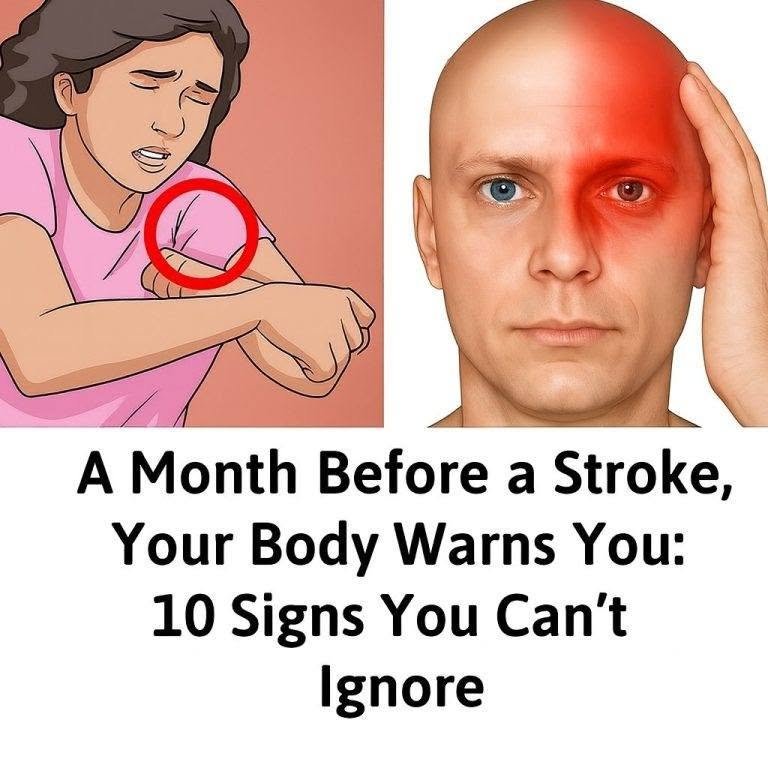
That phrasing is another viral clickbait headline—often shared alongside dramatic lists of vague symptoms like “hiccups,” “fatigue,” or “shoulder pain.”
Medically, most strokes happen suddenly without a month-long countdown of subtle body warnings. A stroke occurs when blood flow to part of the brain is blocked or a blood vessel bursts, and symptoms usually appear abruptly.
However, there is a grain of truth behind these headlines: up to 1 in 5 people experience a “mini-stroke” or Transient Ischemic Attack (TIA) days, weeks, or even a month before a major stroke. A TIA happens when blood flow to the brain is temporarily blocked and then restores itself.
Real Warning Signs (TIA / Early Stroke) to Never Ignore
Unlike vague clickbait symptoms, actual warning signs of a TIA or impending stroke are sudden, focal neurological changes—even if they only last a few minutes and completely disappear:
-
Sudden numbness or weakness in the face, arm, or leg—especially on one side of the body.
-
Sudden confusion, trouble speaking, or slurred speech (or difficulty understanding simple words).
-
Sudden trouble seeing in one or both eyes (blurriness, double vision, or temporary blackout like a “curtain coming down”).
-
Sudden trouble walking, loss of balance, coordination problems, or severe spinning dizziness (vertigo).
-
Sudden, severe headache with no known cause (often described as the worst headache of your life).
Why Clickbait “10 Signs” Lists Are Misleading
Viral articles often pad their lists with everyday issues—like general tiredness, anxiety, hiccups, or neck stiffness—to get clicks. While women can occasionally experience non-traditional symptoms during an active stroke (such as sudden nausea, generalized weakness, or hiccups accompanied by chest/face pain), having general fatigue or occasional hiccups a month beforehand is not a recognized medical predictor of a stroke.
What to do if you notice real warning signs: Use the FAST check:
-
Face drooping
-
Arm weakness
-
Speech difficulty
-
Time to call emergency services immediately
Even if symptoms vanish after 5 minutes, treat a suspected TIA as a medical emergency—getting evaluated right away can prevent a full-blown stroke.