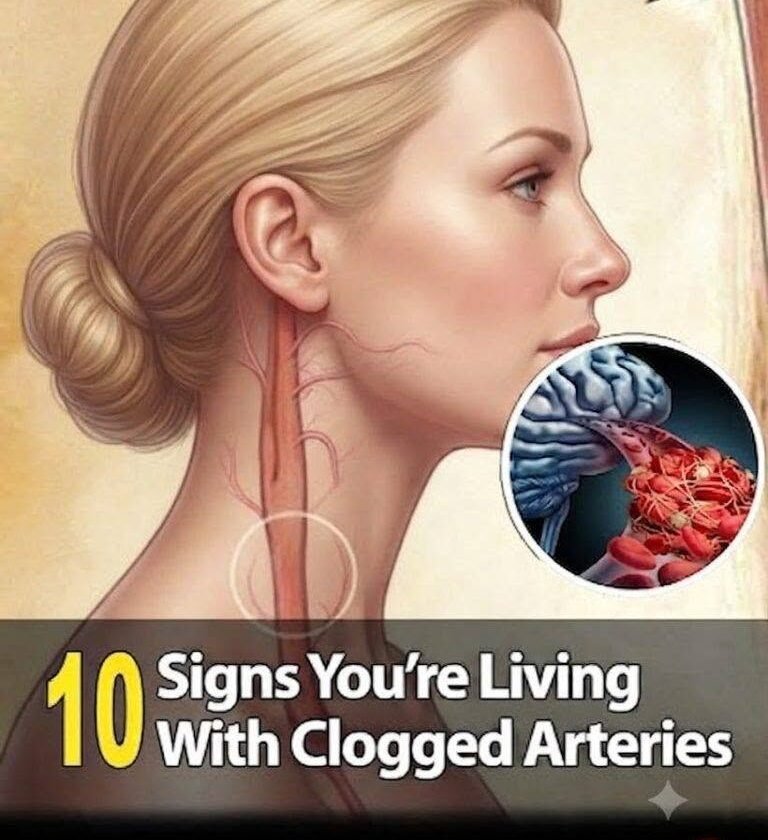
10 Symptoms Linked to Reduced Arterial Blood Flow
-
Chest Pressure, Tightness, or Squeezing (): Often feels like heaviness or fullness behind the breastbone during exertion, cold weather, or emotional stress, and eases with rest.
-
Shortness of Breath With Minimal Effort: Feeling winded walking up stairs or carrying groceries happens when reduced coronary flow prevents the heart from pumping efficiently under demand.
-
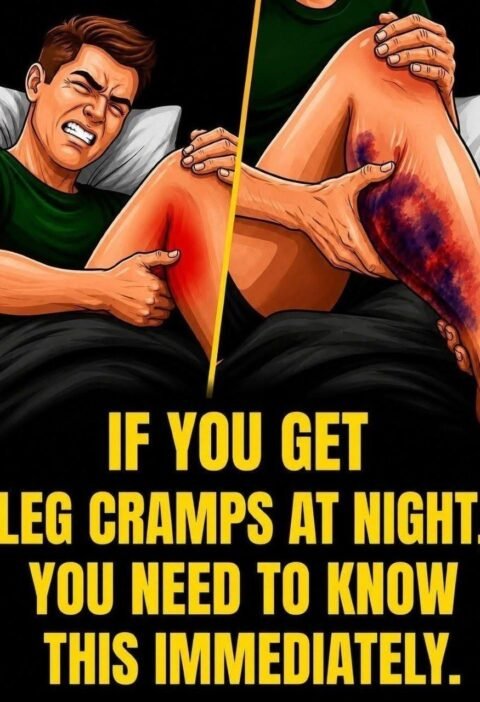
Leg Cramping or Aching While Walking (): Pain reliably starts after walking a set distance and stops within a few minutes of standing still.
-
Cold, Numb, or Pale Feet and Toes: Poor circulation to the lower limbs leaves one foot or leg noticeably colder than the other, sometimes with pale or bluish skin when elevated.
-
Slow-Healing Sores or Ulcers on Feet or Ankles: Cuts, blisters, or pressure spots on the toes or heels fail to heal properly because tissue lacks oxygen and immune cells.
-
Hair Loss or Shiny, Thin Skin on Lower Legs: Chronic reduced blood flow starves hair follicles and sweat glands, leaving shin skin smooth, tight, and hairless with thickened toenails.
-
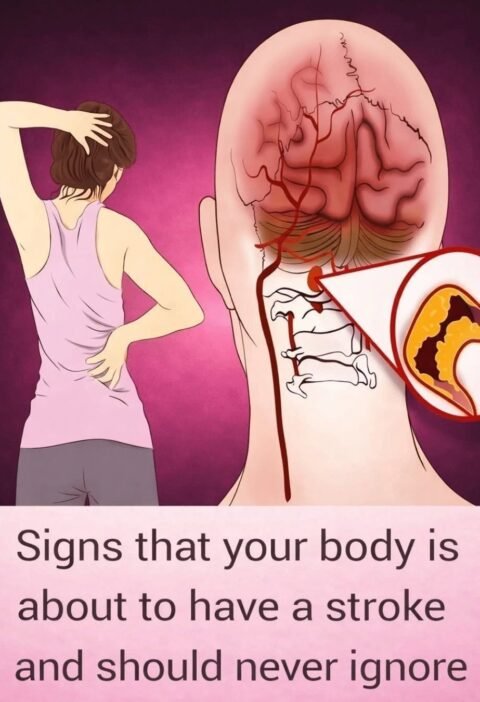
Sudden Weakness, Numbness, or Slurred Speech: Brief episodes () signal narrowed carotid or cerebral arteries and warn of an impending stroke.
-
Unusual Fatigue or Dizziness on Exertion: Reduced cardiac output or narrowed neck arteries can cause lightheadedness or disproportionate exhaustion during routine activity.
-
Erectile Dysfunction: Because penile arteries are narrower than coronary arteries, difficulty maintaining an erection is often an early warning sign of systemic vascular disease years before heart symptoms appear.
-
Severe Abdominal Pain After Eating (): Less common, but narrowed abdominal arteries cause cramping 15 to 60 minutes after meals, often leading to fear of eating and unintentional weight loss.
Emergency Warning Signs (Seek Immediate Care)
-
Chest pain, pressure, or squeezing lasting more than a few minutes or spreading to the jaw, neck, back, or left arm.
-
Sudden face drooping, arm weakness, or speech difficulty (even if symptoms fade within minutes).
-
A suddenly cold, pale, painful, or numb leg or foot, which signals acute arterial blockage requiring urgent restoration of blood flow.