7 Real Signs Your Heart Needs Urgent Medical Attention
-
Chest pressure, tightness, heaviness, or squeezing: Discomfort in the center or left side of the chest—often described as a heavy weight, fullness, or burning rather than a sharp stab—especially if it occurs during physical exertion or emotional stress and eases with rest (angina), or lasts more than a few minutes (heart attack).
-
Shortness of breath at rest, during light activity, or when lying flat: Feeling winded doing everyday tasks, waking up gasping for air at night (paroxysmal nocturnal dyspnea), or needing multiple pillows to breathe comfortably (orthopnea) can indicate fluid backing up into the lungs from heart failure or reduced blood flow.
-
Pain or discomfort radiating to the upper body: Aching, tightness, or numbness spreading from the chest—or appearing on its own—in the jaw, neck, upper back, shoulders, one or both arms (especially the left), or upper stomach.
-
Fainting (syncope) or sudden severe dizziness: Losing consciousness or feeling like the room is spinning or blacking out—especially during exercise or without warning—can signal a dangerously slow, fast, or irregular heartbeat (arrhythmia) or a narrowed heart valve restricting blood flow to the brain.
-
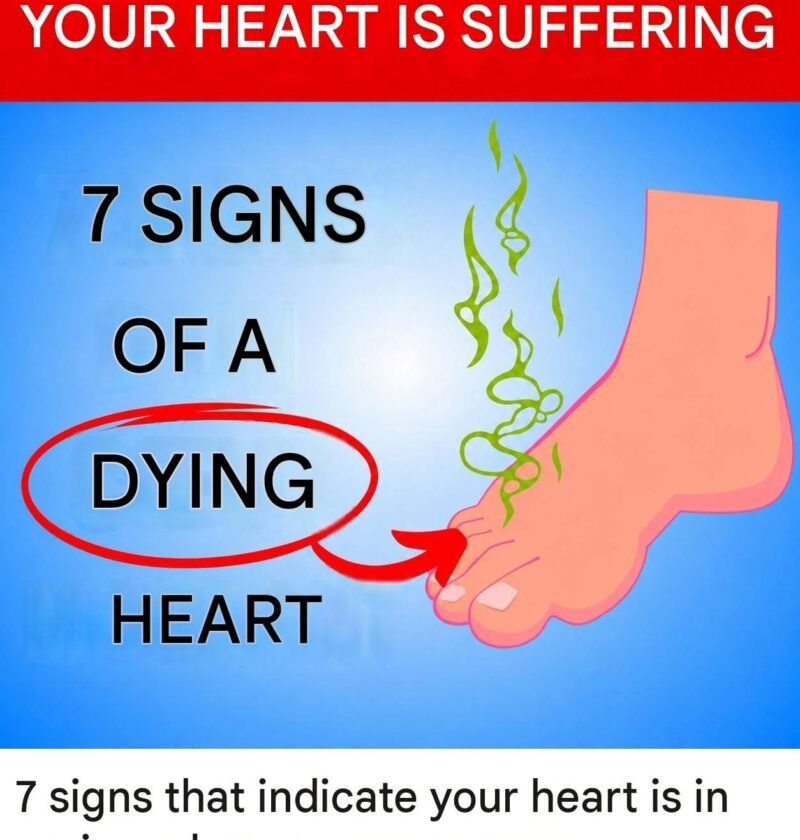
Swelling in the feet, ankles, lower legs, or abdomen: Persistent fluid retention (edema) that leaves a dent when pressed, paired with rapid weight gain over a few days, often happens when the heart cannot pump blood efficiently enough to keep fluid moving.
-
Racing, pounding, or fluttering heartbeat with symptoms: Occasional skipped beats are common and often harmless, but a sustained rapid pulse, chaotic fluttering (atrial fibrillation), or pounding paired with dizziness, chest tightness, or breathlessness requires prompt evaluation.
-
Sudden extreme fatigue or cold sweats: Unexplained, heavy exhaustion during simple routines (like walking across a room) or breaking out in a cold, clammy sweat without exertion—common warning signs of reduced cardiac output or an acute coronary event, particularly in women, older adults, and people with diabetes.
When to Seek Immediate Emergency Care
-
Chest pressure, tightness, or pain lasting more than a few minutes or spreading to the arm, jaw, neck, or back
-
Sudden shortness of breath at rest
-
Fainting or near-fainting
-
Cold sweats, sudden nausea, or extreme weakness alongside any chest or breathing discomfort