Real, Recognized Signs of Kidney Trouble (Grouped Clearly)
-
Changes in Urination:
-
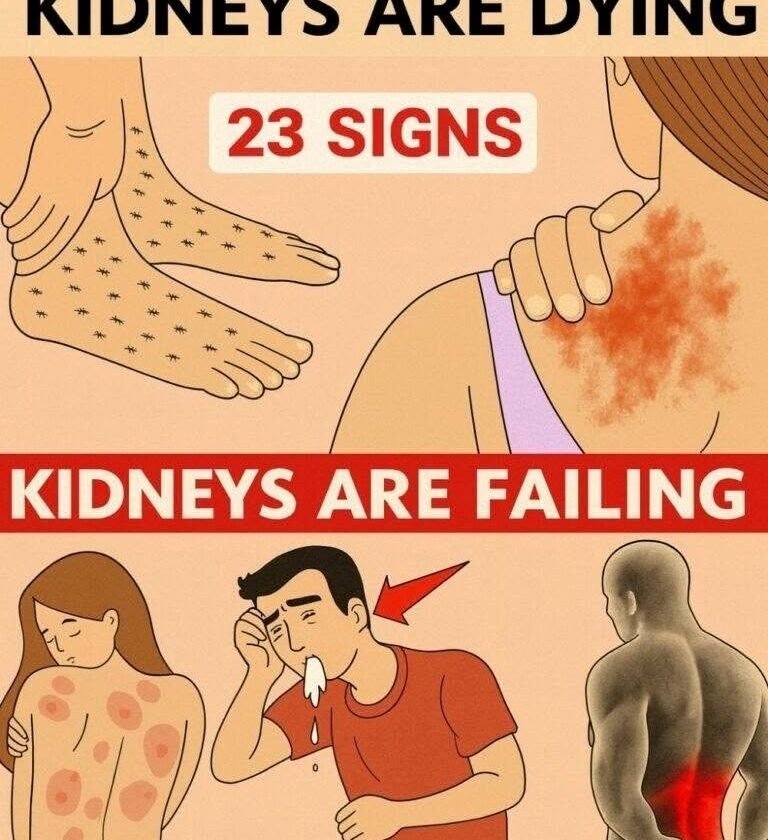
Persistent foamy or bubbly urine: Bubbles that stay in the toilet bowl even after flushing can indicate excess protein leaking into the urine (proteinuria), an early sign of kidney filter stress.
-
Blood in the urine (pink, red, or cola-colored): Damaged kidney filters can allow red blood cells to leak into urine (also seen with kidney stones or infections).
-
Waking up frequently at night to urinate (nocturia): Kidneys losing their ability to concentrate urine properly overnight.
-
Significantly decreased urine output: A warning sign of acute kidney injury or urinary blockage.
-
-
Fluid Retention:
-
Puffiness around the eyes (especially in the morning): Protein loss drops blood albumin, allowing fluid to collect in loose tissue around the eyelids.
-
Swelling in the ankles, feet, or hands: Damaged kidneys struggle to clear excess sodium and water.
-
-
Waste Buildup in the Blood (Usually Later Stages):
-
Severe, persistent itchy skin: Driven by high phosphorus levels and mineral imbalances when kidneys stop filtering waste efficiently.
-
Metallic taste in the mouth or ammonia-smelling breath: Caused by urea breaking down in saliva.
-
Nausea, loss of appetite, and unexplained weight loss: Waste toxins irritating the digestive tract.
-
Deep fatigue, weakness, and trouble concentrating: Healthy kidneys produce erythropoietin (EPO), a hormone that signals bone marrow to make red blood cells; failing kidneys often cause anemia.
-
Muscle cramps (especially in the legs at night): Triggered by electrolyte imbalances (low calcium, abnormal potassium or phosphorus).
-
What Usually Isn’t a Kidney Sign
How Kidney Health Is Actually Checked
-
Blood test (Serum Creatinine & eGFR): Measures how efficiently your kidneys filter waste.
-
Urine test (uACR — Urine Albumin-to-Creatinine Ratio): Detects tiny amounts of protein leakage long before symptoms appear.