The Core Rule: Remember BE FAST
-
B — Balance: Sudden loss of balance, dizziness, or lack of coordination.
-
E — Eyes: Sudden blurred, double, or lost vision in one or both eyes.
-
F — Face: One side of the face droops or feels numb (ask the person to smile—is it uneven?).
-
A — Arms: Sudden weakness or numbness in one arm (ask them to raise both arms—does one drift downward?).
-
S — Speech: Slurred speech, trouble speaking, or difficulty understanding simple words.
-
T — Time: Time to call emergency services immediately. Note the exact time symptoms started.
10 Early Warning Signs of a Stroke
-
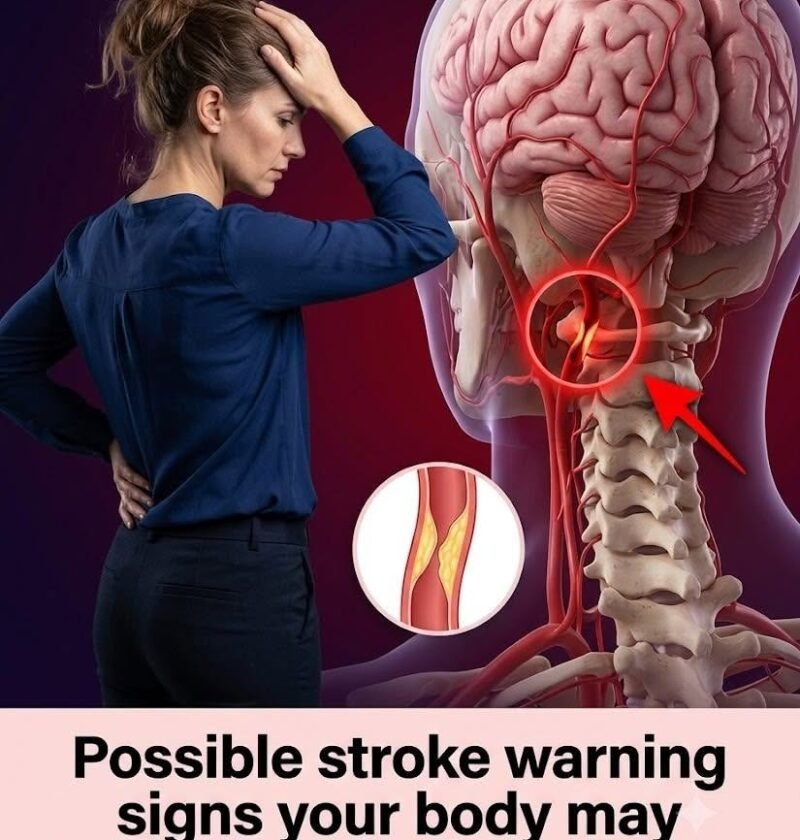
Sudden numbness or weakness on one side of the body (affecting the face, arm, or leg—especially on just one side).
-
Facial drooping or an uneven smile when trying to move the mouth.
-
Slurred or garbled speech, or suddenly struggling to find the right words.
-
Sudden confusion or trouble understanding what others are saying.
-
Sudden vision changes, including blurred vision, double vision, or temporary blindness in one or both eyes.
-
Sudden loss of balance or coordination, making walking feel unsteady or impossible.
-
Severe, sudden headache with no known cause, often described as the “worst headache of your life” (more common with hemorrhagic/bleeding strokes).
-
Sudden dizziness or vertigo (a spinning sensation), especially when paired with other neurological symptoms.
-
Difficulty swallowing (dysphagia) or sudden drooling due to muscle weakness in the throat and mouth.
-
Sudden clumsiness or loss of fine motor skills in one hand (such as suddenly dropping objects or being unable to button a shirt).
Critical Things to Remember
-
Watch for “Mini-Strokes” (TIAs): A Transient Ischemic Attack (TIA) causes the exact same symptoms, but they disappear within minutes to a few hours. Never ignore them—a TIA is a major medical emergency and a strong warning sign that a full stroke could happen within hours or days.
-
What NOT to do: Do not wait to see if symptoms improve, do not let the person “sleep it off,” do not drive yourself to the hospital, and do not give aspirin (if the stroke is caused by bleeding rather than a clot, aspirin can make it worse).
-
Act immediately: Call local emergency services right away (in Pakistan, dial 1122 for Rescue 1122) and tell the dispatcher you suspect a stroke so the patient is taken to a stroke-ready hospital.