<1 hour emergency symptoms together with nonspecific everyday complaints (like mild fatigue, occasional heartburn, or snoring) without telling you which ones require an ambulance right now versus a routine doctor visit.1. Immediate Emergency Red Flags (<1 Hour — Call 1122 / Go to the ER Now)
-
Chest Pressure, Squeezing, Fullness, or Pain: Often centered or left-sided, lasting more than a few minutes or coming and going—commonly mistaken for “gas” or indigestion.
-
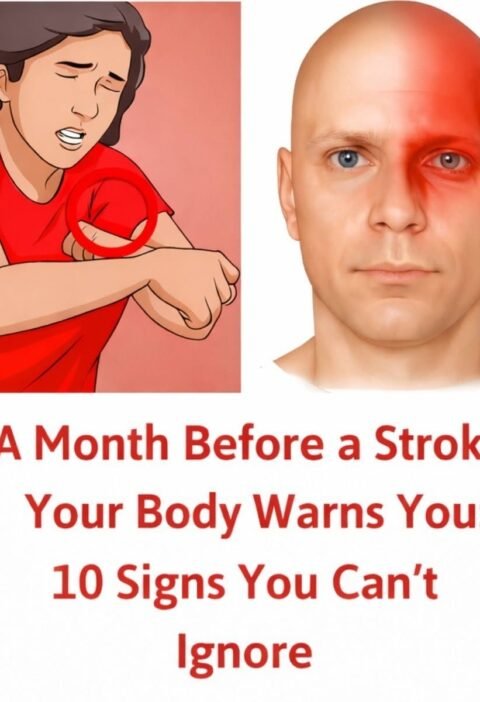
Pain Spreading to the Arm(s), Back, Neck, Jaw, or Upper Stomach: Cardiac ischemia frequently radiates beyond the chest, and in women, older adults, and people with diabetes, chest discomfort may be mild or overshadowed by upper-back/jaw ache, nausea, or sudden weakness.
-
Shortness of Breath (With or Without Chest Discomfort): Sudden trouble breathing at rest, during routine walking, or when lying flat in bed (orthopnea) or waking up gasping (paroxysmal nocturnal dyspnea).
-
Cold Sweats, Sudden Lightheadedness, or Fainting (Syncope): Breaking out into a cold sweat alongside nausea/chest discomfort, or passing out/nearly passing out (especially during exertion or with palpitations).
-
Rapid, Pounding, or Irregular Heartbeat With Distress: A racing or erratic pulse accompanied by chest pain, breathlessness, dizziness, or fainting.
2. Sub-Acute Signs Worth a Prompt Doctor Visit (2–7 Days — Don’t Ignore, Even If Not Crushing)
-
New or Worsening Swelling in Both Feet, Ankles, Legs, or Abdomen (Plus Rapid Weight Gain): Can reflect fluid retention from heart failure, kidney strain, liver issues, or certain medications. (Note: sudden painful swelling in ONE leg—especially with shortness of breath or chest pain—needs urgent evaluation for a blood clot/PE.)
-
Unexplained Drop in Exercise Tolerance or Persistent Fatigue: Getting winded climbing stairs or walking distances you handled easily a few weeks ago, or lingering jaw/chest tightness that consistently appears with walking/stress and eases with rest (stable angina).
How to Spot Clickbait Distortion in Heart-Symptom Listicles
-
Watch Out for “Guarantee” or “Silent Killer” Framing: Good medical guidance separates when to call emergency services (
<1 hour) from when to book an outpatient checkup (2–7 days), rather than implying that every dizzy spell or bout of indigestion equals an imminent heart attack. -
Risk Factors Raise the Stakes: Symptoms carry higher urgency in people with high blood pressure, diabetes, high cholesterol, smoking history, kidney disease, or a family history of early heart disease.