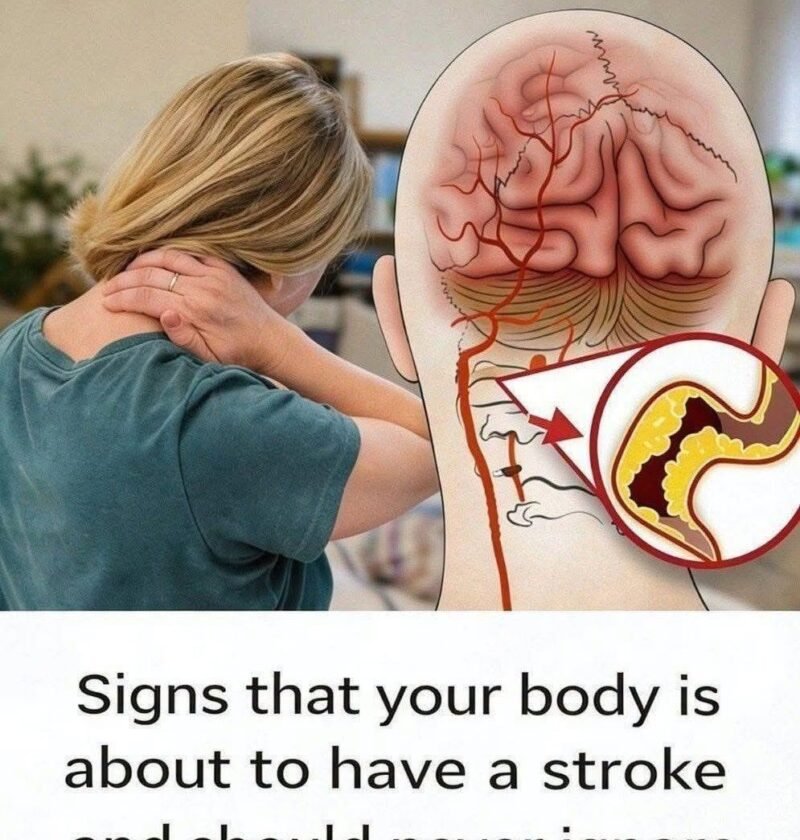
The Fastest Way to Spot a Stroke: BE FAST
-
B – Balance: Sudden dizziness, loss of balance, stumbling, or unexplained trouble walking.
-
E – Eyes: Sudden blurred vision, double vision, or loss of sight in one or both eyes (or losing half of your field of vision).
-
F – Face: One side of the face droops or feels numb. Ask the person to smile—does one side lag behind or look uneven?
-
A – Arm (or Leg): Sudden weakness or numbness on one side of the body. Ask the person to raise both arms—does one arm drift downward?
-
S – Speech: Slurred words, garbled speech, trouble finding simple words, or sudden confusion understanding what someone is saying.
-
T – Time: Call emergency services immediately (1122 in Pakistan). Note the exact time symptoms started—clot-busting treatments only work within a strict window of a few hours.
Less Obvious Early Warning Signs (Especially Common in Women)
-
A sudden, severe headache (“thunderclap headache”): Often described as the worst headache of your life, coming on abruptly with no known trigger—a classic sign of a hemorrhagic (bleeding) stroke.
-
Sudden confusion or memory lapse: Briefly forgetting where you are, struggling to read a text message, or suddenly dropping objects due to unexplained hand clumsiness.
-
Sudden nausea, vomiting, or persistent hiccups paired with dizziness, chest discomfort, or generalized weakness (more frequently reported by women experiencing posterior or brainstem strokes).
-
Brief “mini-stroke” episodes (TIA): Symptoms that look identical to a stroke—like 5 minutes of slurred speech, temporary blindness in one eye, or brief hand numbness—and then disappear completely. A Transient Ischemic Attack (TIA) is an urgent medical red flag: roughly 1 in 10 people who have a TIA suffer a major stroke within days if untreated.
Immediate Action Checklist
| Do This Right Away | Never Do This |
| Call Rescue 1122 (or go directly to an emergency stroke-ready hospital) | Do not wait to see if symptoms fade or “sleep it off” |
| Write down the exact time the person was last seen completely normal | Do not give aspirin or blood thinners (dangerous if the stroke is caused by brain bleeding) |
| Keep the person lying on their side with head slightly raised if drowsy or nauseous | Do not give food, water, or oral pills (high risk of choking) |