The Most Common Real Causes of Morning Dry Mouth
-
Mouth breathing and snoring overnight: If nasal congestion (from allergies, a deviated septum, or dry air) forces your mouth open while you sleep, hours of airflow evaporate whatever little saliva is present.
-
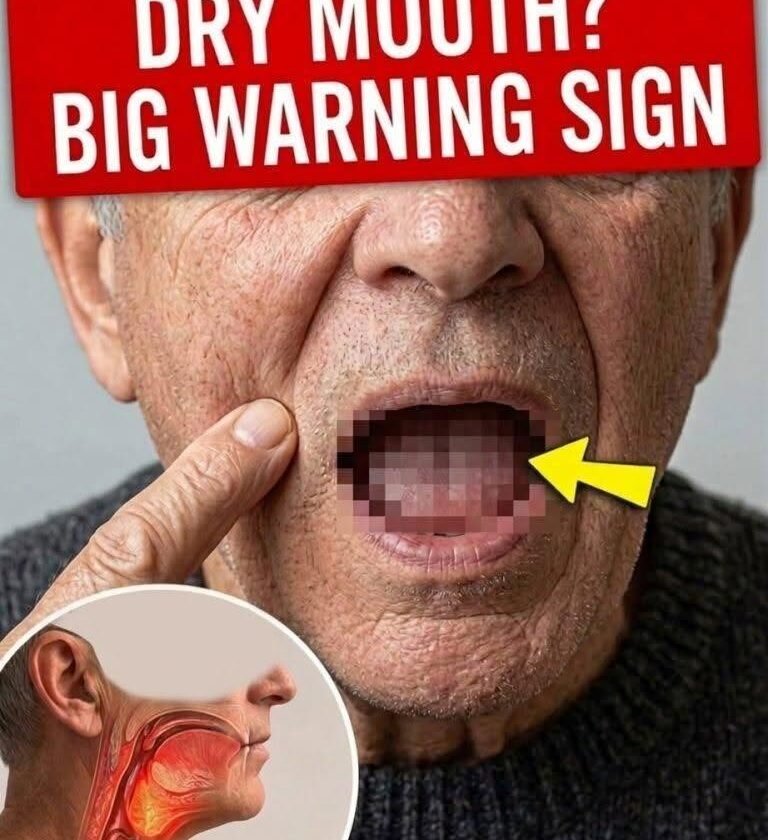
Obstructive sleep apnea (OSA): Repeated airway narrowing or pauses in breathing during sleep trigger open-mouth gasping and heavy snoring—making severe morning dry mouth and sore throat classic clues for sleep apnea.
-
Medications (the #1 medical cause of chronic dry mouth): Hundreds of common drugs reduce saliva output, including antihistamines, decongestants, blood pressure medications (diuretics, beta-blockers, ACE inhibitors), antidepressants, anxiety medications, and bladder/muscle relaxants.
-
Evening habits and bedroom environment: Low indoor humidity (especially with winter heating or heavy air conditioning), evening alcohol, late caffeine, smoking/vaping, or not drinking enough water during the day all worsen overnight dryness.
-
Systemic health conditions (less common, worth checking if persistent): Uncontrolled diabetes (high blood sugar pulls fluid out of tissues and increases urination), Sjögren’s syndrome (an autoimmune condition affecting moisture-producing glands, often causing dry eyes too), or past head/neck radiation.
Why Chronic Dry Mouth Matters (Even When the Cause Is Benign)
Practical Ways to Relieve Morning Dry Mouth
-
Clear nasal passages and humidify your room: Use a cool-mist bedside humidifier, try a saline nasal spray before bed if your nose feels stuffy, and stay steadily hydrated throughout the day rather than chugging water right before sleep.
-
Protect your teeth and stimulate moisture safely: Brush with fluoride toothpaste before bed, sip plain water on waking, use alcohol-free moisturizing mouthwash or xylitol lozenges/gum during the day, and avoid alcohol-based mouthwashes or sugary mints/hard candies (which accelerate tooth decay in a dry mouth).
-
Review your medication list: If dryness started after beginning a new prescription or allergy pill, ask your doctor or pharmacist whether timing adjustments or alternative options exist—never stop prescribed medications on your own.
When to see a doctor or dentist: Schedule a checkup if morning dry mouth persists daily for more than 2–3 weeks, makes chewing, swallowing, or speaking difficult, or is accompanied by loud snoring/gasping for air, excessive daytime sleepiness, extreme thirst and frequent urination, dry/gritty eyes, or new cavities/white patches in your mouth.