How the Salt Trick Works—and Where It Falls Short
-
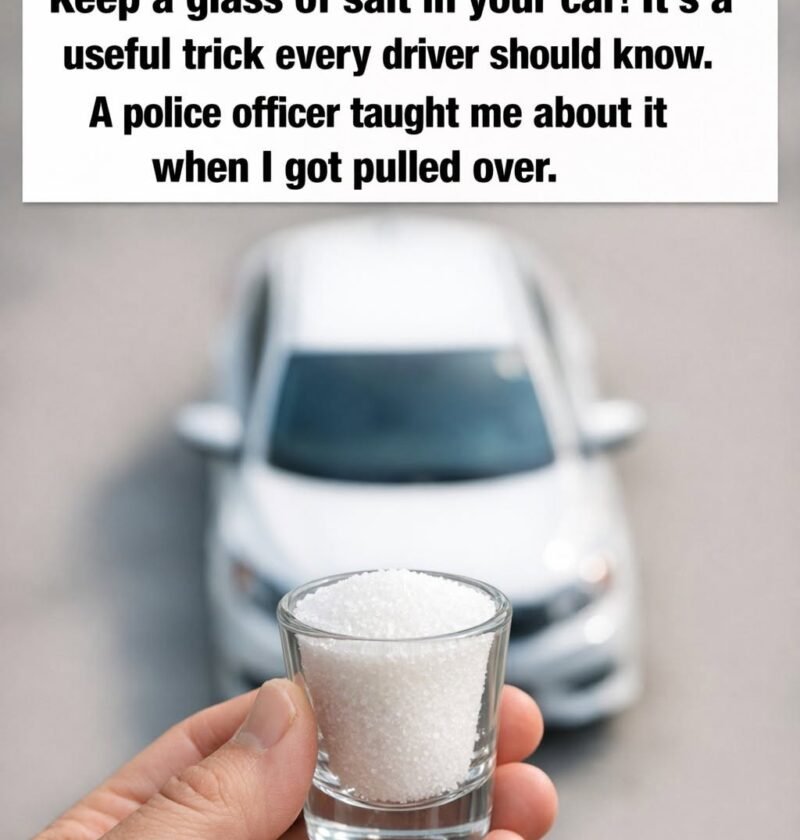
What It Can Do: When your car sits parked overnight in humid or cool weather, moisture from wet coats, umbrellas, or damp air condenses on cool glass. A wide, shallow bowl or cup of salt increases surface area exposed to the air and can help take the edge off light overnight dampness in a small cabin.
-
What It Won’t Do: A static cup of salt has slow absorption capacity and zero airflow—it cannot compete with breathing passengers, heavy rain, or soaked carpets.
-
The Spill & Rust Catch: Salt is corrosive to bare metal and electronics if water/salt brine gets into seat tracks, floor pans, or wiring. A tipped-over glass on a sharp turn or speed bump is a messy headache.
Safer, More Effective Ways to Stop Car Window Fogging
-
Use Your A/C + Defrost Together (Even in Cool Weather): Turning on the A/C compressor strips moisture out of the air before it hits the windshield, even when you set the temperature dial to warm. Pair it with the front defroster and turn off air recirculation so drier outside air can cycle through.
-
Switch to a Contained Moisture Absorber: Instead of an open glass of salt, use a dedicated reusable silica gel pack, calcium chloride moisture absorber, or a sock filled with silica kitty litter placed securely on a non-slip mat or in a cup holder/footwell—nothing loose that can launch across the cabin during braking.
-
Hunt Down Hidden Moisture Sources: Persistent fogging usually means trapped water inside. Check floor mats for dampness, shake out wet umbrellas outside, and inspect door/trunk weatherstripping or sunroof drains if the cabin always smells musty or stays damp.
-
Keep Inside Glass Clean: A thin film of dust, vape/smoke residue, or dashboard dressing on the inside of the windshield gives tiny water droplets places to cling and scatter light. Wiping the inside glass clean helps reduce stubborn haze.
If You Still Want to Try Salt Safely
-
Use a wide, shallow, heavy-based dish (not a tall, narrow glass) placed on a non-slip pad where it cannot slide into pedals or roll under seats—and remove it before driving.
-
Swap out clumped, damp salt every few days so it doesn’t sit around turning into a sticky paste.