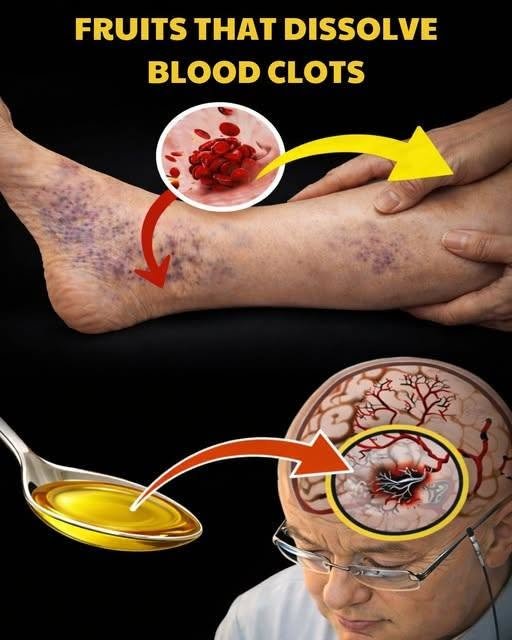
8 Fruits Often Highlighted for Vascular & Platelet Support
-
Pomegranate: Rich in punicalagins and anthocyanins, pomegranate has been studied for supporting nitric oxide activity, reducing oxidative stress on blood vessel walls, and modestly influencing platelet aggregation in small trials—though effects are subtle compared with medication.
-
Kiwifruit: Provides vitamin C, vitamin K, potassium, and polyphenols. Some small studies have looked at kiwifruit’s mild effect on platelet aggregation and blood lipids, making it a helpful heart-smart fruit alongside fiber-rich meals.
-
Berries (Blueberries, Strawberries, Blackberries): Packed with anthocyanins and fiber, berries support endothelial function and help counter vascular inflammation over time.
-
Citrus Fruits (Oranges, Grapefruit, Lemons): Supply vitamin C, potassium, and flavonoids (such as hesperidin) that support blood vessel flexibility and hydration. (Note: Grapefruit and certain other citrus can interact with specific prescription medications—including certain statins or blood thinners/drugs metabolized by CYP3A4—so check with a doctor or pharmacist.)
-
Grapes (Especially Red or Purple): Contain resveratrol and other polyphenols associated with healthy blood vessel function and mild anti-platelet activity in laboratory/early research.
-
Pineapple: Contains bromelain, a mixture of enzymes often promoted online for swelling and circulation. While bromelain has been studied for anti-inflammatory effects, dietary pineapple gives relatively modest amounts compared with concentrated supplements, and bromelain can interact with some medications or increase bleeding tendency in sensitive people.
-
Watermelon & High-Water Fruits: Watermelon provides hydration and L-citrulline, an amino acid the body uses to help produce nitric oxide for healthy blood vessel relaxation.
-
Avocado (Culinary Fruit): Delivers monounsaturated fats, potassium, and fiber that support healthy cholesterol profiles and overall cardiometabolic health.
Crucial Safety & Reality Checks
-
Food is not a substitute for clot prevention or treatment: If you have a history of deep vein thrombosis (DVT), pulmonary embolism (PE), atrial fibrillation, stroke, or heart valve issues, rely on your physician’s medical plan rather than dietary “clot busters.”
-
Watch for supplement and medication interactions: Concentrated fruit extracts, bromelain, or high-dose supplements—and sudden big swings in diet or alcohol—can interact with blood thinners or affect bleeding risk. Keep vitamin K intake consistent if you take warfarin rather than abruptly cutting out healthy foods.
-
Movement and hydration matter alongside diet: Sitting for long stretches, dehydration, smoking, and uncontrolled blood pressure or blood sugar play much bigger day-to-day roles in circulation and clot risk than any single piece of fruit.
Seek urgent medical care if you ever have signs of a blood clot—such as sudden swelling, pain, warmth, or redness in one leg, sudden shortness of breath, chest pain (especially sharper when breathing in), or coughing up blood, or sudden weakness, numbness, trouble speaking, or vision changes.