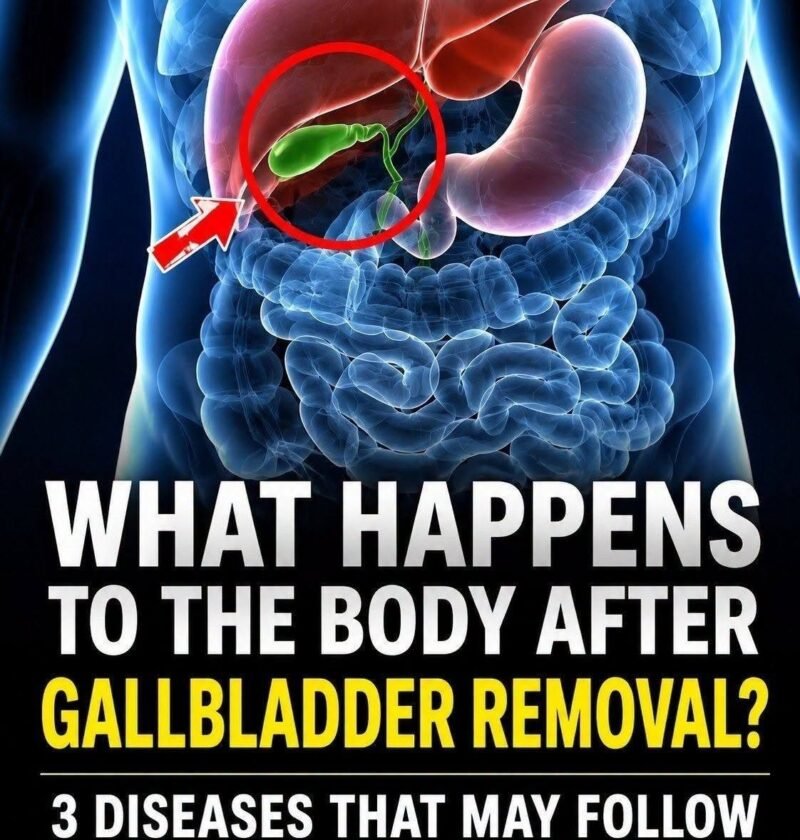
That headline touches on a major debate in modern medicine. When gallbladder surgery (cholecystectomy) is necessary—such as during an acute, dangerous gallbladder infection, a complete blockage, or severe tissue necrosis—it is a life-saving procedure. However, the internet is filled with warnings about what happens when the organ is removed, because a gallbladder is not a useless spare part; it is a vital reservoir.
When the gallbladder is gone, your body undergoes a permanent anatomical shift in how it handles digestion.
What Actually Happens to the Body After Gallbladder Removal?
Normally, your liver produces bile (which breaks down fats and fat-soluble vitamins), and your gallbladder stores that bile, concentrating it and releasing a heavy surge precisely when a fatty meal enters your small intestine.
Once the gallbladder is removed:
-
Continuous Drip: Your liver still makes bile, but with nowhere to store it, bile drips continuously and directly into your small intestine 24/7, whether you are eating or fasting.
-
Diluted Digestion: Because bile is no longer concentrated, your system struggles to process heavy or high-fat meals efficiently, which is why many people experience immediate digestive changes post-surgery.
The 3 “Diseases” and Chronic Syndromes That Can Follow
While clickbait articles often label post-surgical issues as distinct new diseases, gastroenterologists categorize them under specific physiological complications that can emerge weeks, months, or even years later:
-
Bile Acid Diarrhea (BAD) / Chronic Post-Surgical Diarrhea
-
What it is: Because excess bile drips continuously into the gut without food to bind to it, it acts as a chemical irritant to the lining of the colon. This triggers rapid contractions and unabsorbed water, resulting in chronic, urgent, watery diarrhea shortly after eating.
-
-
Post-Cholecystectomy Syndrome (PCS)
-
What it is: A recognized clinical catch-all term for patients who continue to experience upper right abdominal pain, bloating, nausea, and indigestion after their gallbladder is gone. This is often caused by retained tiny stones in the bile ducts, spasms of the muscular valve that controls bile flow (Sphincter of Oddi dysfunction), or surgical scar tissue (adhesions).
-
-
Non-Alcoholic Fatty Liver Disease (NAFLD) Shift / Metabolic Strain
-
What it is: Emerging clinical research suggests that altering the biliary system can impact systemic lipid and glucose metabolism. Without the gallbladder’s precise regulatory feedback on bile acids (which act as metabolic signaling hormones), some patients experience a higher susceptibility to fat accumulation in the liver or persistent metabolic sluggishness.
-
Should You Avoid Surgery If Possible?
The medical consensus is nuanced:
-
When you cannot avoid it: If you have gallstones causing recurrent, agonizing gallbladder attacks (biliary colic), acute inflammation (cholecystitis), infection, or a blocked duct, surgery is mandatory. Leaving a diseased or infected gallbladder in place risks a ruptured organ, severe sepsis, or life-threatening pancreatic inflammation (gallstone pancreatitis).
-
When lifestyle comes first: If gallstones are completely “silent” (discovered accidentally on a scan and never causing pain or inflammation), modern gastroenterology guidelines generally do not recommend surgery. Instead, doctors advocate managing mild biliary sludge or sluggishness through dietary changes (avoiding massive, greasy fat-bomb meals that overwork the system) and maintaining a healthy weight.
Management Tip: If you have already had your gallbladder removed and struggle with chronic digestive issues or loose stools, eating smaller, frequent low-to-moderate-fat meals and working with a doctor (sometimes utilizing bile acid sequestrants like cholestyramine) can completely resolve post-surgical discomfort.