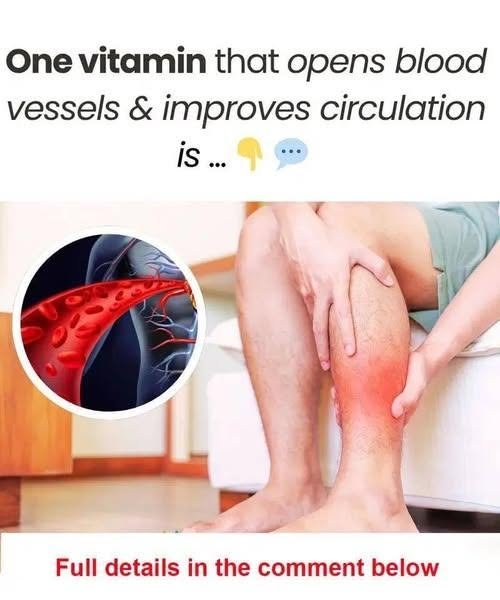
The vitamin most famous for opening blood vessels (vasodilation) and boosting circulation is Vitamin B3 (Niacin).
However, depending on whether you mean an immediate physical widening of blood vessels or long-term arterial flexibility, a few key vitamins play distinct roles—and Vitamin B3 comes with important safety caveats before taking it as a supplement.
1. Vitamin B3 (Niacin): The Direct Vasodilator
Niacin (specifically in the form of nicotinic acid) directly triggers the release of prostaglandins in the skin and blood vessels, causing tiny capillaries and blood vessels to widen rapidly.
-
The “Niacin Flush”: High doses of nicotinic acid cause a well-known temporary reaction—warmth, redness, tingling, or itching on the face, neck, and chest within 15–30 minutes—as blood rushes closer to the skin’s surface.
-
Cardiovascular Role: Historically, prescription-strength niacin was used to raise HDL (“good”) cholesterol and lower triglycerides, though modern cardiology rarely relies on high-dose niacin supplements because clinical trials showed they carry significant side effects without reducing heart attack risk beyond statin therapy.
-
Best Food Sources: Chicken breast, tuna, salmon, turkey, peanuts, mushrooms, brown rice, and fortified whole grains.
2. Other Vitamins Essential for Healthy Blood Flow
While Niacin causes immediate vessel dilation, two other vitamins protect the inner lining of your arteries (the endothelium) so blood vessels stay relaxed, clear, and responsive over time:
-
Vitamin C (Endothelial & Nitric Oxide Support): Vitamin C protects nitric oxide—the body’s primary natural molecule for relaxing and widening blood vessels—from being broken down by oxidative stress. It also strengthens collagen in blood vessel walls, preventing fragility. (Found in citrus fruits, bell peppers, guava, strawberries, and broccoli.)
-
Vitamin E (Microcirculation & Blood Flow): Acts as a fat-soluble antioxidant that prevents LDL cholesterol from oxidizing inside artery walls and helps keep blood platelets from clumping together excessively. (Found in almonds, sunflower seeds, spinach, and olive oil.)
Important Caution Before Taking Niacin Supplements
If you are looking to improve circulation (such as cold hands and feet, leg pain when walking, or blood pressure support), do not start high-dose niacin supplements without speaking to a doctor:
-
Liver & Blood Sugar Risks: High doses of over-the-counter niacin (especially “sustained-release” or “no-flush” forms) can cause liver inflammation, spike blood sugar levels, and trigger gout.
-
Medication Interactions: Niacin can amplify blood pressure medications (causing dizziness or fainting) and interact with cholesterol drugs (statins) or blood thinners.
-
Treating the Root Cause: Poor circulation is most often driven by narrowed arteries, high blood pressure, diabetes, or sedentary habits—conditions that respond far better to targeted medical care, daily walking, and nitric-oxide-boosting foods (like beets, leafy greens, garlic, and pomegranate) than to megadose vitamins.