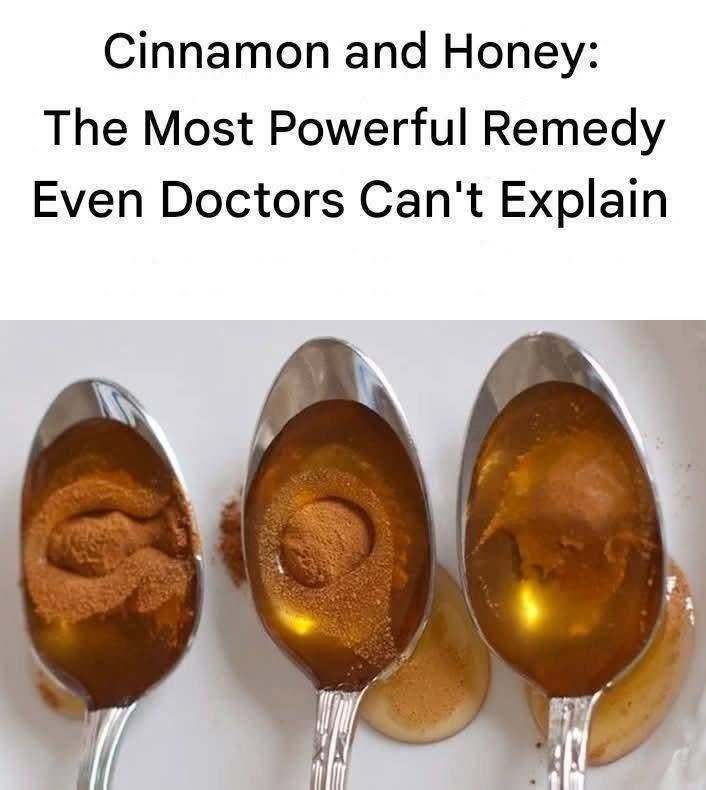
The combination of cinnamon and honey has been a staple in traditional folk medicine for centuries. Often touted as a cure-all for everything from arthritis and heart health to weight loss and common colds, this sweet pairing has captured the public’s imagination.
While modern medicine acknowledges the individual health properties of both ingredients, science offers a more grounded perspective on why this “miracle remedy” works—and where the hype outpaces the clinical evidence.
What Science Can Explain: The Power of the Ingredients Individually
While doctors might roll their eyes at viral internet claims that honey and cinnamon can cure chronic diseases overnight, they don’t dispute that both substances possess potent biological properties.
-
Honey (Especially Raw & Manuka): Honey is far more than just sugar. It contains natural antioxidants (phenolic compounds and flavonoids) that help fight oxidative stress in the body. It also possesses well-documented antibacterial, antifungal, and anti-inflammatory properties, making it effective for wound healing and soothing a sore throat.
-
Cinnamon (Cinnamaldehyde): Cinnamon is packed with antioxidants and derives its primary power from an active compound called cinnamaldehyde. Studies show cinnamon can help improve insulin sensitivity, lower blood sugar levels, and exhibit strong antimicrobial effects.
When combined, you are essentially pairing two powerful anti-inflammatory and antimicrobial agents.
Common Claims vs. Medical Reality
Popular folklore attributes numerous healing powers to the daily consumption of a honey-and-cinnamon paste (often mixed with warm water). Here is how medical science views the most common claims:
| Traditional Claim | What the Research Shows |
| Arthritis Pain Relief | Honey and cinnamon both reduce inflammation, which can theoretically ease joint discomfort. However, robust human clinical trials proving a daily tonic reverses arthritis are lacking. |
| Cholesterol & Heart Health | Some small studies suggest cinnamon may help lower LDL (“bad”) cholesterol and triglycerides. While heart-healthy, it cannot replace prescribed statins or cardiovascular treatments. |
| Weight Loss | Proponents claim it boosts metabolism. While stabilizing blood sugar (via cinnamon) can prevent energy crashes and sugar cravings, honey is still a dense source of calories and sugar. It won’t melt fat on its own. |
| Immune Booster / Colds | Honey coats the throat and calms a cough better than some over-the-counter syrups, and cinnamon fights microbes. This is one claim where traditional wisdom largely aligns with science. |
Why Doctors Can’t “Fully Explain” It
When people say doctors can’t explain this remedy, it usually stems from a few factors:
-
Synergistic Effects: Medicine often studies isolated compounds (e.g., pure cinnamaldehyde or isolated honey enzymes) rather than complex food combinations, making it hard to quantify how they interact in the human digestive tract.
-
The Placebo Effect & Anecdotal Success: Because both ingredients genuinely soothe minor inflammation, calm coughs, and aid digestion, users experience real relief. This personal success fuels broader, less scientifically backed health claims.
-
Lack of Large-Scale Clinical Trials: Pharmaceutical companies rarely fund multi-million dollar clinical trials on kitchen spices and pantry items, leaving many traditional claims unverified by gold-standard research.
A Word of Caution: Not All Cinnamon is Equal
If you decide to try a honey and cinnamon tonic (such as a teaspoon of raw honey and a dash of cinnamon in warm water), keep two important safety tips in mind:
-
Watch the Cinnamon Type: Supermarket cinnamon is often Cassia cinnamon, which contains high levels of a compound called coumarin. In large, regular doses, coumarin can cause liver damage. Look for Ceylon cinnamon (“true cinnamon”), which is much safer for daily use.
-
Sugar Content: Honey is still sugar. Diabetics or those watching their caloric intake should consume it in moderation, as it will impact blood glucose levels.