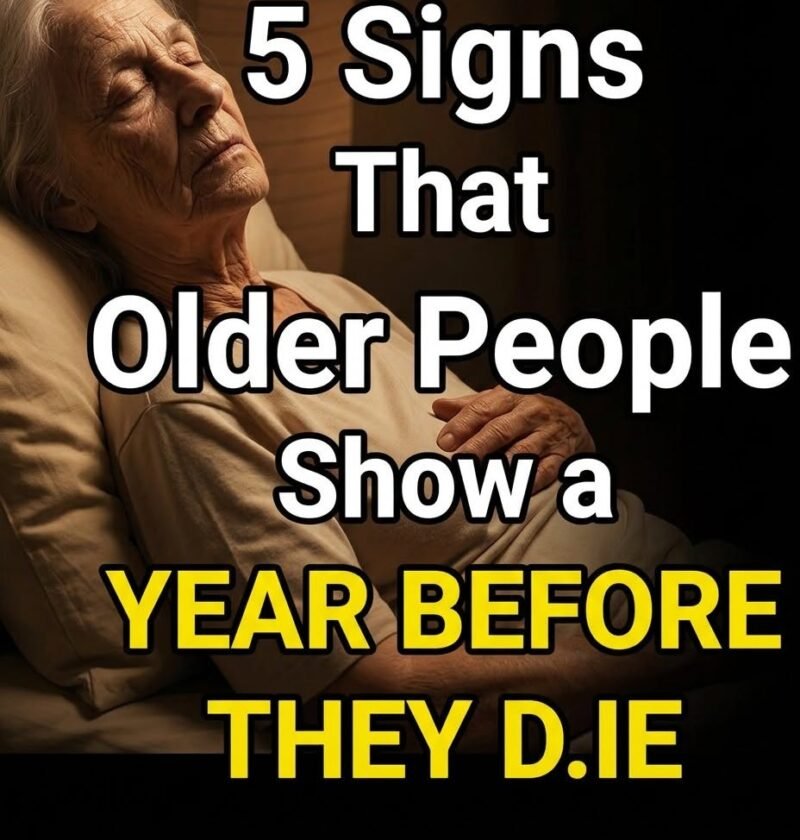
When social media algorithms flash dramatic headlines warning about “5 signs that an elderly person may be in their last year of life” or pointing to “subtle warnings you shouldn’t ignore” in the comments, it triggers an understandably heavy emotional chord. Aging, mortality, and the delicate transition of end-of-life care are deeply sensitive topics, which is precisely why clickbait pages exploit them for engagement and comments.
While viral posts frame these changes as mysterious countdowns, palliative care physicians, geriatricians, and hospice specialists recognize a distinct, medically documented physiological process. As the human body reaches the final stages of life, it undergoes a natural, gradual systemic slowing.
Here is the clinical reality behind the most common physical and behavioral shifts observed in the final phase of life, stripped of sensationalism.
1. Profound Progressive Fatigue and Decreased Mobility
-
What Viral Posts Say: “They suddenly don’t want to get out of bed.”
-
The Clinical Reality: As metabolic reserves and organ function naturally decline, the body simply no longer has the caloric or cardiovascular energy to sustain full daily activity. This manifests as spending significantly more time sleeping, resting, or sitting in a favorite chair. It is not merely “laziness” or stubbornness; it is profound, systemic exhaustion.
2. Significant Decreased Appetite and Intake (Weight Loss)
-
What Viral Posts Say: “They stop eating and lose their appetite completely.”
-
The Clinical Reality: This is often one of the hardest signs for families to witness. In the final stage of life, the digestive system slows down drastically, and the body naturally stops processing or craving large amounts of food and water because it requires less energy. Forcing or coaxing an elderly loved one to eat can actually cause digestive distress; instead, small, comforting sips or moisture for dry lips are preferred.
3. Increased Social Withdrawal and Detachment
-
What Viral Posts Say: “They start withdrawing from family and losing interest in everything.”
-
The Clinical Reality: As energy dwindles, the brain prioritizes its remaining internal resources. External stimulation—socializing, conversation, television, or busy environments—becomes overwhelming. This withdrawal is a natural emotional and physical conservation of energy as a person turns inward.
4. Subtle Cognitive Shifts and Delirium
-
What Viral Posts Say: “Sudden confusion or talking to people who aren’t there.”
-
The Clinical Reality: Mild confusion, disorientation, or altered sleep-wake cycles are very common in late-stage aging or as organs experience minor shifts in perfusion and oxygenation. While severe confusion always warrants checking for reversible triggers like a urinary tract infection (UTI) or medication side effects, a general slowing of cognitive processing and vivid dreaming or memory lapses often accompany the end-of-life transition.
5. Changes in Breathing Patterns and Circulation
-
What Viral Posts Say: “Breathing changes and hands and feet get cold.”
-
The Clinical Reality: As the cardiovascular system gradually winds down, circulation prioritizes the core organs. This causes hands, feet, and lower legs to feel cool to the touch and sometimes appear pale or slightly mottled. Additionally, breathing patterns may become more irregular, sometimes shifting between shallow breaths and brief pauses (known medically as Cheyne-Stokes respiration) as the respiratory center adjusts.
How to Approach These Signs with Compassion
When families notice these shifts in an aging parent or grandparent, it is rarely a sudden cliff, but rather a slow, natural decline.
-
Focus on Comfort: The primary goal shifts entirely from aggressive intervention to palliative comfort—ensuring pain is managed, the room is quiet and peaceful, and loved ones are present to offer reassurance.
-
Consult a Healthcare Professional: Always have a geriatrician or primary care doctor evaluate new, acute changes. Many symptoms (like confusion or sudden weakness) can actually stem from treatable conditions like dehydration, infections, or medication interactions rather than an end-of-life transition.