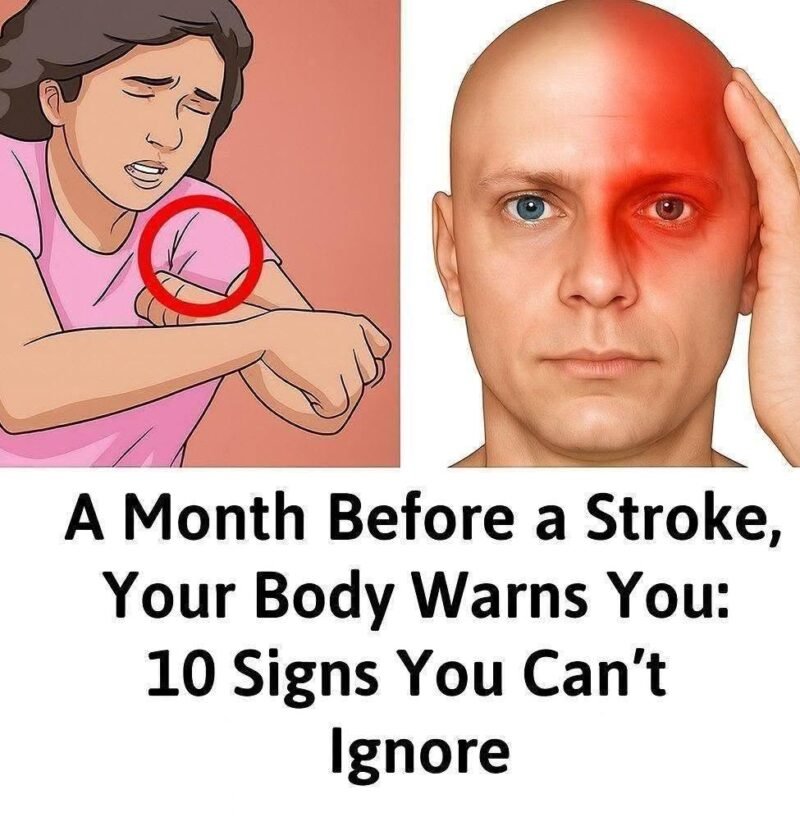
Clickbait health headlines love to frame sudden medical emergencies as having a precise, predictable countdown, often sensationalizing common aches or minor fatigue into terrifying warnings.
While a stroke is a critical medical emergency, the reality is more nuanced. Some strokes happen completely out of the blue, but many people do experience transient or subtle neurological warning signs in the days or weeks leading up to a major event—most notably Transient Ischemic Attacks (TIAs), often called “ministrokes.” A TIA occurs when blood flow to part of the brain is temporarily blocked, causing stroke-like symptoms that typically resolve within minutes to an hour.
Medical professionals stress that ignoring these symptoms because they “go away” is dangerous. Here is what you actually need to know about the body’s vascular warnings and the signs not to ignore.
The Classic Stroke Signs (FAST)
Whether it happens weeks before a major stroke or right at the moment of one, the most reliable clinical indicators are encapsulated by the FAST acronym:
-
F – Face Drooping: Does one side of the face droop, or is it numb? If the person smiles, is the smile uneven?
-
A – Arm Weakness: Is one arm weak or numb? If the person tries to raise both arms, does one drift downward?
-
S – Speech Difficulty: Is speech slurred, are they unable to speak, or are they hard to understand? Can they repeat a simple sentence correctly?
-
T – Time to Call Emergency Services: If you observe any of these signs—even if they go away after a few minutes—call emergency services immediately. A TIA is a major medical warning sign that a full stroke may follow.
Subtle or Preceding Warning Signs Often Overlooked
In the days or weeks leading up to a vascular event, subtle neurological flags can sometimes appear as blood flow fluctuates or small clots temporarily disrupt brain function:
-
Sudden, Unexplained Dizziness or Loss of Balance: Feeling abruptly unsteady on your feet, experiencing vertigo, or losing coordination, especially when paired with any of the FAST symptoms.
-
Sudden Vision Changes: A sudden blurring, double vision, or a sudden loss of vision in one or both eyes.
-
Sudden Severe Headache: A “thunderclap” headache—an intense, blinding headache unlike anything you have ever experienced before, often described as the worst headache of your life, which can indicate bleeding in the brain.
-
Sudden Confusion or Trouble Comprehending: Experiencing a brief, unexpected moment of disorientation, trouble understanding speech, or sudden difficulty finding your words.
-
Sudden Numbness on One Side: A sudden onset of numbness or tingling specifically affecting one entire side of the body (face, arm, or leg).
-
Unexplained Fatigue or General Weakness: While general fatigue has many benign causes, a sudden, profound neurological exhaustion or heavy feeling on one side of the body should never be dismissed.
The Bottom Line
If you or someone near you experiences sudden neurological deficits—even if they vanish within 10 minutes—do not wait to see if they come back. A TIA is your body flashing a critical warning light, giving you a window of opportunity to intervene medically, adjust medications, clear carotid artery blockages, and prevent a permanent, life-altering stroke.