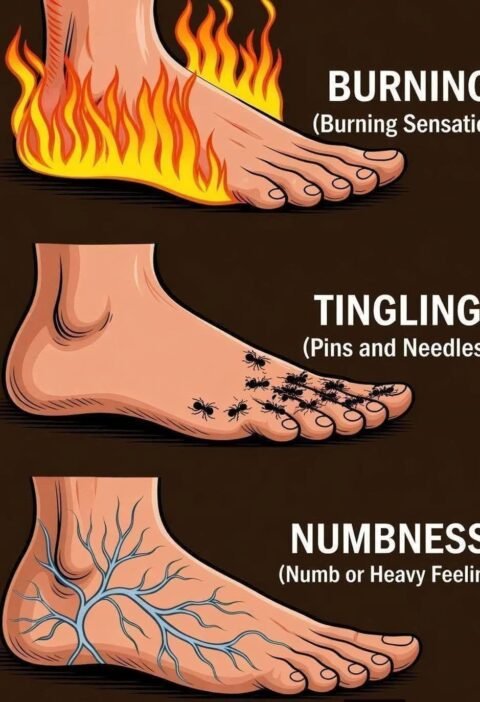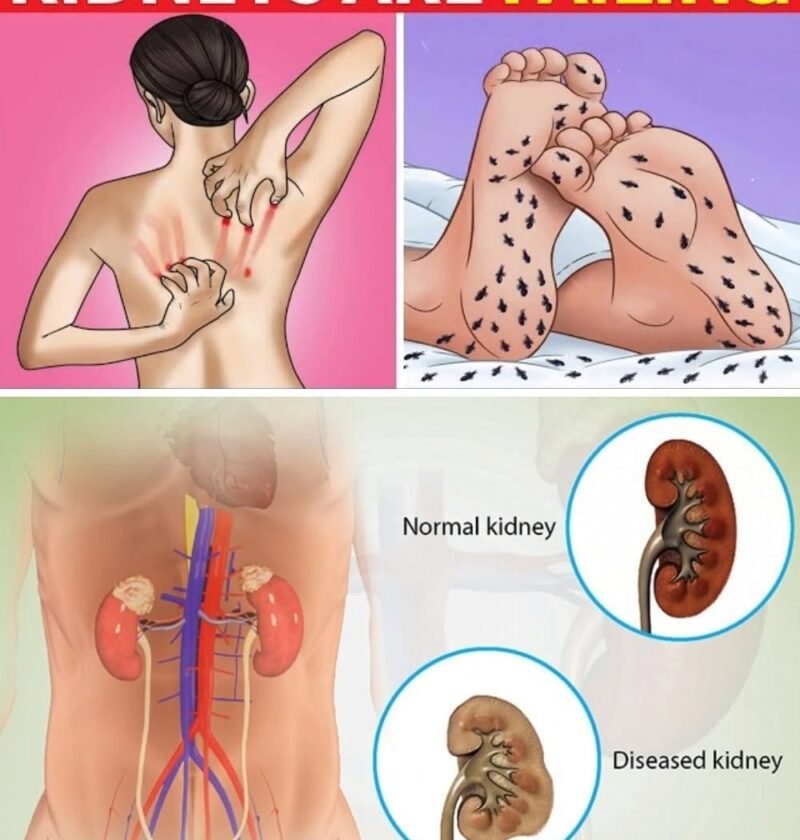
Your kidneys are incredible, hardworking filters. Day in and day out, they clean about 200 quarts of blood, remove waste, balance electrolytes, regulate blood pressure, and help produce red blood cells.
The catch? Chronic Kidney Disease (CKD) is often called a “silent disease.” In its early stages, it rarely causes symptoms. Your kidneys can lose a significant amount of function before you notice anything is wrong, which is why recognizing subtle, creeping changes is so critical.
The 13 Alarming Signs of Chronic Kidney Disease
When kidney function drops or waste products build up in the bloodstream, your body sends out warning signals. Here are 13 signs that warrant a conversation with your doctor:
-
Changes in Urination Frequency
-
The sign: Feeling the need to urinate more often, particularly in the middle of the night (nocturia). This happens when the kidneys’ filtering capacity is damaged, reducing their ability to concentrate urine.
-
-
Foam or Bubbles in the Urine
-
The sign: Excessive bubbling in the toilet—so much that you have to flush multiple times. This usually indicates proteinuria (protein leaking into the urine), which happens when the tiny filtering units (glomeruli) are damaged.
-
-
Blood in the Urine
-
The sign: Urine that appears pink, brown, or red. Healthy kidneys normally keep blood cells inside the body, but if filters are damaged, they can leak into the urine. (Note: This can also indicate a UTI or kidney stones, but always requires medical evaluation).
-
-
Swelling (Edema) in the Feet, Ankles, or Legs
-
The sign: Puffy, swollen lower extremities. Failing kidneys cannot rid the body of extra sodium and fluid efficiently, leading to fluid retention and water weight pooling in your lower limbs.
-
-
Persistent Puffiness Around the Eyes
-
The sign: Periorbital edema—swelling or bags around your eyes, especially noticeable in the morning. This is another hallmark sign of heavy protein leaking into the urine rather than staying in the blood.
-
-
Chronic Fatigue and Extreme Exhaustion
-
The sign: Feeling completely drained, weak, or struggling to get through the day. Healthy kidneys make a hormone called erythropoietin (EPO), which tells your body to make oxygen-carrying red blood cells. When kidneys fail, EPO drops, leading to anemia and deep exhaustion.
-
-
Itchy, Dry, or Irritated Skin
-
The sign: Persistent, maddening itchiness that doesn’t go away with lotion. When kidneys can no longer keep the right balance of minerals and nutrients in your blood, a buildup of phosphorus and waste products in the bloodstream can severely irritate nerve endings in the skin.
-
-
Metallic Taste in the Mouth or Ammonia Breath
-
The sign: Food tasting “off” or metallic, or developing bad breath (uremic fetor). As waste products build up in the blood (a condition called uremia), it changes how things taste and can cause a foul taste or odor.
-
-
Nausea and Vomiting
-
The sign: A general sour stomach, loss of appetite, or nausea, particularly in the mornings. This is also a byproduct of severe waste accumulation (uremia) affecting the digestive tract.
-
-
Shortness of Breath
-
The sign: Catching your breath after minimal exertion, or feeling like you can’t get a deep breath. This can happen for two reasons related to kidney failure: fluid building up in the lungs, or severe anemia starving your body of oxygen.
-
-
Feeling Cold All the Time
-
The sign: Chills or feeling cold in a room where everyone else is comfortable. Anemia caused by kidney disease can make you feel chronically cold right down to your bones.
-
-
Trouble Concentrating and “Brain Fog”
-
The sign: Difficulty focusing, memory slips, or mental sluggishness. Like fatigue, this is frequently tied to brain cells not receiving enough oxygen due to kidney-related anemia.
-
-
High Blood Pressure (Hypertension)
-
The sign: Blood pressure readings that creep up and become hard to control. High blood pressure is both a primary cause of kidney disease and a result of it, creating a dangerous feedback loop because damaged kidneys struggle to regulate blood pressure fluid levels.
-
Who Is Most at Risk?
You should be especially vigilant about routine kidney screenings (a simple blood test for creatinine/eGFR and a urine test for albumin) if you have:
-
Diabetes (the leading cause of CKD)
-
High Blood Pressure (the second leading cause)
-
A family history of kidney failure
-
Cardiovascular disease
-
Age over 60