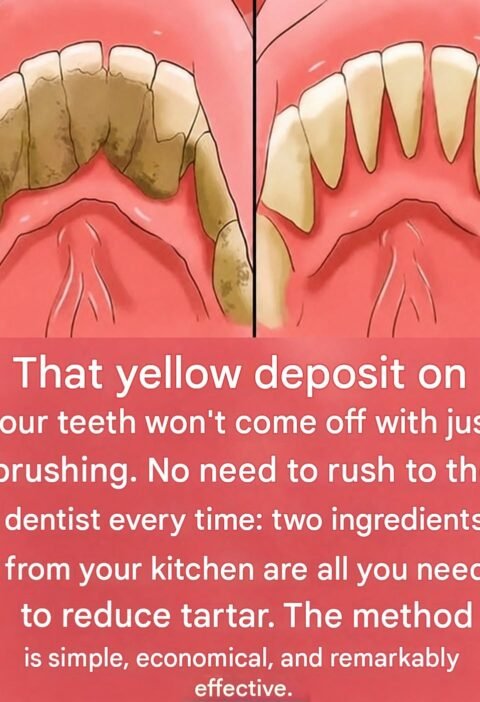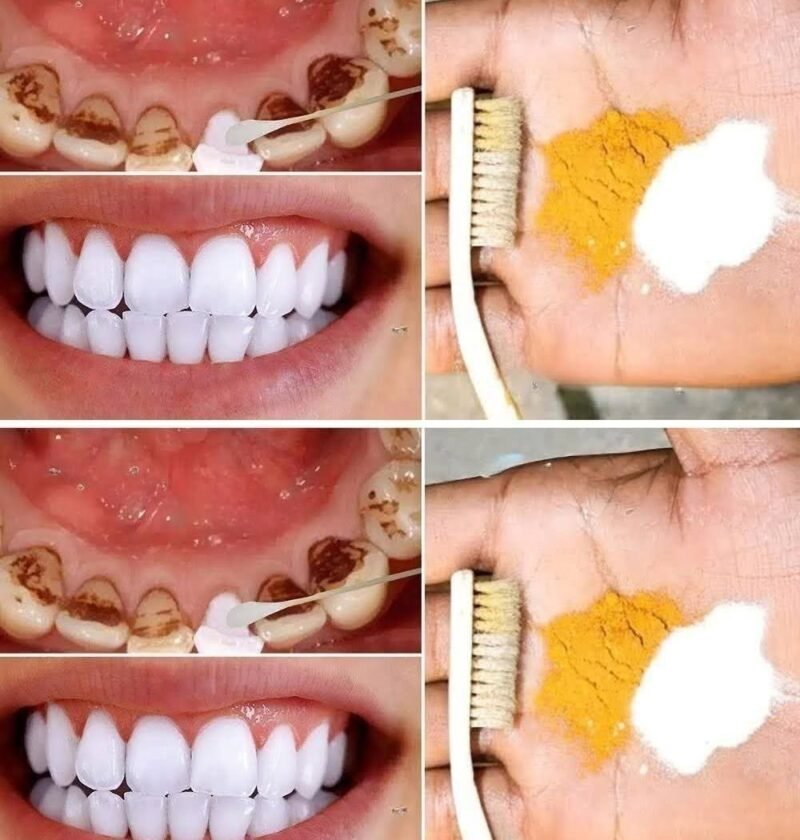
The promise of a brilliant, whiter smile in just 2 minutes is a very popular hook online, but it helps to separate quick surface cleaning from actual tooth bleaching.
Here is a breakdown of what a “2-minute home method” can and cannot do, along with how to keep your enamel safe:
Can You Really Whiten Teeth in 2 Minutes?
-
What it can do (Surface Refresh): Brushing with a whitening toothpaste, baking soda paste, or using a mouth rinse for two minutes can help polish away fresh surface stains (like those from coffee, tea, or dark foods) and clear away dulling plaque. It provides a quick, temporary clean look.
-
What it cannot do (Deep Bleaching): True whitening requires active bleaching agents (like hydrogen or carbamide peroxide) to break down deeply embedded stains inside the tooth. Chemical whitening takes contact time—usually 15 to 30 minutes per session over the course of a week or two—to safely alter the natural shade of your teeth.
Common DIY 2-Minute Methods (and Their Risks)
Social media often promotes quick DIY hacks, but some can be harmful if used incorrectly:
-
Baking Soda: It has mild abrasive properties that can buff away surface stains. However, scrubbing too hard or using it too frequently can wear down your protective tooth enamel over time.
-
Acids (Lemon Juice or Vinegar): Frequently mixed with baking soda in online recipes, acids quickly erode enamel. Once enamel is lost, it does not grow back, and it actually exposes the yellower dentin underneath.
-
Charcoal Powders: Highly abrasive, charcoal can scratch enamel and leave teeth more vulnerable to staining in the long run.
Safe Habits for a Brighter Smile
If you want to whiten your teeth at home safely and effectively, keep these tips in mind:
-
Prioritize Enamel Safety: Choose a dentist-approved whitening toothpaste that carries a seal of acceptance (like the ADA seal). These use carefully controlled polishing agents and fluoride to protect your teeth.
-
Use Proven Over-the-Counter Products: If you want noticeable results, peroxide-based whitening strips used according to package directions are generally more effective and safer for your gums than harsh DIY concoctions.
-
Watch for Sensitivity: If your teeth start feeling “zaps” of cold sensitivity or your gums look irritated, pause the treatment immediately.
-
Protect After Eating: Avoid highly pigmented foods and drinks (like red wine, coffee, or berries) immediately after trying to clean or whiten your teeth, as they absorb more easily when pores are freshly polished.
Are you looking to freshen up your smile for a specific event, or are you trying to manage stubborn stains from coffee or tea?