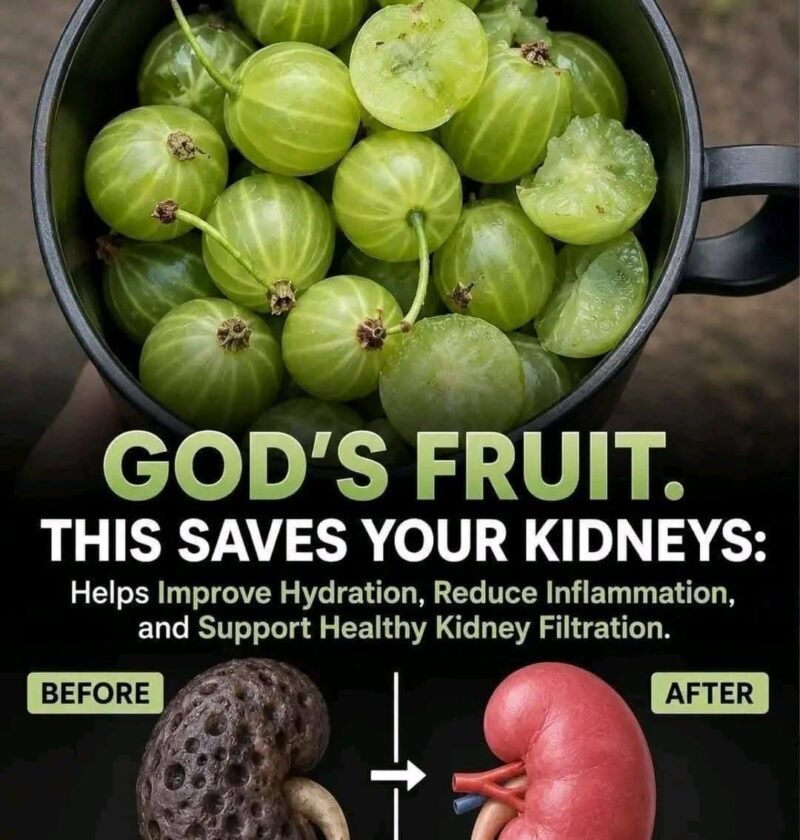
Catchy health headlines love to declare certain foods as the “king of all fruits” that can “instantly cleanse” organs and “flush out toxins fast.”
In reality, your body doesn’t need to be “cleansed” by a miracle fruit—because you have two sophisticated, highly efficient filtration systems built right into you: your liver and your kidneys.
How Your Kidneys Actually Work
Unlike the dramatic claims made in viral wellness articles, your kidneys don’t hold onto “toxins” waiting for a special juice or fruit to flush them out.
-
Continuous Filtration: Your kidneys filter about 150 quarts of blood every single day, removing waste products, excess water, and metabolic byproducts, which are then excreted as urine.
-
Self-Regulating: They tightly manage your body’s fluid balance, electrolytes (like sodium, potassium, and phosphorus), and blood pressure on their own, 24/7.
The Real Role of Fruits in Kidney Health
While no fruit “instantly cleanses” anything, eating water-rich, nutrient-dense fruits supports overall kidney function as part of a healthy lifestyle:
-
Hydration: Fruits like watermelon, berries, and citrus provide high water content, helping you stay hydrated so your kidneys can easily produce urine and pass waste.
-
Antioxidants and Potassium Balance: Whole fruits provide vitamins and antioxidants that reduce oxidative stress on blood vessels, including the tiny blood vessels (nephrons) inside the kidneys.
A Crucial Warning for Kidney Health
While eating fresh fruit is great for most people, if you have chronic kidney disease (CKD) or reduced kidney function, “healthy” foods can become dangerous.
The Potassium and Phosphorus Risk: Damaged kidneys struggle to filter out minerals like potassium and phosphorus. Eating excessive amounts of certain fruits (like bananas, oranges, melons, or tomatoes) can cause dangerous levels of potassium to build up in the blood—a condition called hyperkalemia, which can lead to serious heart rhythm problems.
Bottom Line
Your kidneys don’t need a fast-acting flush or a “king fruit” cure; they need steady hydration, balanced blood pressure, controlled blood sugar, and a diet tailored to your actual medical needs. If you have any concerns about your kidney function, always rely on lab tests and guidance from a nephrologist or physician rather than internet detox claims.