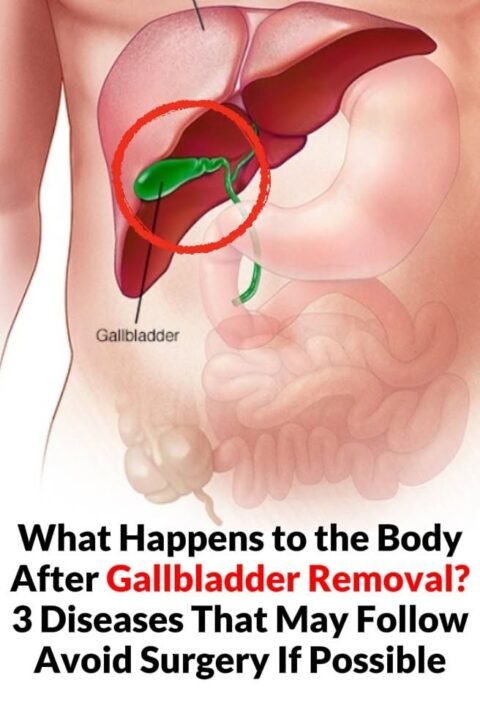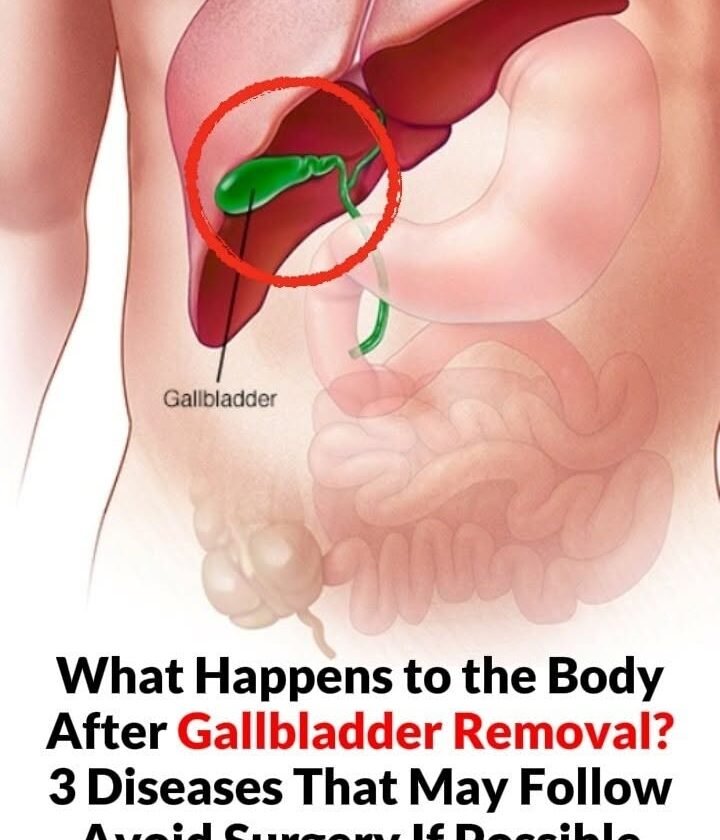
The gallbladder is a small, pear-shaped organ located under the liver. Its primary job is to store and concentrate bile—a fluid produced by the liver that helps digest fats.
When a gallbladder is removed (a procedure called a cholecystectomy), the body must adapt to functioning without a storage reservoir for bile.
What Happens to the Body After Gallbladder Removal?
Normally, when you eat fat, the gallbladder contracts to release a concentrated burst of bile into the small intestine. Without a gallbladder:
-
Continuous Flow: Bile drips continuously and directly from the liver into the small intestine.
-
Lower Concentration: Because there is no storage organ to concentrate it, the bile is more dilute.
-
Digestive Adjustment: For most people, the liver gradually takes over by adjusting the baseline flow of bile, and the body adapts with few long-term issues. However, because the system is less regulated, some individuals experience changes in fat digestion and bowel habits.
3 Conditions or Syndromes Sometimes Associated with Post-Cholecystectomy
While not everyone experiences complications, several digestive issues can follow gallbladder removal:
-
Post-Cholecystectomy Syndrome (PCS)
-
What it is: A broad term for symptoms that persist or develop after surgery, mimicking the original gallbladder problem.
-
Symptoms: Upper right abdominal pain, indigestion, nausea, gas, bloating, and intolerance to fatty foods.
-
Causes: It can be caused by retained gallstones in the bile ducts, inflammation of the bile ducts, or sphincter of Oddi dysfunction (spasms of the muscle that regulates bile flow into the intestine).
-
-
Bile Acid Diarrhea (BAD) / Bile Acid Malabsorption
-
What it is: Because bile is now constantly trickling into the intestines rather than being released only when fat is present, it can overwhelm the lower intestine’s ability to reabsorb it.
-
Symptoms: Chronic, watery, or urgent diarrhea, often accompanied by cramping.
-
Management: Often managed with dietary adjustments or medications called bile acid sequestrants that bind excess bile.
-
-
Non-Alcoholic Fatty Liver Disease (NAFLD) / Metabolic Shifts
-
What it is: Some observational studies suggest an association between gallbladder removal and a higher risk of metabolic changes, including alterations in lipid (fat) metabolism and an increased predisposition to fat accumulation in the liver.
-
Why it happens: The gallbladder plays a role in regulating certain metabolic and hormonal signals related to bile acids and glucose/lipid processing. Removing it can subtly influence how the body processes fats and cholesterol.
-
Can You Always Avoid Surgery?
While lifestyle changes, hydration, and dietary modifications (such as reducing high-fat intake) can sometimes manage mild or asymptomatic gallstones, surgery is often necessary and life-saving in certain scenarios.
When Surgery is Unavoidable: If gallstones cause acute inflammation of the gallbladder (cholecystitis), block the bile ducts, trigger severe infections (cholangitis), or cause pancreatitis, removing the gallbladder is the standard medical treatment to prevent life-threatening complications.
If you are experiencing symptoms like severe abdominal pain, fever, or jaundice, a physician can help determine whether surgery is required or if conservative management is appropriate for your situation.