Metoprolol is a beta-blocker commonly prescribed to treat high blood pressure, chest pain (angina), and heart failure, as well as to improve survival after a heart attack. Like all medications, it can cause side effects.
Here are 10 important side effects of metoprolol that you should know, categorized from common to more serious:
Common Side Effects
These side effects are typically mild and often improve as your body adjusts to the medication.
-
Fatigue and Dizziness
-
Why it happens: By slowing down your heart rate and reducing the force of your heart’s contractions, metoprolol decreases the workload on your heart, which can temporarily leave you feeling tired or lightheaded—especially when standing up quickly.
-
-
Cold Hands and Feet
-
Why it happens: Beta-blockers can reduce blood circulation to the extremities (hands and feet), making them feel unusually cold.
-
-
Slow Heart Rate (Bradycardia)
-
Why it happens: This is a direct pharmacological effect of the drug. While a mildly lower heart rate is expected and therapeutic, an excessively slow heart rate (often below 50 beats per minute) can cause dizziness or fainting.
-
-
Digestive Upset (Nausea, Diarrhea, or Constipation)
-
Why it happens: Gastrointestinal changes can occur as the body adjusts to altered autonomic nervous system signaling. Taking metoprolol with or immediately following a meal can often help minimize stomach upset.
-
-
Sleep Disturbances (Insomnia or Vivid Dreams)
-
Why it happens: Metoprolol can cross the blood-brain barrier, which may occasionally affect sleep patterns, cause trouble falling asleep, or lead to vivid dreams and nightmares.
-
Serious or Important Side Effects
These require medical attention if they occur or persist.
-
Worsening Heart Failure Symptoms
-
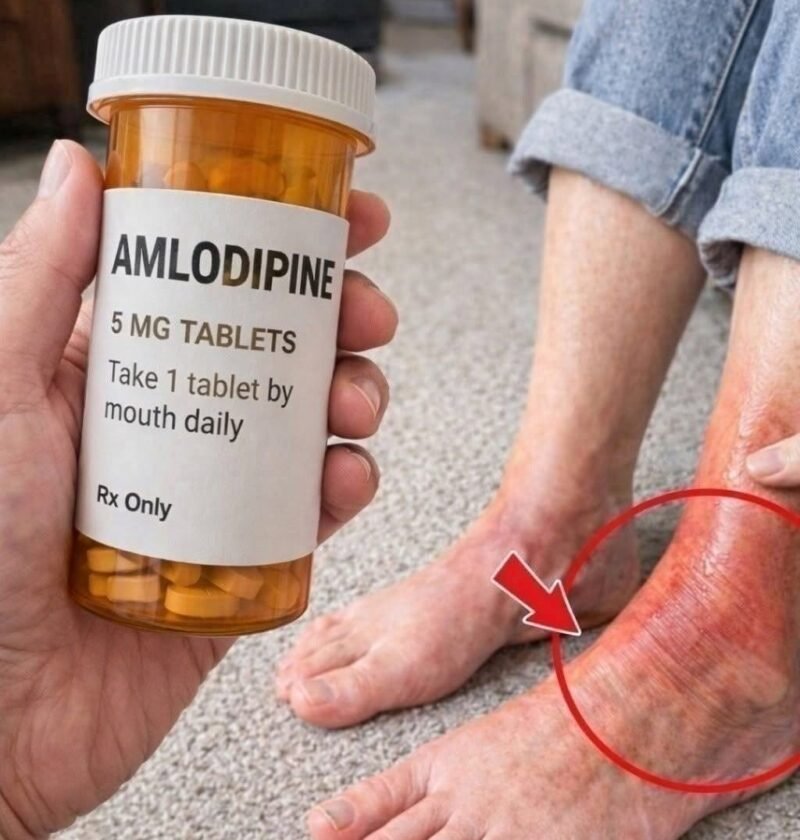
Why it happens: Paradoxically, while metoprolol is used to treat heart failure, starting the medication or increasing the dose can occasionally cause fluid retention, sudden weight gain, shortness of breath, or increased swelling in the legs and ankles.
-
-
Depression and Mood Changes
-
Why it happens: Changes in central nervous system neurotransmitters can sometimes contribute to depressive symptoms, mood swings, or lethargy.
-
-
Masking Signs of Low Blood Sugar (Hypoglycemia)
-
Why it happens: If you take medications for diabetes, metoprolol can mask warning signs of low blood sugar, such as a rapid heart rate (palpitations) and shakiness. However, it typically does not mask sweating.
-
-
Shortness of Breath or Wheezing (Bronchospasm)
-
Why it happens: Though metoprolol is cardioselective (mostly targeting the heart), at higher doses it can affect receptors in the lungs, potentially triggering breathing difficulties in people with asthma or chronic obstructive pulmonary disease (COPD).
-
-
Severe Allergic Reactions (Rare)
-
Why it happens: As with any medication, some individuals may experience hypersensitivity reactions, presenting as a rash, hives, itching, or swelling of the face, lips, and tongue.
-
Important Safety Warning: Never Stop Suddenly
Do not stop taking metoprolol abruptly. Stopping suddenly can cause a dangerous rebound effect, leading to a sharp spike in blood pressure, severe chest pain (angina), or an increased risk of a heart attack. If you need to stop or change your dose, your doctor will taper it down gradually over several weeks.