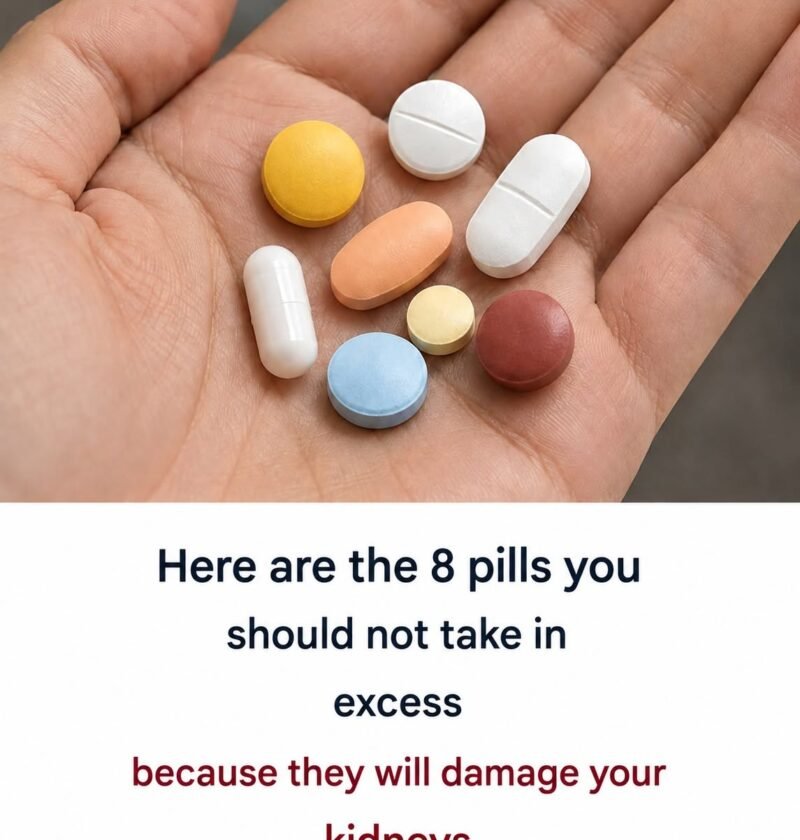
Protecting your kidneys is vital because these hardworking organs filter waste, balance fluids, and regulate blood pressure. Certain medications—particularly when taken frequently, in high doses, or over long periods—can reduce blood flow to the kidneys or directly damage their delicate filtering units (nephrons).
8 Types of Pills and Medications That Can Harm Your Kidneys
-
Nonsteroidal Anti-Inflammatory Drugs (NSAIDs)
-
Examples: Ibuprofen (Advil, Motrin), Naproxen (Aleve), and high-dose Aspirin.
-
Why they are risky: NSAIDs reduce blood flow to the kidneys by inhibiting prostaglandins, hormones that keep blood vessels in the kidneys dilated. Regular or prolonged use can cause acute kidney injury or chronic kidney disease, especially in older adults or those with existing kidney issues.
-
-
Proton Pump Inhibitors (PPIs)
-
Examples: Omeprazole (Prilosec), Lansoprazole (Prevacid), Esomeprazole (Nexium).
-
Why they are risky: Widely used for acid reflux and heartburn, long-term daily use of PPIs has been linked in numerous studies to an increased risk of chronic kidney disease and acute interstitial nephritis (sudden kidney inflammation).
-
-
Certain Antibiotics
-
Examples: Aminoglycosides (like gentamicin), vancomycin, and certain penicillins or cephalosporins.
-
Why they are risky: Some powerful antibiotics can be toxic to kidney tissue (nephrotoxic), particularly if doses are not carefully monitored via blood tests in hospital or clinical settings.
-
-
Lithium
-
Examples: Prescribed for bipolar disorder.
-
Why they are risky: Lithium requires strict blood-level monitoring. Long-term use can directly affect how the kidneys concentrate urine, sometimes leading to a condition called nephrogenic diabetes insipidus or chronic tubulointerstitial nephropathy.
-
-
ACE Inhibitors and ARBs (When Combined or Dehydrated)
-
Examples: Lisinopril, Losartan (commonly prescribed for high blood pressure and heart failure).
-
Why they are risky: While these medications are generally protective for the kidneys in the long run, they can temporarily reduce filtration pressure. If a patient becomes severely dehydrated or combines them with NSAIDs, they can trigger acute kidney injury.
-
-
Contrast Dyes (Used in Medical Imaging)
-
Examples: Iodinated dyes used in CT scans or angiograms (often administered intravenously rather than as a pill, but a major medication-related risk).
-
Why they are risky: These dyes can cause contrast-induced nephropathy, sharply reducing kidney function temporarily, particularly in individuals with pre-existing diabetes or reduced kidney function.
-
-
Diuretics (“Water Pills”)—When Misused
-
Examples: Furosemide (Lasix), Hydrochlorothiazide.
-
Why they are risky: While essential for managing fluid overload or high blood pressure, abusing diuretics (such as for weight loss or detoxing) leads to severe dehydration and electrolyte imbalances, starving the kidneys of adequate blood volume.
-
-
Over-the-Counter Laxatives (Excessive Use)
-
Examples: High-dose sodium phosphate or magnesium-based laxatives used excessively.
-
Why they are risky: Overuse can cause severe electrolyte disturbances and profound dehydration, putting acute strain on kidney function.
-
Safe Medication Practices: Never stop a prescribed medication without talking to your doctor first. If you regularly rely on over-the-counter pain relievers like ibuprofen or acid reducers like omeprazole, discuss safer alternatives or lower effective doses with a healthcare professional, especially if you have high blood pressure or diabetes.