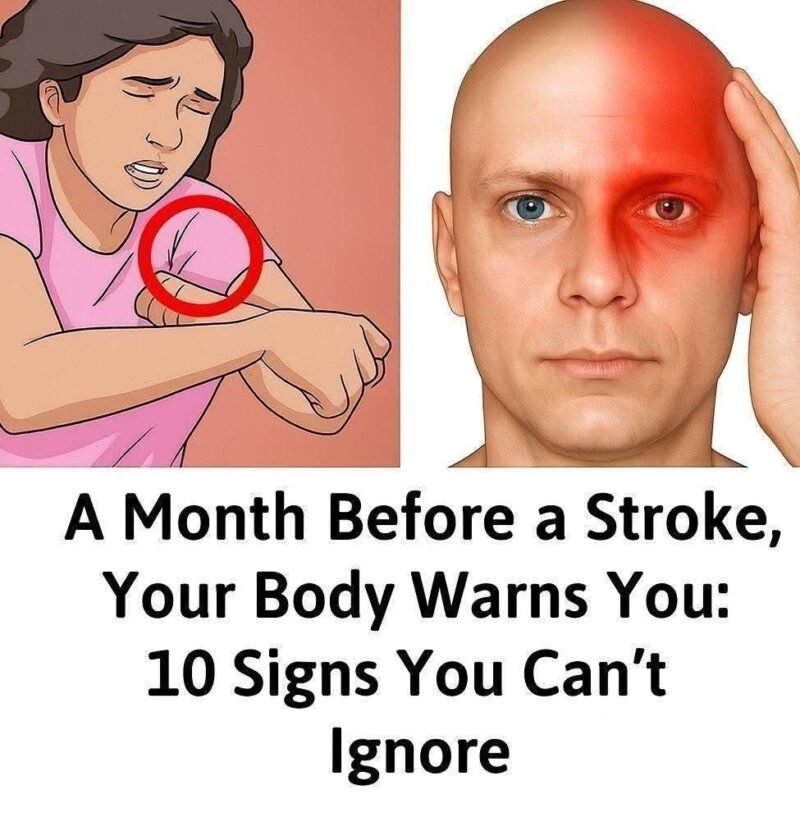
While many strokes strike with sudden and dramatic onset, research and clinical observations show that the body often sends subtle, early warning signs weeks or even a month beforehand. These prodromal symptoms occur when blood flow to the brain is temporarily or partially compromised (often referred to as transient ischemic attacks or pre-infarct warning signs), giving a crucial window for intervention.
Recognizing these pre-stroke red flags can help you or a loved one seek medical evaluation before a major stroke occurs. Here are 10 early warning signs the body may exhibit up to a month before a stroke:
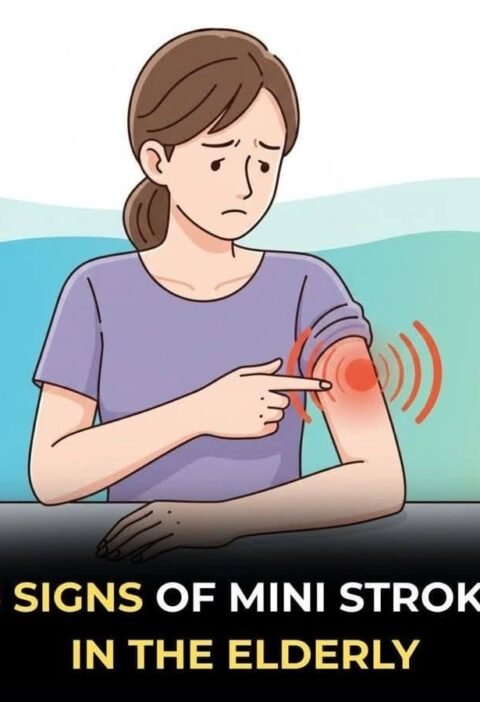
1. Transient Numbness or Weakness (TIA)
-
What it feels like: A fleeting, sudden sensation of numbness, tingling, or weakness in your face, arm, or leg—usually affecting only one side of the body.
-
Why it happens: These are often classic transient ischemic attacks (TIAs), or “mini-strokes,” where a blood clot temporarily blocks an artery before dissolving on its own. Never brush these off as a “falling asleep” sensation if they happen repeatedly.
2. Sudden, Unexplained Episodes of Confusion
-
What it feels like: Abrupt moments of mental fog, difficulty finding words, trouble understanding what people are saying, or feeling suddenly disoriented in familiar places.
-
Why it happens: Temporary reductions in blood flow to parts of the brain responsible for language and cognition can disrupt normal thought processing before fully shutting down.
3. Brief Vision Disturbances in One or Both Eyes
-
What it feels like: A sudden darkening of vision, temporary blurred vision, double vision, or a fleeting “shade” pulling down over one eye (known as amaurosis fugax).
-
Why it happens: This occurs when micro-emboli (tiny clots) temporarily block the retinal artery or the pathways in the brain processing visual input.
4. Sudden Difficulty Walking or Loss of Balance
-
What it feels like: Spells of unexplained dizziness, stumbling, feeling unsteady on your feet, or a sudden loss of coordination while walking.
-
Why it happens: Reduced blood flow to the cerebellum—the part of the brain that controls balance and motor coordination—can manifest weeks prior to a severe cerebellar stroke.
5. The “Worst Headache of Your Life”
-
What it feels like: An intensely severe, sudden-onset headache that feels entirely different from normal tension headaches or migraines, often accompanied by neck stiffness.
-
Why it happens: This can indicate a small sentinel leak from an aneurysm or pressure changes within cerebral blood vessels before a major hemorrhagic event.
6. Unexplained Fatigue and Exhaustion
-
What it feelslike: A profound, deep-seated fatigue that comes on suddenly and does not improve with sleep, making everyday tasks feel overwhelming.
-
Why it happens: When the brain is struggling to receive adequate oxygen and blood perfusion due to narrowed arteries, the body’s overall energy homeostasis is severely disrupted.
7. Sudden Slurring or Trouble Articulating Speech
-
What it feels like: Brief, sudden moments where your tongue feels heavy, your words come out garbled, or you struggle to pronounce simple words.
-
Why it happens: Even a brief disruption in blood supply to the motor speech centers (such as Broca’s area) can impair muscle control in the mouth and tongue.
8. Unexplained Nausea or Dizziness (Vertigo)
-
What it feels like: A sudden spinning sensation (vertigo) or waves of nausea that mimic food poisoning or inner-ear issues, but occur without an obvious viral cause.
-
Why it happens: Disruptions in blood circulation to the brainstem can profoundly impact the vestibular system, triggering sudden dizziness and gastrointestinal distress.
9. Personality or Mood Shifts (Anxiety and Irritation)
-
What it feels like: Sudden, uncharacteristic bouts of severe anxiety, depression, agitation, or emotional volatility without an apparent life stressor.
-
Why it happens: Micro-strokes or chronic hypoxia (low oxygen) affecting the frontal lobes can alter emotional regulation, mood stability, and impulse control.
10. Subtle Swallowing Difficulties (Dysphagia)
-
What it feels like: An occasional sensation of food getting stuck in your throat, coughing while drinking water, or mild drooling.
-
Why it happens: The cranial nerves controlling the complex muscles of the throat and swallowing can be compromised by poor neural blood flow, signaling underlying vascular vulnerability.
Why You Should Never Ignore These Signs
Many people dismiss these early symptoms as simple fatigue, aging, pinched nerves, or stress because they often come and go quickly. However, experiencing even one of these signs—especially in combination—is a critical warning.
Action is life-saving: If you or someone you know experiences a cluster of these symptoms, schedule an immediate evaluation with a physician or neurologist. Early screening (such as carotid ultrasound, blood pressure monitoring, and brain imaging) can catch vascular disease before it leads to a permanent, life-threatening stroke.