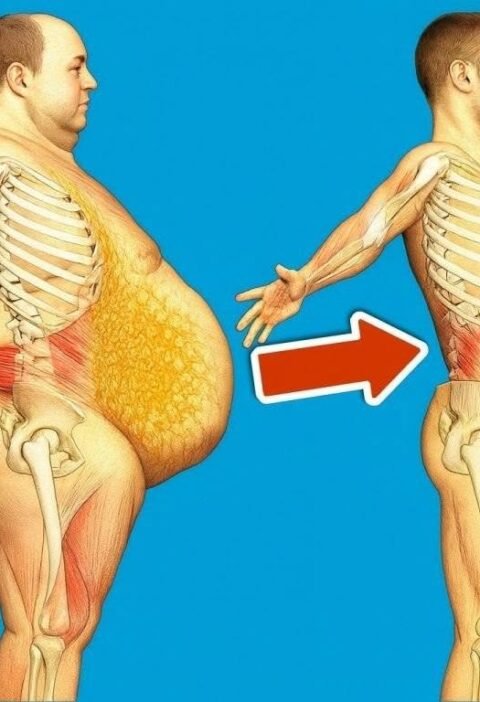
While the word sarcopenia is often associated with older adults (typically 60 and older), the physiological clock starts ticking much earlier. Muscle mass and strength begin a slow, silent decline as early as our 40s.
Left unchecked, this gradual loss can sneak up on you, impacting metabolism, balance, strength, and overall vitality. Here is a breakdown of why your body starts losing muscle after 40 and, more importantly, how you can stop and reverse it.
Why Do You Lose Muscle After 40?
Age-related muscle loss is a natural biological process, but it is accelerated by several key factors once you hit your fourth decade:
-
Anabolic Resistance: As we age, our muscles become less efficient at processing protein to build and repair tissue. You need more protein and more potent stimuli in your 40s and beyond to trigger the same muscle-building response you experienced in your 20s.
-
Hormonal Shifts:
-
For Men: Testosterone levels naturally decline by about 1% each year starting around age 30 to 40.
-
For Women: Perimenopause and menopause bring a sharp drop in estrogen, which plays a major protective role in maintaining muscle mass and bone density.
-
-
Decreased Physical Activity: Life gets busier in our 40s. Desk jobs, family commitments, and less overall daily movement mean our muscles aren’t being challenged enough to maintain their size and strength (the classic “use it or lose it” rule).
-
Chronic Low-Grade Inflammation: Aging is often accompanied by a subtle rise in systemic inflammation, which can negatively interfere with muscle protein synthesis.
How to Recover and Rebuild Muscle
The empowering news is that muscle tissue remains responsive to training and nutrition at any age. You can halt sarcopenia and actively rebuild strength with three core strategies:
1. Prioritize Resistance Training (The Stimulus)
Walking, running, and cycling are fantastic for cardiovascular health, but they do not build or preserve muscle mass. To signal your body to grow or maintain muscle, you need mechanical tension.
-
What to do: Engage in strength training 2 to 3 times a week. This doesn’t necessarily mean heavy bodybuilding; bodyweight exercises (push-ups, squats, lunges), resistance bands, or lifting dumbbells will do the job.
-
The Key: Focus on progressive overload—gradually increasing the weight, reps, or difficulty over time so your muscles continue to adapt.
2. Optimize Your Protein Intake (The Building Blocks)
Because of the anabolic resistance mentioned earlier, eating a standard, low-protein diet won’t cut it as you age. Your muscles need an adequate supply of amino acids—specifically leucine (a key branched-chain amino acid)—to trigger muscle repair.
-
What to do: Aim for roughly 25 to 40 grams of quality protein per meal, distributed evenly throughout the day rather than crammed into one large dinner.
-
Best Sources: Lean meats, fish, eggs, dairy, tofu, tempeh, beans, and high-quality protein powders (like whey or plant-based blends).
3. Ensure Adequate Recovery and Sleep
Muscle isn’t actually built while you are lifting weights; it is built and repaired while you rest.
-
What to do: Aim for 7 to 9 hours of quality sleep each night, during which your body releases growth hormone to repair tissues. Allow 48 hours of recovery between working the same muscle groups intensely