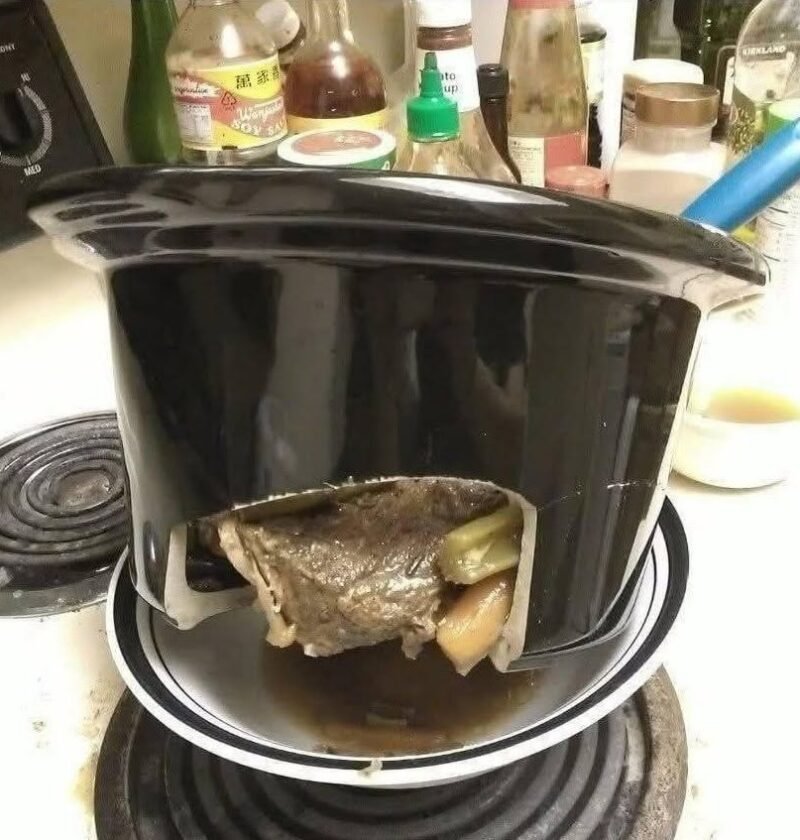
While slow cookers are fantastic for whipping up hands-off soups, stews, and tough cuts of meat, their low-and-slow, enclosed environment can completely ruin certain ingredients.
Here are 11 common foods you should avoid putting in a slow cooker—and what to do instead:
1. Lean Cuts of Meat (Like Chicken Breasts or Pork Chops)
-
Why to avoid it: Lean meats lack the intramuscular fat and connective tissue needed to withstand hours of heat. Instead of becoming melt-in-your-mouth tender, they dry out completely and turn tough and rubbery.
-
Do this instead: Stick to well-marbled, tougher cuts like chuck roast, pork shoulder, short ribs, or bone-in, skin-on chicken thighs.
2. Frozen Meat
-
Why to avoid it: Tossing a frozen roast straight into a slow cooker is a major food safety hazard. It takes far too long for the meat to pass through the “danger zone” (temperatures where bacteria multiply rapidly), which can lead to uneven cooking and foodborne illness.
-
Do this instead: Always fully thaw your meat in the refrigerator before adding it to the pot.
3. Seafood (Fish and Shellfish)
-
Why to avoid it: Delicate seafood cooks in just a few minutes. Subjecting shrimp, scallops, or white fish to hours of slow cooking will turn them into rubbery, dry, or disintegrating flakes.
-
Do this instead: If you want to make a seafood chowder or stew, cook the base in the slow cooker first, then gently stir in the seafood during the last 5 to 10 minutes.
4. Dairy Products (Milk, Cream, and Yogurt)
-
Why to avoid it: Prolonged heat causes dairy to curdle, separate, and break down into a grainy, watery mess with an unappealing texture.
-
Do this instead: Stir in milk, cream, sour cream, or yogurt during the final 15 to 30 minutes of cooking, or switch the cooker to “warm” just before serving.
5. Pasta
-
Why to avoid it: Uncooked pasta absorbs liquid rapidly and cooks unevenly in a slow cooker, resulting in a mushy, gluey, or waterlogged texture.
-
Do this instead: Boil your pasta separately on the stovetop until al dente, then stir it into your slow-cooker dish just before serving.
6. Rice and Grains
-
Why to avoid it: Like pasta, rice releases a massive amount of starch over a long cooking period, turning into a sticky paste rather than fluffy grains.
-
Do this instead: Cook rice or grains separately on the stovetop or in a rice cooker, or use a specific slow-cooker recipe designed strictly for grains (like certain rice porridges).
7. Delicate Vegetables (Spinach, Zucchini, Asparagus, and Peas)
-
Why to avoid it: While root vegetables (like carrots and potatoes) love the slow cooker, delicate greens and soft vegetables get completely obliterated, turning into a mushy, faded-looking pulp.
-
Do this instead: Toss soft vegetables or fresh greens into the pot during the last 15 to 30 minutes so they stay vibrant and retain some bite.
8. Fresh Herbs (Basil, Cilantro, and Parsley)
-
Why to avoid it: Delicate, leafy fresh herbs lose their volatile oils, color, and bright flavor over hours of heat, often leaving behind a flat or bitter taste.
-
Do this instead: Use hardy, woody herbs (like rosemary or thyme sprigs) sparingly during the cook, but save your soft fresh herbs to chop and sprinkle on top right as you serve.
9. Unsoaked Dry Beans (Especially Kidney Beans)
-
Why to avoid it: Raw or undercooked dry beans—particularly kidney beans—contain a natural toxin called lectin, which can cause severe digestive distress and poisoning. Because slow cookers do not reach a high enough rolling boil to destroy this toxin, they can actually leave the beans at a temperature that activates the poison.
-
Do this instead: Always soak dry beans overnight, drain them, and boil them briskly on the stovetop for at least 10 minutes before transferring them to a slow cooker.
10. Raw Alcohol (Wine and Beer)
-
Why to avoid it: Unlike stovetop cooking where alcohol rapidly evaporates off at a rolling boil, the low, enclosed environment of a slow cooker traps alcohol. Instead of mellowing out, it leaves behind an acrid, harsh, unpleasantly boozy flavor.
-
Do this instead: Simmer wine or beer in a separate pan on the stove for 5 to 10 minutes to reduce it and cook off the harsh alcohol taste before pouring it into your slow cooker.
11. Meat with Skin On (Poultry or Pork Skin)
-
Why to avoid it: Crispy skin requires dry, high-heat environments (like roasting or frying). The moisture-trapping environment of a slow cooker turns poultry or pork skin limp, rubbery, flabby, and unappetizing.
-
Do this instead: Strip the skin off before putting the meat in the slow cooker. If you love crispy skin, sear the meat in a skillet or pop it under the oven broiler for a few minutes after it comes out of the slow cooker