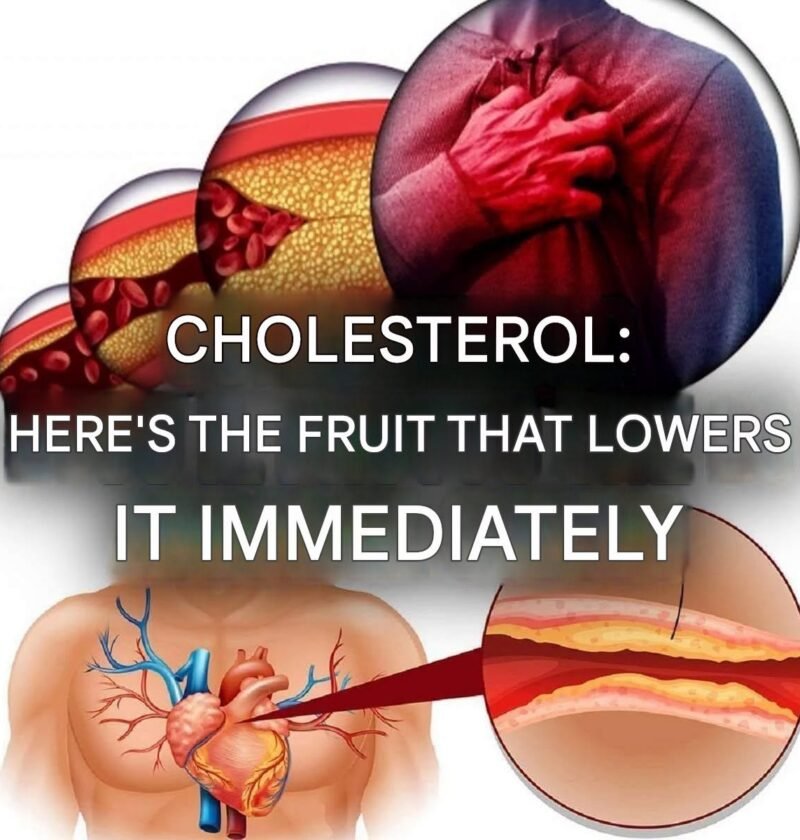
The fruit that may help control blood pressure and lower cholesterol
Some fruits contain nutrients, fiber, antioxidants, and plant compounds that can support heart health. However, headlines claiming that one fruit can control blood pressure, lower cholesterol, and treat many other conditions often exaggerate the scientific evidence.
The important questions are which fruit is being discussed, what benefits have actually been demonstrated, and how much should you eat to benefit from it?
Which fruit could it be?
One strong possibility is guava, a nutritious fruit widely available in Pakistan. Research has investigated its potential benefits for blood pressure and cholesterol. Other possible candidates include pomegranate and plums.
1. Guava
Rich in fiber, vitamin C and potassium. Small clinical studies have reported improvements in blood pressure and blood lipid levels.
2. Pomegranate
Contains polyphenol antioxidants. Some studies suggest its juice may modestly lower systolic blood pressure, although results vary.
3. Plums
Provide fiber and antioxidants that may support cardiovascular health. More research is needed to establish their specific effects.
What are the potential health benefits?
-
Blood pressure: Potassium helps regulate blood pressure, particularly as part of a diet that limits excess sodium.
-
Cholesterol: Soluble fiber can help reduce the absorption of cholesterol in the digestive tract.
-
Heart health: Antioxidants may help protect cells and blood vessels from oxidative damage.
-
Digestion: Dietary fiber supports regular bowel movements and a healthy digestive system.
-
Immune function: Vitamin C supports normal immune function, especially in fruits such as guava.
These are nutritional benefits, not proof that a fruit can cure hypertension or high cholesterol. Continue prescribed medication and follow your clinician’s advice.
Can you share the second part of the article (2/2), or tell me where you saw this headline? I can help identify the exact fruit and explain its claimed benefits, recommended serving, possible side effects, and what the scientific evidence actually shows.