Weak or Brittle Nails: What Your Body Is Trying to Tell You
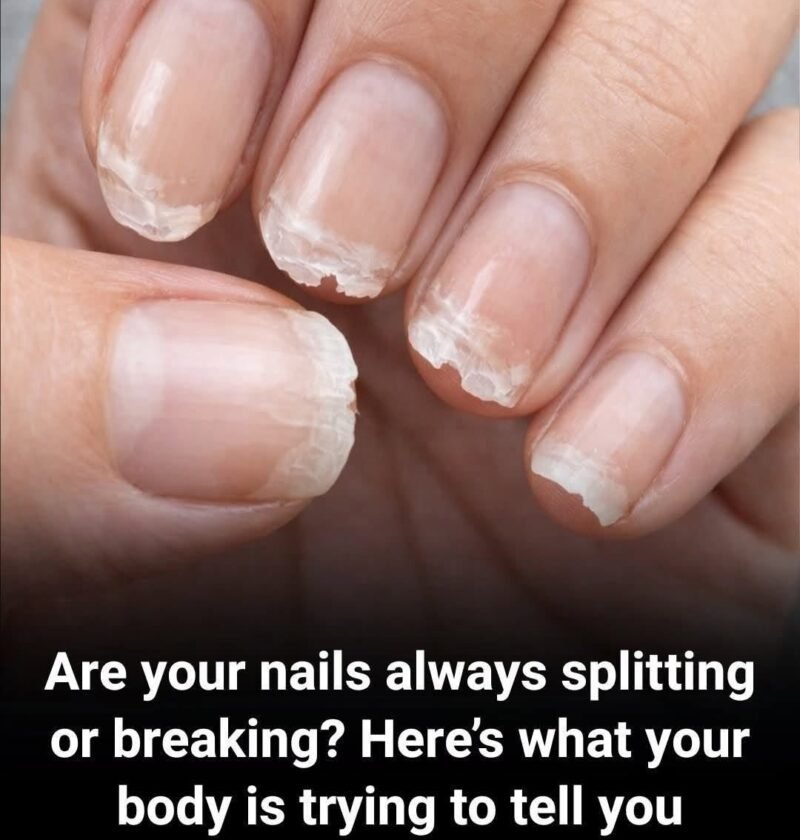
Your nails can sometimes offer clues about your overall health. Nails that split, peel, crack, or break easily may reflect everyday wear and tear, frequent exposure to water, nutritional deficiencies, or an underlying medical condition.
But here’s something important: brittle nails do not automatically mean you have a vitamin deficiency or a serious health problem. The pattern of nail changes, your other symptoms, and how long the problem has lasted all help determine the likely cause.
What do weak or brittle nails look like?
Fine cracks or grooves run from the cuticle toward the nail tip. These may develop with aging, repeated minor trauma, or chronic nail dryness.
The nail tip separates into thin layers, often after frequent handwashing, detergent exposure, or repeated wetting and drying.
Nails crack or snap during ordinary activities, sometimes because of repeated trauma, dryness, or an underlying nail disorder.
Fine lengthwise ridges are common and often harmless, especially with age. New, pronounced, or unusual changes deserve closer attention.
7 possible causes of weak or brittle nails
Repeated wetting and drying, detergents, cleaning products, and nail-polish removers can damage the nail’s protective structure. This is one of the most common explanations for brittle nails.
Iron deficiency can cause thin, fragile nails. In some cases, nails become spoon-shaped, with the center dipping inward. Fatigue, pale skin, breathlessness, or dizziness may provide additional clues.
Nails are made largely of keratin, a structural protein. A severely restricted diet or inadequate protein and nutrient intake may impair normal nail growth. Brittle nails alone, however, cannot identify a particular deficiency.
An underactive or overactive thyroid can affect nail growth, thickness, and attachment. Other clues may include changes in weight, temperature tolerance, energy levels, or heart rate.
Nails can become more brittle with age. Frequent manicures, gel polish, acrylic nails, and aggressive filing can also weaken them.
Thickened, yellow, crumbly nails may indicate a fungal infection. Nail psoriasis can cause pitting, separation from the nail bed, and crumbling. These conditions need different treatments, so accurate diagnosis matters.
Some medicines, especially particular chemotherapy treatments, can alter nail growth. Chronic illness and severe nutritional problems can also change nail appearance. A new nail change after starting medication deserves a review with your clinician.
Should you take biotin for brittle nails?
Biotin, also called vitamin B7, is frequently marketed for stronger nails. However, evidence that biotin supplements improve brittle nails in otherwise well-nourished people is limited. Small studies have suggested potential benefits, but robust clinical trials are lacking.
Before taking a high-dose supplement, consider the following:
-
Correct a confirmed nutritional deficiency rather than taking supplements indiscriminately.
-
Ask your clinician whether iron testing or other investigations are appropriate.
-
Tell your healthcare team if you take biotin, because it can interfere with certain laboratory tests, including some thyroid and heart-related tests.FDA+1
6 ways to help strengthen your nails
Apply a thick hand cream or petroleum jelly to your nails and cuticles, especially after washing your hands and before bed.
Use waterproof gloves when washing dishes, cleaning, or handling detergents.
Trim them regularly and gently file rough edges in one direction.
Include protein sources such as eggs, fish, dairy, beans, or lentils, alongside vegetables, fruits, and other nutrient-rich foods.
Reduce gel manicures, acrylics, harsh removers, and aggressive buffing while your nails recover.
Fingernails typically take around four to six months to grow out completely. Improvement is gradual, not immediate.
When should you see a doctor?
Arrange an assessment if brittle nails persist despite careful nail care, worsen unexpectedly, or occur alongside fatigue, hair loss, unexplained weight changes, or other new symptoms.
Seek prompt evaluation for:
-
A new or changing dark stripe on one nail.
-
A nail that lifts away from its nail bed without an obvious explanation.
-
Persistent redness, swelling, or pain around a nail.
-
Significant changes in nail shape or color affecting several nails.
These changes do not necessarily indicate serious disease, but some require treatment or further investigation.
The bottom line
Weak or brittle nails most often reflect aging, repeated moisture exposure, chemical damage, or minor trauma. Sometimes they provide a clue to iron deficiency, thyroid disease, or another health problem. Their appearance alone cannot confirm a diagnosis, and supplements are not a universal solution.
One useful question to narrow down the cause: What is happening to your nails?
2. How long has this been happening?
3. Do you have any other symptoms?
Help me narrow down the cause