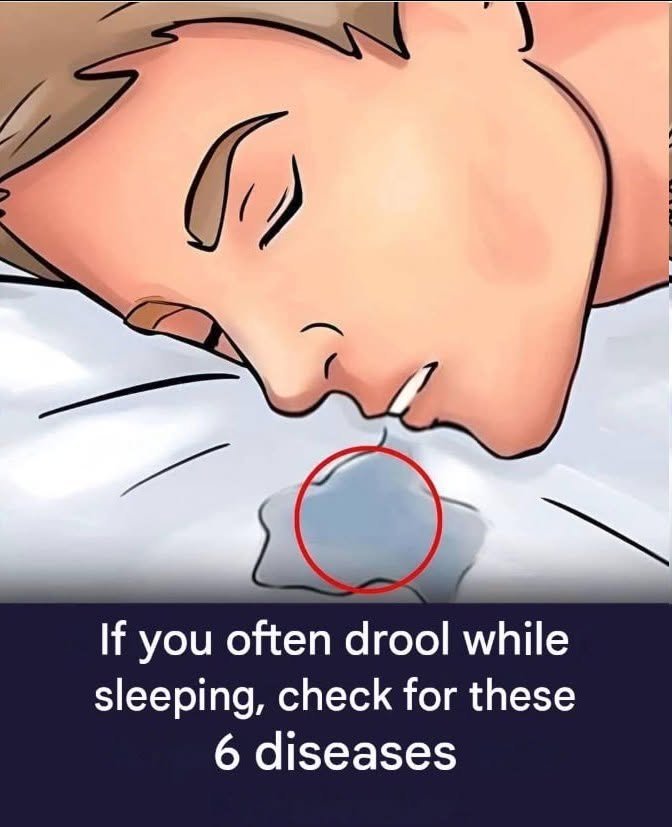
If you mean drooling during sleep, it’s usually because saliva production continues while the muscles that normally keep saliva in your mouth relax.
Common reasons you may drool at night
-
Sleeping on your side or stomach — saliva can escape more easily.
-
Mouth breathing — often caused by nasal congestion, allergies, a cold, or a blocked nose.
-
Nasal problems — such as a deviated septum or chronic congestion.
-
Acid reflux — can sometimes increase saliva production.
-
Sleep apnea — especially if you also snore loudly, gasp, or wake feeling unrefreshed.
-
Certain medications can increase saliva production or affect swallowing.
-
Neurological conditions can occasionally cause excessive drooling, particularly when accompanied by difficulty swallowing or other neurological symptoms.
Occasional drooling is generally nothing to worry about. If it suddenly becomes frequent or excessive, or you have difficulty swallowing, choking, facial weakness, or changes in speech, seek medical evaluation.
A simple first step is to address nasal congestion and try sleeping with your head slightly elevated.