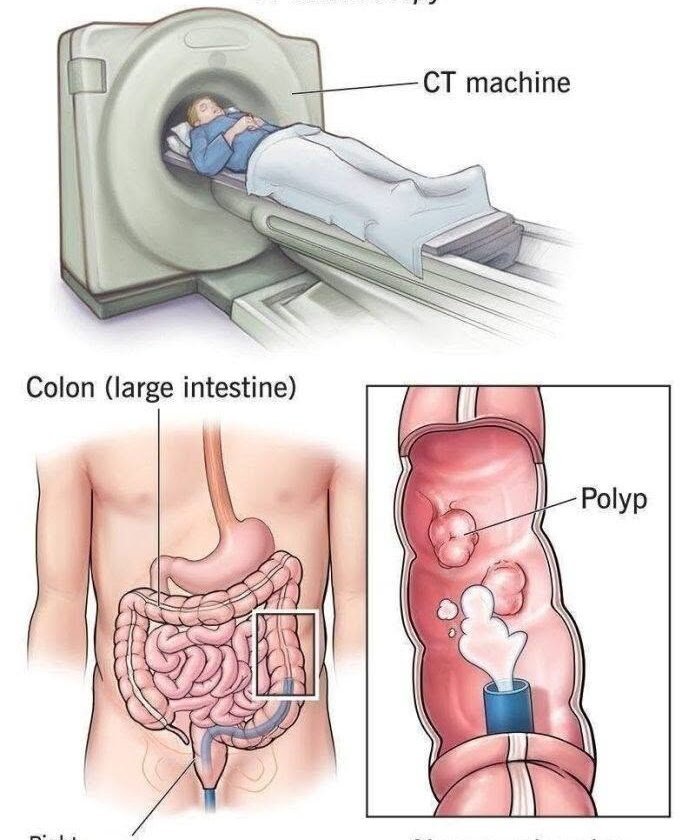
What does “colonoscopy will no longer be invasive” mean?
The headline is referring mainly to colon capsule endoscopy (CCE)—a newer approach in which you swallow a small capsule containing cameras instead of having a flexible colonoscope inserted through the rectum. The capsule travels naturally through the digestive tract and takes images of the colon.
How it works
-
Bowel preparation: You still generally have to take laxatives and follow a bowel-cleansing diet, much like conventional colonoscopy.
-
Swallow the capsule: The capsule is roughly pill-sized and contains cameras, lights, a battery and a transmitter.
-
Images are recorded: As it moves through the intestine, it takes thousands of images and sends them to a recorder worn by the patient.
-
The capsule passes naturally: It is eventually eliminated in the stool.
-
AI can assist: New research is using artificial intelligence to identify polyps and suspicious areas in the large amount of capsule imagery. A 2026 meta-analysis reported pooled sensitivity of about 93% and specificity of about 95% for AI-assisted detection of colorectal polyps, although the studies had substantial variability.
How good is it?
A 2026 systematic review of 12 prospective studies involving 4,316 patients found that second-generation colon capsule endoscopy had:
-
89% sensitivity / 94% specificity for polyps ≥6 mm
-
91% sensitivity / 98% specificity for polyps ≥10 mm
The researchers concluded that it has potential as a non-invasive alternative, but emphasized that more evidence is needed