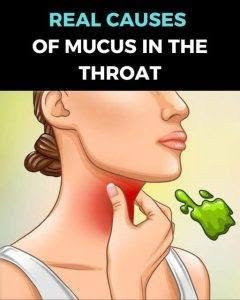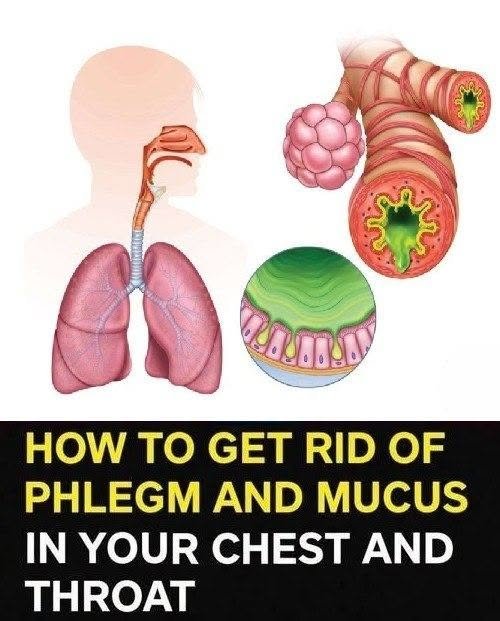
If you have phlegm/mucus in your chest and throat, especially with a cold or mild chest infection, it usually improves as the underlying illness clears. You can help loosen it naturally with these measures:
🌿 Things that can help
-
Drink plenty of water — fluids thin mucus and make it easier to cough up. Warm drinks such as tea, broth, or warm water can be soothing. nhs.uk+1
-
Honey in warm water or tea — 1–2 teaspoons can soothe an irritated throat and may reduce coughing. Never give honey to a child under 1 year. nhs.uk+1
-
Gargle warm salt water — mix about ½ teaspoon salt in a glass of warm water, gargle, then spit it out. This can soothe throat irritation. nhs.uk+1
-
Use humidified air — a clean cool-mist humidifier or a warm, steamy shower can help with thick mucus and congestion. Avoid putting your face over a bowl of boiling water because of burn risk. Mayo Clinic+1
-
Sleep with your head elevated — extra pillows can make breathing more comfortable and help mucus drain. nhs.uk
-
Keep coughing gently — coughing is one of the body’s mechanisms for clearing mucus from the airways, so you don’t necessarily want to suppress a productive cough. MedlinePlus
-
Avoid smoking and secondhand smoke, which can worsen coughing and mucus production. Mayo Clinic+1
-
If the mucus seems to be coming from your nose/sinuses, a saline nasal spray or rinse may reduce post-nasal drip into the throat. Mayo Clinic+1
A simple routine
Morning: warm water/tea + honey → saline nasal rinse if congested → gentle coughing to clear mucus.
During the day: drink fluids regularly and avoid smoke.
Night: warm drink + steamy shower/humidified air → sleep slightly elevated.
There isn’t good evidence that particular herbal mixtures, ginger, turmeric, or other “detox” remedies actually remove chest mucus; they may be comforting, but don’t rely on them to treat an infection. Mayo Clinic
🚨 When to get medical help
Seek urgent medical care if you have difficulty breathing, significant chest pain/pressure, or cough up blood. Mayo Clinic+1
See a clinician if the cough lasts more than about 3 weeks, symptoms are getting worse rather than better, or you have persistent fever or significant wheezing/shortness of breath. nhs.uk+1
If you tell me your age, how many days you’ve had the mucus, its color (clear/white/yellow/green), and whether you have fever, cough, wheezing, or chest pain, I can help you narrow down what may be causing it and what to do next.